


Air travel connects people and places through fast, efficient transportation across cities and countries. This guide explains what plane travel is, how it works, types of flights, benefits, safety tips, airport processes, and practical advice for smarter, stress-free flying.
Air travel is one of the fastest and most convenient ways to move from one place to another. It uses aircraft such as aeroplanes, jets, and helicopters to transport passengers or cargo across cities, countries, and continents. For many people, plane travel has made the world feel smaller by connecting places that once took days or even weeks to reach.
Today, millions of passengers use plane travel every day for business, tourism, education, family visits, and emergencies. It has become a normal part of modern life, yet many people still want to understand what air travel really means, how it works, and why it is so important.
What Is Air Travel?
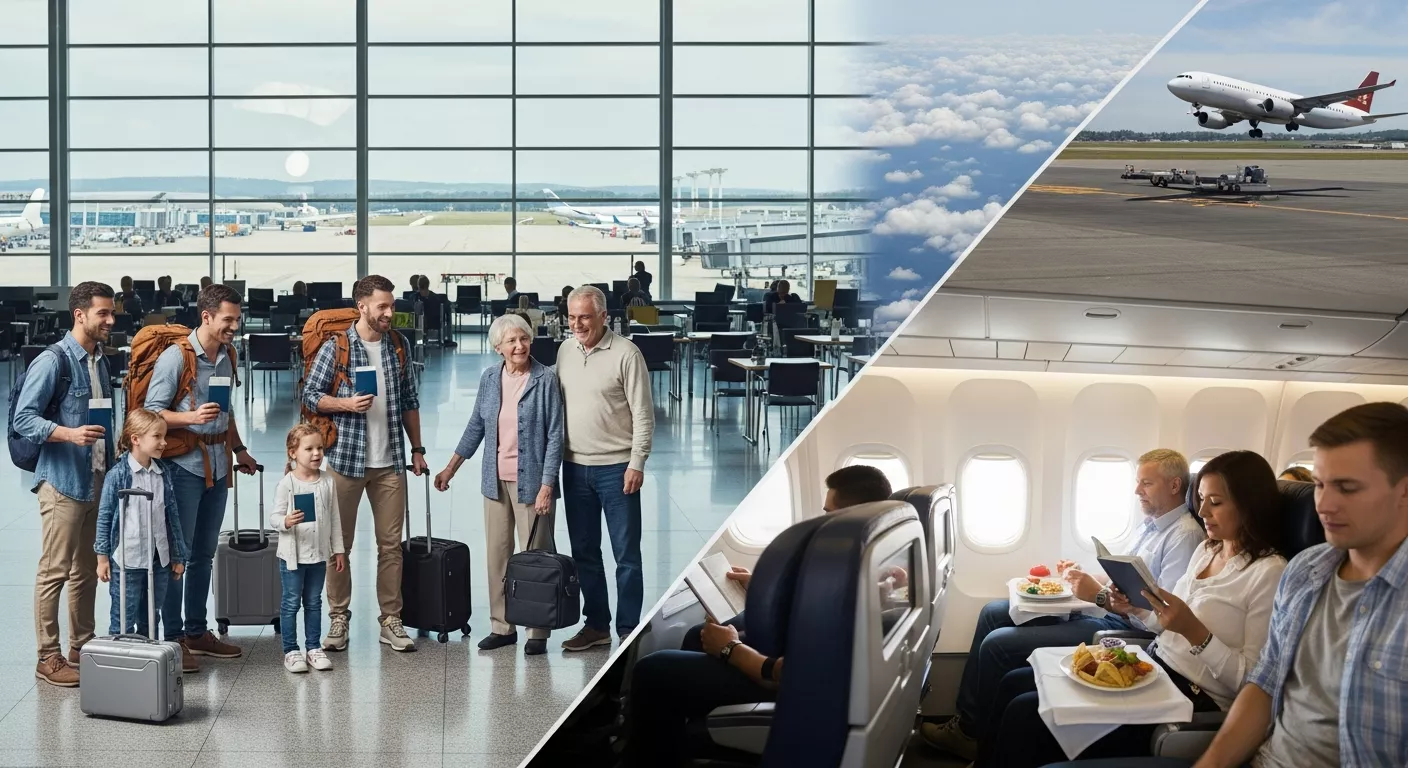
Air travel means travelling through the air using an aircraft. It includes any journey taken by plane, helicopter, or other flying vehicle. Most people think of commercial aeroplanes when they hear the term, but plane travel can also include private jets, charter flights, cargo aircraft, and helicopters.
When someone books a flight from one city to another, they are using plane travel. It may be a short domestic trip within the same country or a long international flight across the world. Air travel can carry passengers, goods, medical supplies, mail, and many other items.
The main purpose of air travel is speed. Compared to road, rail, or sea transport, flying is usually much faster. A journey that would take several days by car or ship can often be completed in a few hours by plane.
Why Air Travel Matters
Air travel has changed the way people live, work, and connect. Before aircraft became common, traveling long distances was slow and difficult. Today, people can attend meetings in other countries, visit family overseas, and explore new destinations more easily.
Air travel matters because it:
- Saves time on long-distance journeys
- Connects countries and cultures
- Supports business and trade
- Helps tourism grow
- Makes emergency transport possible
- Moves important goods quickly
It is not just about holidays and vacations. Air travel plays a major role in the global economy, healthcare, education, and international communication.
A Short History of Air Travel
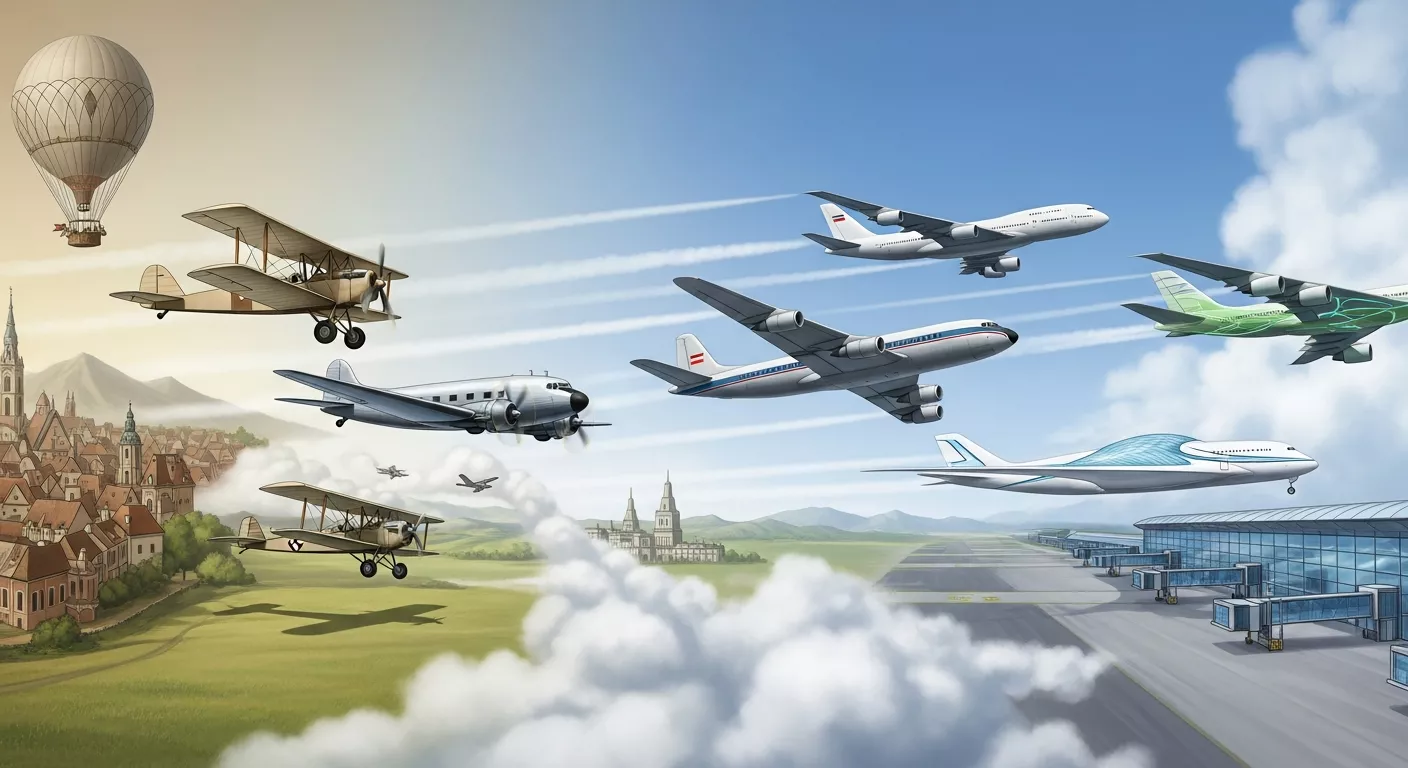
The idea of flying has fascinated people for centuries. Long before modern airplanes existed, humans dreamed of being able to soar through the sky like birds. The first successful powered flight happened in the early 1900s, when the Wright brothers demonstrated that controlled flight was possible.
After that, aircraft improved quickly. At first, planes were small and mainly used for military purposes. Over time, they became larger, safer, and more efficient. Commercial travel began to grow during the 20th century, especially after World War II.
As technology improved, flying became more affordable and accessible. Airports expanded, aircraft became more reliable, and airline networks spread around the world. Today, travel is a normal part of transportation for millions of people.
Types of Air Travel
Air travel comes in several forms, and each one serves a different purpose.
1. Commercial Air Travel
This is the most common type of air travel. Commercial airlines carry passengers on scheduled flights. These flights may be domestic or international and are usually available to the general public.
2. Domestic Air Travel
Domestic travel means flying within the same country. For example, traveling from one city to another inside the same nation by plane is domestic travel.
3. International Air Travel
International travel means flying between different countries. These flights often involve passports, visas, customs checks, and longer travel times.
4. Private Air Travel
Private travel uses private jets or chartered aircraft. It is usually more expensive but offers more privacy, flexibility, and convenience.
5. Cargo Air Travel
Cargo flights transport goods instead of passengers. These aircraft carry packages, machinery, food, medical supplies, and other commercial goods.
6. Helicopter Travel
Helicopters are often used for short-distance trips, emergency rescue, tourism, or business transport. They can land in areas where regular aircraft cannot.
How Air Travel Works
Air travel may seem simple to the passenger, but many things happen behind the scenes. A flight begins long before takeoff and continues until the aircraft lands safely at the destination.
Here is a basic step-by-step explanation:
1. Booking the Flight
The journey starts when a traveler books a ticket through an airline, travel website, or booking app. The passenger chooses the route, date, time, and seat if available.
2. Checking In
Before the flight, the passenger checks in online or at the airport. Check-in confirms that the traveler is ready to board the plane. At this stage, the airline may also issue a boarding pass.
3. Security Screening
At the airport, passengers go through security checks. Bags and personal items are screened to make sure nothing dangerous is carried onboard.
4. Boarding the Plane
When boarding begins, passengers enter the aircraft and find their seats. Crew members help with luggage and final preparations.
5. Takeoff
The aircraft moves down the runway and lifts into the air. This is one of the most exciting parts of the journey for many travelers.
6. Flight
During the flight, the plane follows a set route controlled by pilots and air traffic systems. Cabin crew help passengers, provide food or drinks on longer flights, and ensure safety.
7. Landing
The aircraft descends and lands at the destination airport. Passengers then collect their luggage and continue to immigration, customs, or transport.
What Happens at the Airport?
Airports are the central hubs of air travel. They are designed to support passenger movement, baggage handling, aircraft operations, security, and logistics.
A typical airport experience includes:
- Arrival at the terminal
- Check-in
- Security screening
- Boarding gate waiting
- Boarding the aircraft
- Baggage claim after landing
Large airports may also include restaurants, lounges, shopping areas, lounges for premium passengers, customs offices, and transit zones for connecting flights.
Airports can be busy and confusing for first-time travelers, so knowing the process in advance makes the experience much easier.
Benefits of Air Travel
Air travel offers many advantages that make it one of the most popular forms of transportation.
Speed
The biggest advantage is speed. Airplanes can cover long distances much faster than cars, trains, or ships.
Convenience
Flights connect many cities and countries that would otherwise be difficult to reach.
Global Connectivity
Air travel supports tourism, education, international business, and family connections.
Comfort
Many flights today offer more comfort than older aircraft, including better seating, entertainment, and services.
Emergency Use
Air travel is essential in medical evacuations, disaster relief, and urgent cargo transport.
Economic Value
Airlines and airports create jobs and support tourism, trade, and business growth.
Challenges of Air Travel
Although travel is highly useful, it also has some challenges.
Cost
Flights can be expensive, especially during peak seasons, holidays, or for last-minute bookings.
Delays
Weather, technical issues, air traffic congestion, or operational problems can lead to delays.
Security Rules
Airports have strict security rules that can feel stressful or time-consuming.
Baggage Limits
Airlines often have rules about baggage size, weight, and carry-on items.
Fatigue
Long flights and time zone changes can make travelers tired.
Environmental Impact
Air travel contributes to greenhouse gas emissions, which is a concern for environmental sustainability.
Safety in Air Travel
Many people wonder whether flying is safe. In general, plane travel is considered one of the safest forms of transportation. Airlines follow strict safety rules, aircraft are carefully maintained, and pilots undergo extensive training.
Safety in plane travel depends on:
- Aircraft maintenance
- Pilot training
- Air traffic control
- Weather conditions
- Airport procedures
- Passenger cooperation
Passengers also play a role in safety by following instructions, fastening seatbelts, and respecting crew guidance.
Common Air Travel Terms
If you are new to flying, it helps to understand some common terms.
Boarding Pass
A boarding pass is the document that allows you to enter the plane.
Layover
A layover is a stop between two flights on the same journey.
Nonstop Flight
A nonstop flight goes directly from departure to destination without stopping.
Connecting Flight
A connecting flight requires passengers to change planes at another airport.
Cabin Baggage
This is luggage you carry with you inside the aircraft.
Checked Baggage
This is luggage stored in the aircraft’s cargo area.
Departure Gate
This is the location in the airport where passengers board the plane.
Air Traffic Control
These are professionals who manage the movement of aircraft in the sky and on the ground.
Tips for First-Time Air Travelers
If it is your first time flying, a few simple tips can make the experience much easier.
- Arrive at the airport early
- Keep travel documents ready
- Check baggage rules before leaving home
- Pack only what you need
- Follow airport signs carefully
- Listen to cabin crew instructions
- Keep essential items in your carry-on
- Stay calm if your flight is delayed
First-time travelers often feel nervous, but preparation reduces stress.
How to Pack for Air Travel
Packing for travel depends on the length of the trip, destination, weather, and airline rules.
A smart packing list may include:
- Passport or ID
- Tickets and booking details
- Clothing
- Toiletries
- Chargers and electronics
- Medications
- Travel documents
- Snacks
- Personal items
It is important not to overpack. Heavy or unnecessary luggage can make travel harder and may lead to extra fees.
Domestic vs International Air Travel
Domestic and international travel are similar in many ways, but there are some important differences.
Domestic Air Travel
- Usually within one country
- Often quicker to check in
- Fewer immigration procedures
- May require only a national ID or local travel document
International Air Travel
- Between different countries
- Requires passport
- May require a visa
- Includes customs and immigration checks
- Often involves more planning
International trips usually need more preparation than domestic flights, especially when it comes to documentation and entry requirements.
The Role of Airlines
Airlines are companies that operate flights and provide travel services to passengers and cargo customers. They manage aircraft, schedules, ticket sales, crew, and customer service.
There are different kinds of airlines:
- Full-service airlines
- Low-cost airlines
- Regional airlines
- Charter airlines
Some airlines focus on comfort and extra services, while others focus on lower prices. Travelers usually choose based on budget, destination, luggage needs, and service preferences.
The Future of Air Travel
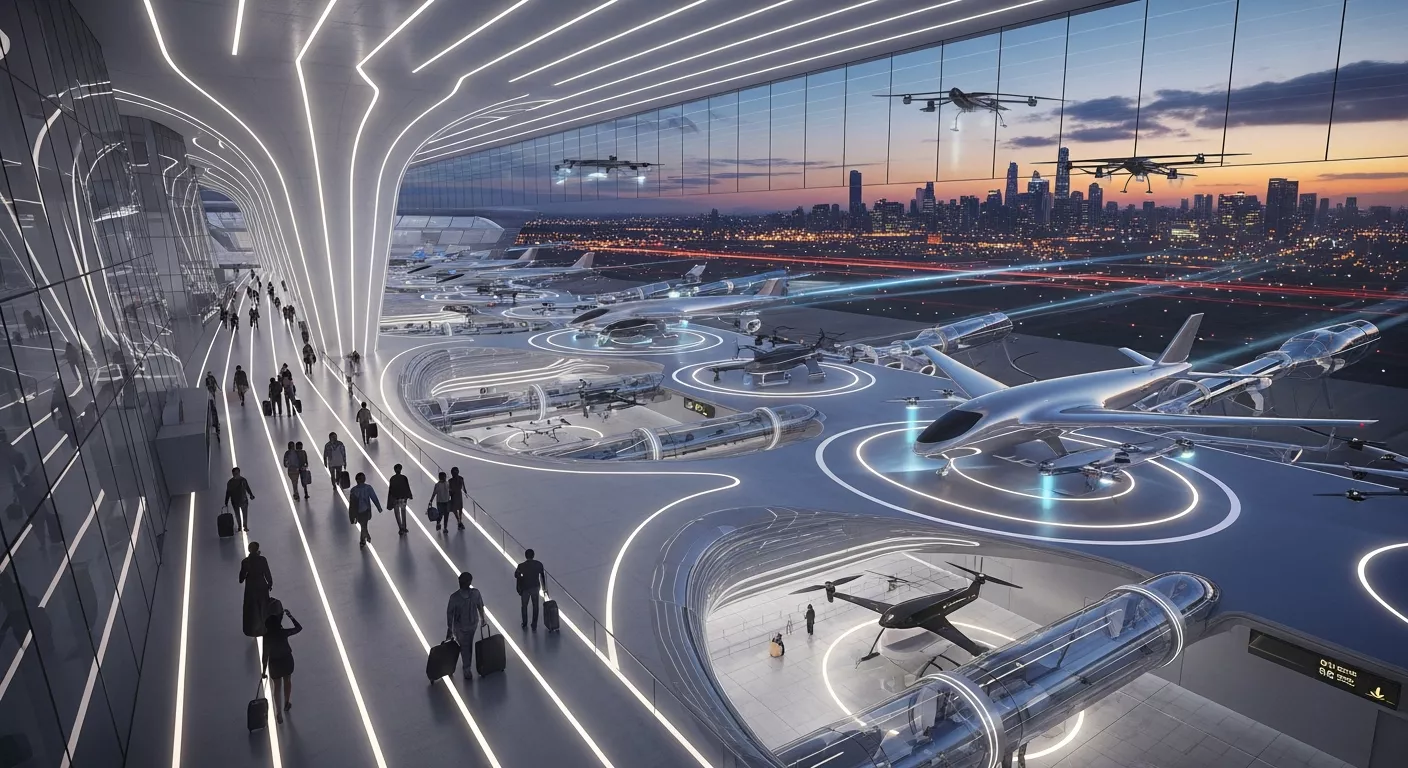
Air travel continues to evolve. New technology is shaping the future of flying in many ways.
Some likely future trends include:
- More fuel-efficient aircraft
- Improved digital booking systems
- Faster airport security processes
- Better passenger tracking and mobile check-in
- More sustainable aviation solutions
- Increased use of artificial intelligence in travel planning
The future may also include better in-flight entertainment, more comfortable seating, and stronger environmental innovations.
Conclusion
Air travel is a fast, efficient, and essential way to move across distances. It connects people, supports global business, helps tourism grow, and makes the world more accessible. Whether you are traveling for work, study, family, or leisure, flying is often the best option when time matters.
Understanding what travel is, how it works, and what to expect can make the experience easier and less stressful. From booking and check-in to boarding, flying, and landing, every part of the process becomes smoother when you are prepared.
For first-time travelers and frequent flyers alike, travel remains one of the most important inventions in modern transportation. It continues to shape the way people live, work, and explore the world.
FAQs
1. What is air travel in simple words?
Travel means traveling from one place to another using aircraft such as airplanes, jets, or helicopters. It can be domestic or international and is used for tourism, business, education, emergencies, and cargo transportation.
2. Why is air travel important?
Air travel is important because it saves time, connects countries, supports trade, boosts tourism, enables emergency transport, and makes global travel much easier compared to road or sea transport.
3. What are the main types of air travel?
The main types include commercial flights, domestic flights, international travel, private aviation, cargo flights, and helicopter travel. Each serves different travel or transport purposes.
4. How does air travel work step by step?
Air travel usually involves booking a flight, checking in, airport security screening, boarding the plane, takeoff, flying the route, landing, and collecting baggage before leaving the airport.
5. Is air travel safe?
Yes, air travel is considered one of the safest transportation methods. Airlines follow strict safety regulations, aircraft receive regular maintenance, and pilots undergo extensive training.
6. What is the difference between domestic and international air travel?
Domestic air travel happens within one country, while international air travel involves traveling between countries and usually includes passports, visas, customs, and immigration procedures.
7. What should first-time flyers know before traveling?
First-time travelers should arrive early, understand baggage rules, carry important documents, follow airport signs, keep essentials in carry-on luggage, and listen carefully to airline staff instructions.
8. What are the biggest benefits of air travel?
Major benefits include speed, convenience, global connectivity, comfort, emergency support, and economic value. Flying makes long-distance travel practical and efficient.
9. What challenges can travelers face with air travel?
Common challenges include delays, ticket costs, baggage restrictions, security procedures, jet lag, and occasional flight disruptions due to weather or operational issues.
10. What is the future of air travel?
The future of air travel includes greener aircraft, smarter airports, faster security processes, AI-powered travel planning, sustainable aviation, and improved passenger experiences.
