



Jet lag arises when rapid travel across multiple time zones misaligns our internal clock with the local schedule. In today’s world of global business, tourism, and remote collaboration, travelers frequently face the challenge of adjusting to a new time standard within hours. Currently, professionals, vacationers, and long-haul fliers alike must navigate the fog of disrupted sleep, impaired focus, and digestive irregularities as they cross five or more time zones in a single journey. In today’s digital landscape, staying alert and productive can hinge on mastering simple yet powerful techniques to realign your body’s natural rhythms.
This year (2026), research from leading authorities like NASA and the Centers for Disease Control and Prevention has advanced our understanding of the physiological triggers behind jet lag and refined best practices for minimizing its impact. Whether you’re flying eastward, which often proves more challenging, or heading west, these evidence-based strategies will help you prepare before departure, optimize conditions during flight, and adapt swiftly upon arrival. By combining pre-flight sleep adjustments, targeted light exposure, strategic hydration, and post-landing routines, you can shorten recovery time, preserve energy, and make the most of every moment at your destination. Read on to discover a comprehensive plan designed to keep your body clock in sync, so you can disembark feeling refreshed rather than fatigued.
What Causes Jet Lag and How Circadian Rhythms Work

The human body operates on an internal timing system known as the circadian rhythm, which regulates sleep-wake cycles, hormone secretion, metabolism, and core temperature. This roughly 24-hour cycle relies heavily on environmental cues—referred to as zeitgebers—such as light, meal times, and social interactions. When you traverse multiple time zones in a matter of hours, these cues fall out of alignment with your internal clock, leading to symptoms collectively known as jet lag.
Institutions like NASA have conducted extensive studies on circadian disruption, confirming that light exposure is the most potent factor for resetting our biological clocks. Morning light advances the cycle, moving it earlier, while evening illumination delays it, pushing the phase later. Eastbound travel typically demands a phase advance, since local mornings occur sooner than expected, whereas westward journeys require a phase delay to accommodate extended evenings.
Symptom severity depends on the number of time zones crossed, direction of travel, and individual susceptibility. Common experiences include daytime sleepiness, nighttime restlessness, reduced cognitive performance, and gastrointestinal distress such as bloating or irregular bowel movements. According to the Centers for Disease Control and Prevention, crossing three or more time zones significantly heightens symptom intensity and lengthens adjustment periods, especially for those with preexisting sleep disorders.
Additional factors like age, habitual sleep patterns, and stress levels further influence recovery speed. Younger travelers often adjust more rapidly, while older adults and those with inconsistent sleep hygiene may experience prolonged discomfort. Cabin conditions—low humidity, reduced air pressure, and cramped seating—can exacerbate dehydration and circulation issues, intensifying fatigue and restlessness. Recognizing these variables allows you to tailor a personalized approach that addresses your unique profile.
Beyond light therapy and timed sleep shifts, aligning meal schedules with local breakfast, lunch, and dinner times serves as a secondary zeitgeber for the digestive system. Social engagement—participating in local routines, communal dining, and scheduled activities—adds behavioral cues that reinforce your body’s synchronization with the new time zone. Understanding these underlying mechanisms sets the stage for targeted tactics that you can implement before takeoff, during flight, and after landing to conquer jet lag efficiently.
Preparing Your Body Before You Depart
Effective jet lag prevention begins several days before you board the plane. Gradual sleep schedule adjustments are crucial: if you’re flying east, shift your bedtime and wake-up time 30 to 60 minutes earlier each night for two to three days prior; for westward trips, delay your sleep window by the same increment. This incremental shift primes your circadian rhythm to better match your destination’s local time, reducing the shock upon arrival.
Pre-flight nutrition and hydration also play pivotal roles in readiness. In the 12 hours before departure, avoid heavy, fatty meals that tax digestion, as well as stimulants like excessive caffeine and alcohol that can disrupt sleep quality. Instead, opt for balanced dishes rich in lean protein, complex carbohydrates, and healthy fats—think grilled fish or chicken, whole grains, and fresh vegetables. Drink plenty of water or an electrolyte solution to maintain optimal hydration, since cabin air tends to be dry and can accelerate fluid loss.
When booking flights, select itineraries that land in the early evening local time whenever possible. Arriving at dusk allows you to stay awake until a normal bedtime, facilitating a natural transition into the local sleeping schedule. Direct flights minimize total travel duration and reduce the number of sleep-wake transitions. If layovers are unavoidable, coordinate connecting flights to coincide with your target time zone’s daytime hours, avoiding extended waits during local night hours in crowded terminals.
Pre-departure light management can be achieved with specialized tools such as portable light therapy lamps or glasses that emit controlled wavelengths. Use bright-light exposure sessions in the morning or evening at home to begin shifting your clock. Conversely, wear blue-light-blocking glasses or dim household lighting to avoid unwanted phase shifts. These measures help you enter the plane with an internal clock already leaning toward your destination rhythm.
Finally, assemble a travel kit with essentials for comfort and symptom reduction. Include a high-quality sleep mask, earplugs or noise-canceling headphones, compression socks for improved circulation, and a neck pillow that supports proper spinal alignment. If you intend to use melatonin or other sleep aids, consult your healthcare provider in advance, test dosages at home, and carry them in original packaging to comply with airline regulations. Thoughtful pre-flight preparation lays a solid foundation for a smoother transition across time zones.
Effective In-Flight Strategies to Combat Jet Lag
Once you’re seated, focus on maintaining hydration, as cabin air humidity can fall below 20 percent. Aim to drink at least 8 ounces of water each hour and keep a reusable bottle that you refill after security. Avoid alcohol and sugary beverages, which contribute to fluid loss and blood sugar spikes. For sustained energy, pack protein-rich snacks like nuts, yogurt, or jerky, complemented by fresh fruit that offers natural sugars and vitamins.
Physical movement every hour is essential to prevent stiffness, boost circulation, and reduce the risk of deep vein thrombosis. Perform simple in-seat stretches: ankle rolls, knee lifts, and seated twists. When space allows, stand for calf raises or walk to the lavatory area. Compression stockings can further support blood flow, minimize swelling, and help you remain alert during the journey.
Create an optimal in-flight sleep environment by using a supportive neck pillow, a contoured eye mask, and high-fidelity earplugs or noise-canceling headphones. If permitted, consider low-dose melatonin according to your physician’s guidance to regulate sleep onset. Test any sleep-promoting medication or supplement in advance to ensure you wake refreshed rather than groggy. Short, planned naps of 20–30 minutes can stave off extreme tiredness without interfering with nighttime rest.
Nutrition aboard the aircraft should favor light, easily digestible meals to stabilize blood sugar and support cognitive function. Request lean protein options on pre-order menus—such as grilled chicken or fish—and incorporate fiber-rich sides like salad or steamed vegetables. Carry nutritious bars, fresh fruit, or trail mix to bridge gaps between service intervals. Proper in-flight fuel choices help sustain energy levels without overloading your system.
Leverage technology to enhance comfort and compliance with your adaptation plan. Many airlines now offer in-seat mobile charging and UV-free reading lights. Use white-noise or ambient sound apps to mask engine noise and lull you into restful states. Wearable devices can track sleep duration and light exposure, providing real-time feedback so you can adjust your strategy on the fly. By controlling hydration, movement, nutrition, and environment, you’ll arrive at your destination with fewer symptoms and a head start on adjustment.
Post-Arrival Techniques for Rapid Adjustment
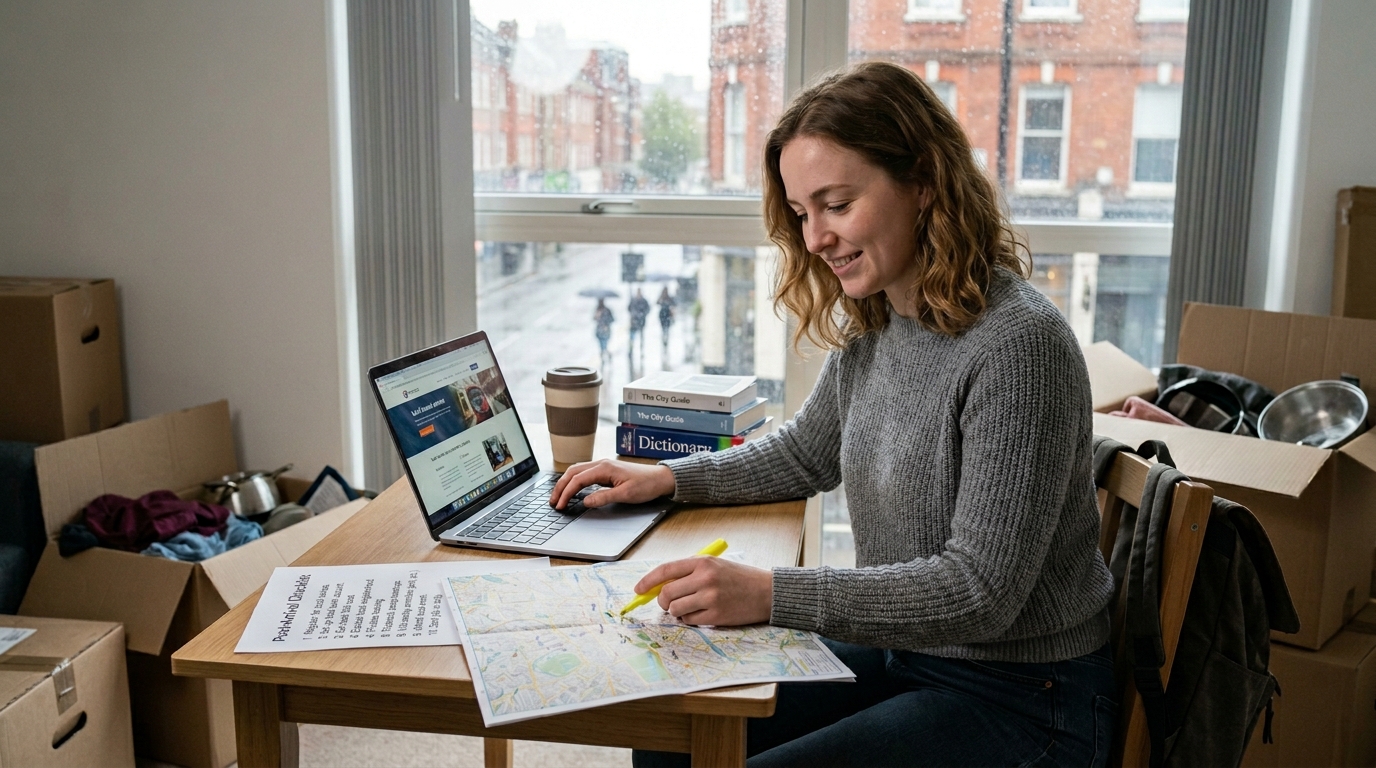
After disembarking, immerse yourself in natural sunlight for at least 30 minutes to send powerful cues to your circadian system. Morning exposure advances the clock for eastward travel, while evening light supports westward journeys. Take a brisk walk in a local park, explore outdoor city attractions, or simply sit on a veranda to absorb beneficial UV-free daylight and signal to your brain that local time has begun.
Meal timing at your destination should align with customary breakfast, lunch, and dinner hours. If breakfast is served later than your home time, resist early grazing; wait for the local morning meal to reinforce digestive clock entrainment. Similarly, adhere to local lunch and supper schedules to synchronize your metabolic cycle with ambient cues in the new time zone.
If fatigue sets in before the evening, allow yourself a strategic nap of 20–30 minutes but avoid longer rests that might disrupt nighttime sleep. Create a conducive rest environment in your accommodation by drawing blackout curtains, turning on a white noise machine or fan, and maintaining a cool room temperature around 60–67°F. Consistent sleep hygiene rituals—brushing teeth, changing into nightwear, and engaging in a brief relaxation exercise—signal to your body that it’s time to rest.
Engaging in light physical activity in the late afternoon, such as a gentle yoga class or a moderate-intensity walk, releases endorphins that reduce stress and promote deeper nocturnal sleep. Avoid vigorous workouts close to bedtime, as elevated heart rate and adrenaline can hinder sleep onset. Instead, schedule exercise 3–4 hours before lights out to balance physical recovery with hormone regulation.
Social and professional commitments can reinforce your new routine. Attend meetings, dine with colleagues, or participate in local group activities during peak daylight hours. By aligning your behavior with the community’s rhythm, you harness social zeitgebers to solidify the adjustment process. Within one to two days, most travelers find that these post-arrival tactics significantly shorten the period of jet lag discomfort.
Supplemental Tools, Technology, and Group Considerations
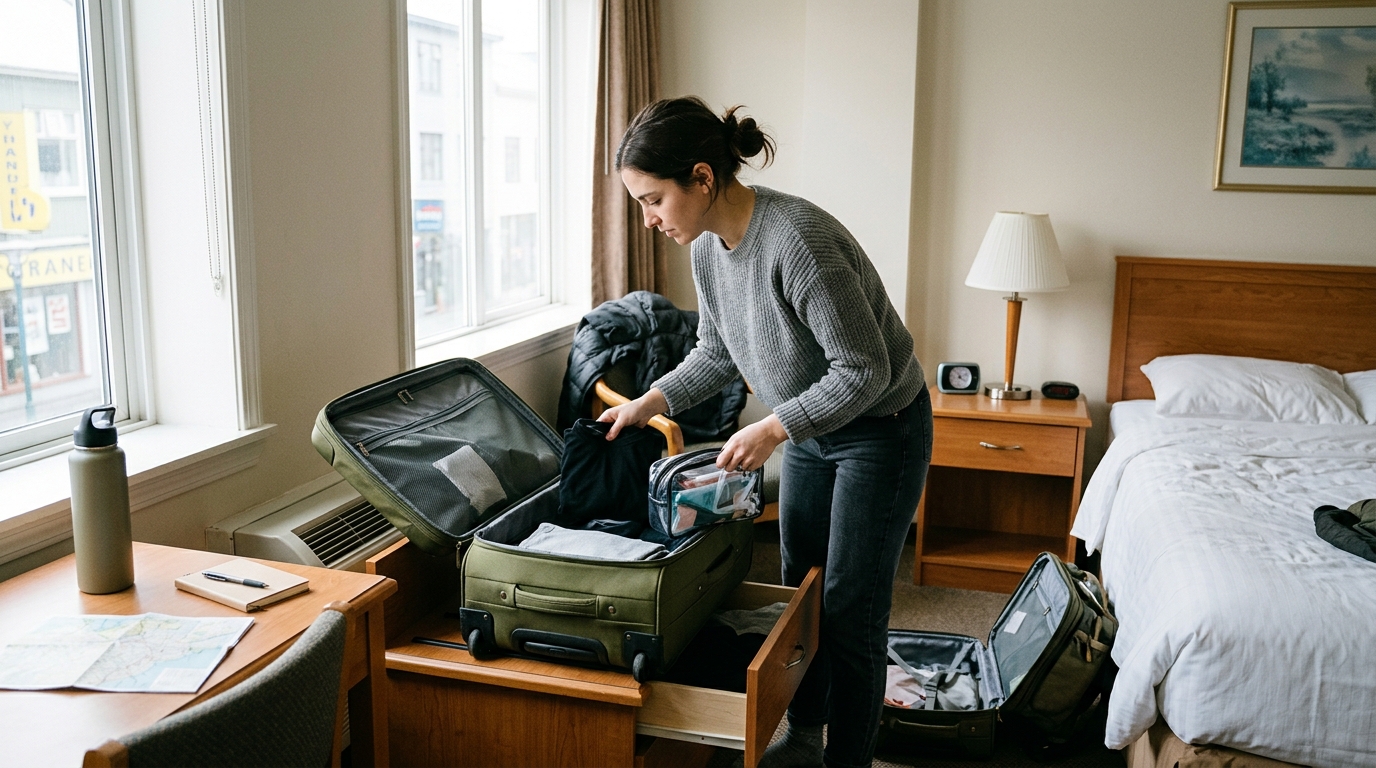
In today’s connected world, apps and wearable technology offer personalized jet lag interventions based on your flight itinerary. Tools like Re-Timer or Sleep Cycle can suggest optimal light exposure times, meal schedules, and sleep windows. Wearable devices track sleep quality, heart rate variability, and ambient light exposure, delivering data-driven insights to fine-tune your strategy in real time.
Natural supplements complement behavioral tactics. Melatonin effectively signals sleep onset when used judiciously under medical supervision. Magnesium supports muscle relaxation and deep sleep stages, while adaptogens such as ashwagandha or rhodiola may reduce cortisol levels and promote resilience to travel stress. Herbal teas containing chamomile or valerian root can enhance nighttime calm. Always source products from reputable brands and consult a healthcare professional before commencing any supplement regimen.
Eastward flights—where local mornings arrive earlier—often lead to more intense jet lag than westward travel, which extends daylight at the end of your day. Tailor your plan accordingly: for eastbound journeys, emphasize morning light exposure and advance your sleep phase; for westbound trips, seek evening illumination and delay sleep by up to one hour each day. Adjustments of even 30 minutes can yield significant improvements in alignment.
When traveling in groups or with family, coordinate schedules to facilitate collective adaptation. Plan shared excursions during daylight hours, synchronize nap times for children, and use familiar comfort items—blankets, stuffed toys, or bedtime stories—to ease younger travelers into the new routine. Group participation in light-exposure activities, such as afternoon park visits or beach walks, reinforces social cues and strengthens mutual support.
Mental well-being underpins successful adjustment. Practice mindfulness meditation, deep-breathing exercises, or progressive muscle relaxation during flight and upon arrival. Apps like Headspace or Calm offer short guided sessions that can fit easily into travel breaks. By managing stress proactively, you protect sleep quality and enhance overall resilience, ensuring that jet lag does not undermine your productivity or enjoyment.
Frequently Asked Questions
1. What causes jet lag after long flights?
Jet lag happens when your body’s circadian rhythm becomes misaligned with a new time zone after rapid travel. Crossing multiple time zones disrupts sleep, digestion, hormone release, and energy levels.
2. How long does jet lag usually last?
Jet lag can last from one to several days depending on the number of time zones crossed, travel direction, age, and sleep habits. Eastward travel often takes longer for recovery than westward travel.
3. Is eastbound travel harder than westbound travel?
Yes. Eastbound travel usually feels harder because your body must sleep earlier than normal, requiring a circadian phase advance, which is more difficult for most people to achieve naturally.
4. How can I prepare before flying to reduce jet lag?
Adjust your sleep schedule gradually 2–3 days before departure, stay hydrated, avoid alcohol, eat balanced meals, and expose yourself to light according to your destination’s time zone.
5. Does hydration help with jet lag recovery?
Yes. Proper hydration helps reduce fatigue, headaches, and dizziness caused by dry cabin air and disrupted body rhythms. Drinking water regularly before, during, and after flights is essential.
6. Can melatonin help with jet lag?
Melatonin may help regulate sleep timing and improve adjustment to new time zones when used correctly. It should be taken carefully and preferably after consulting a healthcare professional.
7. What foods are best for minimizing jet lag?
Light meals with lean proteins, vegetables, whole grains, and healthy fats support stable energy and digestion. Avoid heavy, greasy meals and excessive caffeine or alcohol before bedtime.
8. How does sunlight help reset the body clock?
Natural light is the strongest signal for regulating circadian rhythms. Morning sunlight helps advance the body clock, while evening light delays it, depending on travel direction.
9. Are naps helpful when adjusting to a new time zone?
Short naps of 20–30 minutes can improve alertness without affecting nighttime sleep. Long naps during the day may delay adaptation and worsen nighttime insomnia.
10. Can technology help manage jet lag?
Yes. Apps and wearable devices can track sleep cycles, suggest ideal light exposure times, and help travelers adjust meal and sleep schedules based on flight itineraries.
Conclusion
Jet lag no longer needs to dominate your travel experience. By understanding the science behind circadian rhythms and applying a structured approach—beginning with pre-flight sleep shifts and nutrition, extending through targeted in-flight tactics, and concluding with post-arrival light exposure and local schedule alignment—you can dramatically reduce the discomfort associated with time zone changes. Incorporate supplemental tools such as wearable tech, apps, and natural supplements under professional guidance to further optimize adaptation.
Whether traveling solo, in groups, eastward, or westward, these comprehensive strategies enable you to reclaim control over your energy, focus, and wellbeing. Step off the plane ready to embrace your itinerary fully, free from the haze of fatigue and cognitive slowdown. Implement this plan on your next trip and experience a smoother, more enjoyable journey from takeoff to touchdown.
