



Flying across time zones can disrupt sleep, energy, and focus, but smart planning before and after your trip can help you avoid jet lag faster.
Jet lag can make even a well-planned trip feel harder than it should. When your body clock is out of sync with local time, sleep gets irregular, energy drops, and focus becomes difficult. The good news is that you can avoid jet lag more effectively when you use the right habits before departure, during the flight, and after landing. This guide explains practical steps, simple routines, and travel-friendly strategies that can help your body adjust faster and recover with less stress.
Why Jet Lag Happens
Jet lag happens when your internal body clock is still following the time zone you left behind while your destination operates on a different schedule. Your sleep-wake rhythm, hunger patterns, alertness, and energy levels can all feel off. The greater the time difference, the more noticeable the effect.
Long flights often make the problem stronger because they also involve limited movement, dry cabin air, disrupted meals, and poor sleep quality. That is why people often search for Jet lag recovery tips after long-haul flights. The goal is not only to sleep better, but to help the body shift into the new schedule as smoothly as possible.
To avoid jet lag, you need to support your circadian rhythm instead of fighting it. That means paying attention to light, hydration, timing, and rest. When those parts work together, the body adapts more quickly and the trip becomes easier to enjoy.
What Makes Jet Lag Worse
Several factors can make the problem more intense. Red-eye flights, tight connections, poor sleep before travel, heavy meals, and dehydration all reduce your ability to recover. If you arrive already exhausted, it becomes harder to adjust to local time. That is why learning how to avoid jet lag should begin before you board the plane.
Travel direction also matters. Flying east often feels harder because your body has to fall asleep earlier than usual. Flying west may feel easier for some people because staying awake longer can be simpler than forcing an early sleep. Still, both directions can cause fatigue if you do not plan ahead.
Age, travel habits, and personal sleep patterns also play a role. Some travelers recover quickly, while others feel out of sync for days. The more you understand your own response to time changes, the easier it becomes to choose the best ways to prevent jet lag.
Before the Flight: Build a Strong Start
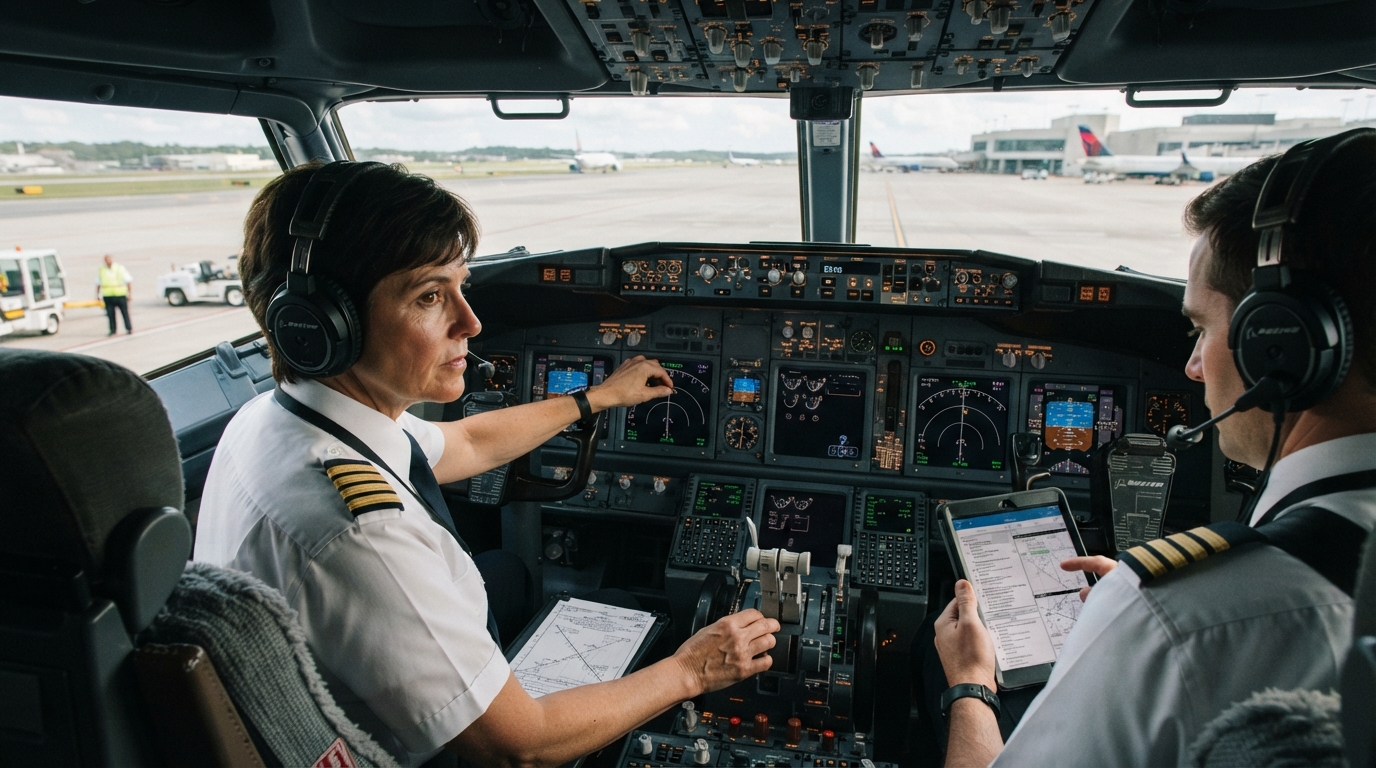
The best long-haul flight recovery begins before the flight even takes off. Good sleep the night before, lighter meals, and steady hydration can make a real difference. If your trip is important, avoid staying up too late packing or rushing through the evening. A calmer start makes it easier to avoid jet lag later.
Try to shift your sleep schedule slightly before departure if the time difference is large. Even one or two earlier or later bedtimes can help your body begin the transition. This is one of the simplest jet lag prevention guide strategies because it reduces the shock of a sudden time change.
It also helps to avoid unnecessary fatigue before flying. Overworking, skipping meals, or taking on too many tasks can leave your body weaker when travel begins. Think of the day before departure as part of your recovery plan, not just preparation.
Sleep Tips After International Flights
Sleep tips after international flights are useful because your first night in the new destination often shapes the rest of the trip. Try not to go to bed too early unless it matches the local time and you are genuinely sleepy. Falling asleep too soon can lead to waking up in the middle of the night.
If you arrive in the morning or afternoon, it can help to stay awake until a reasonable local bedtime. A short nap may be useful, but keep it brief so you do not accidentally reset your schedule in the wrong direction. This is one of the most effective ways to avoid jet lag because it keeps your sleep anchored to the destination.
A quiet room, reduced screen time, and a regular bedtime routine also help. Warm light, simple reading, and a calm evening meal can signal to your body that it is time to settle down. The more consistent your first night is, the easier it becomes to recover.
During the Flight: Support Your Body Clock
What you do during the flight matters more than many travelers realize. Staying hydrated, stretching regularly, and limiting alcohol can reduce the physical stress that makes jet lag feel worse. Dry cabin air and long periods of sitting can make you sluggish, so small movement breaks are helpful.
Meals also matter. Eating lightly and in a way that matches your destination time can help your body start adjusting earlier. If possible, follow the destination’s schedule for sleep and food. That approach helps avoid jet lag by gently nudging your body toward the new rhythm before landing.
A travel pillow, eye mask, and noise reduction can improve your sleep quality if you need to rest on the plane. Better sleep in the air does not solve everything, but it can reduce the strain on your system. These habits are part of how to recover from jet lag quickly once you arrive.
Light Exposure and Your Body Clock
Light is one of the strongest signals for the human body clock. Morning light can help you wake up and align to a new day, while late-night light can keep your brain alert when it should be slowing down. This is why many experts recommend using natural light as part of a jet lag prevention guide.
After landing, try to spend time outdoors during the right hours for the destination. If it is morning, daylight can help you activate sooner. If it is evening and you need to sleep soon, avoid bright light as much as possible. This simple habit can help you avoid jet lag faster than ignoring the light environment altogether.
Screens also matter. Blue light from phones and laptops can delay sleepiness. If you need to use devices at night, reduce brightness and stop looking at them at least a little before bed. The goal is to make your environment work with your recovery, not against it.
Hydration and Food Choices
Hydration plays a major role in travel fatigue recovery tips. Airplane cabins are dry, and dehydration can make you feel more tired, irritable, and foggy. Drinking water regularly before, during, and after the flight helps support overall recovery. Avoid relying too much on caffeine or alcohol, both of which can disturb sleep and hydration.
Food timing matters too. Heavy meals can leave you uncomfortable, while very sugary snacks may lead to energy crashes. A balanced meal with protein, complex carbohydrates, and vegetables can support steadier energy. This helps you avoid jet lag because your body is less stressed by digestion and blood sugar swings.
After arrival, try to eat according to local meal times. Even if your appetite feels odd, a steady pattern helps your body adapt. That is one reason how to adjust to a new time zone is not only about sleep. Food rhythm is part of the adjustment process too.
Best Ways to Prevent Jet Lag on Short Trips
Some travelers think jet lag only matters on long vacations, but it can affect short business trips even more because there is less time to adjust. If your trip is brief, the best ways to prevent jet lag are often about minimizing disruption. Keep routines simple, stay hydrated, and try to match local time as soon as possible.
For short trips, it may not be worth forcing a full schedule shift if you are only staying one or two nights. In those cases, choose the most functional rhythm for the trip. Still, you can avoid jet lag symptoms from becoming overwhelming by eating well, moving often, and sleeping as close to destination time as possible.
Short journeys also reward planning. Arriving with enough time to rest before an important meeting or event can make the difference between feeling sharp and feeling drained. When you know the trip is quick, every recovery habit becomes more important.
How to Adjust to a New Time Zone
How to adjust to a new time zone is a question many travelers ask after arrival. The answer starts with deciding whether to follow local time immediately. In most cases, the sooner you align your eating, sleeping, and activity schedule to the destination, the easier it becomes to settle in.
This does not mean forcing sleep the second you land. Instead, try to use the local day as your reference point. Morning light, regular meals, and modest activity can help your body understand that the new time zone is now the priority. That is one of the most practical ways to avoid jet lag after travel.
It also helps to give yourself a transition day if possible. If your first day includes a big event, build in some margin. The more flexibility you have, the less stress you will feel while adjusting. A calmer schedule often helps the body adapt faster.
How to Recover from Jet Lag Quickly
How to recover from jet lag quickly depends on consistency. There is rarely a single trick that fixes everything. Instead, recovery improves when several small habits work together. Sleep at the right time, get daylight, move your body, and avoid habits that disrupt rest.
A short walk after landing can help reset your energy. Light movement boosts circulation and reduces that heavy travel feeling. If you are tired, a brief nap may help, but keep it short so you do not reduce your nighttime sleep quality. This balance is one of the most effective Jet lag recovery tips.
You should also be patient with yourself. Recovery is sometimes faster than expected, but it can still take a day or more depending on time zone differences. The key is steady adjustment rather than perfection.
Long-Haul Flight Recovery Checklist
A simple long-haul flight recovery routine can make the difference between feeling wrecked and feeling manageable. Start with hydration and a light meal. Then expose yourself to the right kind of daylight based on local time. Keep your first day moderate instead of overloading your schedule.
Move your body gently, but do not overexercise if you are exhausted. Too much strain can make recovery harder. A better choice is to walk, stretch, and let your body wake up naturally. This supports travel fatigue recovery tips without adding pressure.
Your evening routine matters as well. Dim the lights, reduce screen time, and prepare for bed at a reasonable local hour. When the first night is handled well, the rest of the trip usually feels easier. That is how you avoid jet lag from becoming a multi-day problem.
Tips to Beat Jet Lag Naturally
Many travelers want tips to beat jet lag naturally without medication or complicated routines. The strongest natural methods are already available to most people: light, sleep timing, hydration, movement, and meal rhythm. These habits work because they guide the body toward the new schedule.
You can also use simple behavioral cues. Showering in the evening, changing clothes for bed, and avoiding stimulating conversations late at night can all reinforce sleepiness. These small signals help your brain recognize that rest is coming. They are subtle, but they matter.
If you want to avoid jet lag naturally, consistency is more important than intensity. A steady routine usually works better than trying too many changes at once. The body adjusts better when it receives clear, repeated signals.
Morning and Evening Strategies
Morning and evening routines are powerful because they anchor the body clock. In the morning, go outside if the local time suggests you should be awake. Light movement, breakfast, and hydration can help your brain switch into daytime mode. This is especially useful when you need to avoid jet lag after crossing several time zones.
In the evening, lower stimulation. Keep your environment calm, avoid caffeine late in the day, and give your mind permission to slow down. If your body thinks it is still daytime, strong evening light and activity can delay recovery. That is why evening habits are such a major part of how to recover from jet lag quickly.
When morning and evening cues are consistent, the body adapts faster. You are not just waiting for recovery to happen. You are actively guiding it.
A Simple Jet Lag Prevention Guide
A practical jet lag prevention guide should be easy to remember. Before the trip, rest well, hydrate, and adjust your schedule if needed. During the flight, move regularly, drink water, and avoid overindulging. After arrival, use light, meals, and bedtime to match the destination.
This guide works because it treats the trip as a sequence, not a single event. Jet lag is easier to manage when you think ahead. The more your routine supports the new time zone, the easier it becomes to avoid jet lag symptoms.
You do not need perfection. Even small improvements can make a trip feel much better. The goal is progress, not a flawless transition.
Common Mistakes Travelers Make
One common mistake is going straight to bed after arrival when it is still daytime at the destination. That can make it harder to sleep at the right hour later. Another mistake is drinking too much caffeine or alcohol, both of which can interfere with rest and hydration.
Some travelers also ignore light exposure, even though it is one of the strongest ways to reset the body clock. Others overschedule the first day and then feel exhausted before bedtime. These choices make it harder to avoid jet lag and slow recovery overall.
A final mistake is assuming that fatigue will disappear on its own without any support. While your body does adapt naturally, your habits can help or hinder the process. Smart choices make recovery smoother.
Comparison Table: What Helps Most
| Strategy | Why It Helps | Best Time to Use |
|---|---|---|
| Hydration | Reduces fatigue and supports comfort | Before, during, and after flight |
| Light exposure | Resets body clock cues | Morning or evening based on destination |
| Short naps | Relieves pressure without ruining sleep | Early arrival day only |
| Meal timing | Reinforces local schedule | During flight and after landing |
| Gentle movement | Improves circulation and alertness | On the plane and after arrival |
| Calm bedtime routine | Signals sleep readiness | First night at destination |
Building a Personal Recovery Plan

The best way to avoid jet lag is to make your own recovery plan based on the length of the trip, the number of time zones crossed, and your usual sleep pattern. Someone who travels frequently may already know which habits work best. A first-time traveler may need to keep things simple and follow a clear routine.
Start by identifying your hardest moment after flying. Is it the first evening, the first morning, or the middle of the day? Then build one or two habits around that point. For example, if you feel too sleepy in the afternoon, plan a short walk and stay outside for daylight. If you struggle at night, reduce screen use and follow a calm bedtime routine.
The best plans are realistic. You are more likely to follow a few simple habits consistently than a long list that feels overwhelming. That is why a practical jet lag strategy often beats a complicated one.
Why These Habits Work
These habits work because they support the body’s natural timing system. Your brain responds to light, activity, food, and rest. When those signals are aligned, it becomes easier to avoid jet lag and settle into the destination schedule. The body usually prefers rhythm over chaos.
A traveler who follows these principles often feels more in control, less foggy, and better prepared for the first days after landing. Even if the trip involves a big time difference, a solid routine can reduce the intensity of the adjustment.
The result is not just better sleep. It is better travel. You arrive with more energy, more patience, and a clearer mind.
Conclusion
Jet lag can disrupt sleep, focus, and energy, but it does not have to dominate your trip. With the right planning, you can avoid jet lag more effectively by using light, hydration, meal timing, movement, and consistent sleep habits before and after your flight. The most important idea is simple: help your body adjust instead of fighting the new time zone. Small choices made at the right time can make a big difference in how quickly you recover. Whether you are traveling for work or vacation, these strategies can help you feel more settled, more alert, and more ready to enjoy your destination sooner.
FAQs
1. What is the fastest way to avoid jet lag?
The fastest way to avoid jet lag is to match your sleep, meals, and light exposure to the destination time as soon as possible.
2. Do naps help with jet lag?
Yes, but only short naps. A brief nap can help if you are exhausted, but long naps may make it harder to sleep at night.
3. Should I sleep on the plane?
If it matches your destination schedule, yes. If not, staying awake may help your body adjust better after landing.
4. Does drinking water help with jet lag?
Yes. Hydration supports energy, comfort, and recovery, especially after long flights in dry cabin air.
5. Is light exposure really important?
Yes. Light is one of the strongest signals for your body clock and can help you adjust more quickly to a new time zone.
6. How long does jet lag usually last?
It varies by person and time difference. Some travelers recover in a day or two, while others need longer.
7. Can food timing help with jet lag?
Yes. Eating meals according to local time helps your body start adapting to the new schedule.
8. Is jet lag worse when flying east?
It often feels worse for many travelers because the body must adjust to an earlier sleep schedule, though experiences vary.
9. Should I avoid caffeine?
You do not necessarily need to avoid it completely, but using too much or too late in the day can make recovery harder.
10. What is the most important rule to recover faster?
Consistency. When sleep, light, meals, and movement all point toward the new time zone, recovery usually happens more smoothly.
