


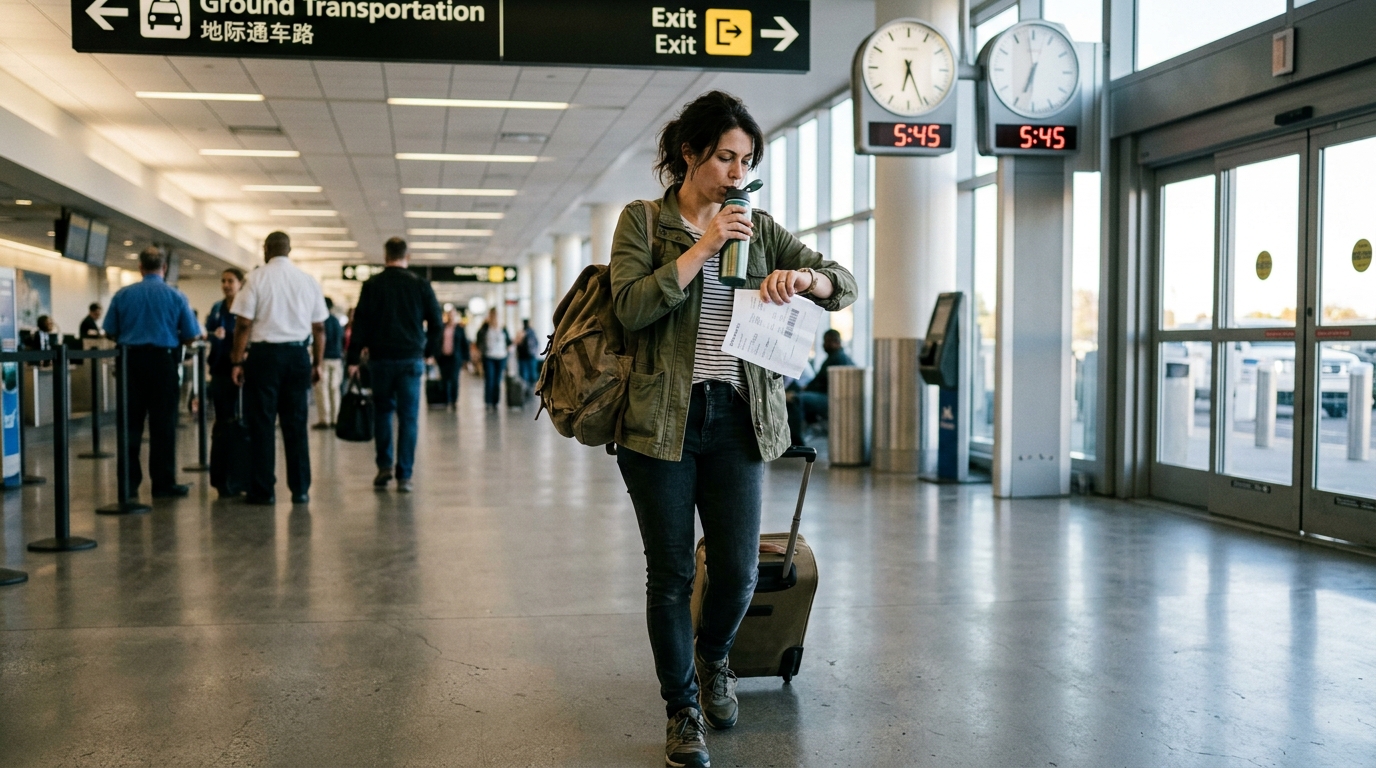
Jet lag can leave you tired, unfocused, and out of rhythm, but it does not have to control your trip. These Jet Lag Survival Tips show you how to prepare before flying, reset faster after landing, and protect your energy in any time zone.
Jet lag feels frustrating because it affects both body and mind. Your sleep schedule, appetite, mood, and focus can all shift at once, which makes even simple travel days feel harder. Jet Lag Survival Tips are useful because they give your body clear signals about when to sleep, eat, move, and stay alert. Instead of waiting for the fog to pass, you can guide the recovery process with a few smart habits.
The most important thing to understand is that jet lag is a timing problem. Your internal clock still thinks it is in the old time zone, even though your surroundings have changed. Jet Lag Survival Tips work by reducing that mismatch. With the right combination of light, hydration, food, and sleep timing, many travelers recover much faster than they expect.
Why Jet Lag Hits So Hard
When you cross several time zones, your brain receives conflicting messages. The sun says one thing, your watch says another, and your body wants to follow old routines. That confusion can lead to tiredness, headaches, digestive issues, low motivation, and difficulty concentrating. Jet Lag Survival Tips help you reduce those symptoms by making the new time zone feel familiar sooner.
Travel stress makes everything stronger. Long lines, cabin pressure, dry air, and broken sleep all add to the strain. That is why Jet Lag Survival Tips should not begin after landing. They should begin before the flight, continue during travel, and stay consistent during the first day or two after arrival.
The mental side of jet lag
Your expectations matter. If you assume the trip will be miserable, every small symptom feels bigger. A calmer mindset helps your body adjust because stress can keep you awake, make digestion feel worse, and increase the sense of fatigue. Jet Lag Survival Tips are not just physical steps; they also reduce the uncertainty that makes travel feel overwhelming.
Before You Fly, Start the Reset Early
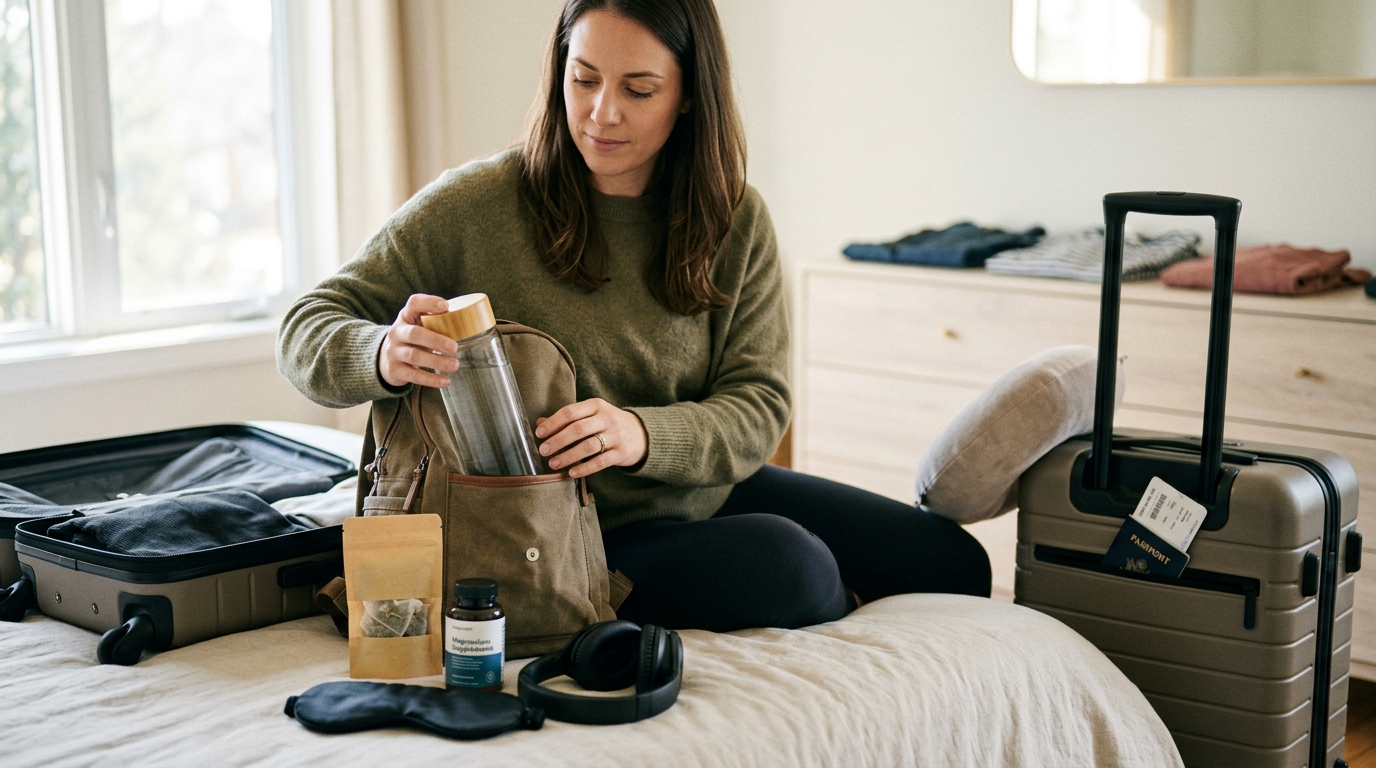
A strong trip begins before takeoff. One of the most effective Jet Lag Survival Tips is to slowly move your bedtime and wake time toward the destination schedule. Even a small shift of 30 to 60 minutes for a few days can help your body adapt more smoothly. If you are travelling east, go to bed earlier. If you are traveling west, stay up a little later.
If you are wondering how to adjust your sleep schedule before flying internationally, the answer is simple: make small changes before departure instead of forcing a huge overnight shift. Small steps are easier to sustain and less likely to leave you exhausted before the flight. Think of it as a gentle head start.
Food and caffeine also deserve attention. Eat a balanced meal before travel so you do not board the plane overly hungry or overly full. Use caffeine carefully, because too much or too late can make it harder to sleep when you need to. Jet Lag Survival Tips work best when your energy is managed instead of guessed.
Build a better pre-flight routine
The best routine to avoid jet lag when traveling is one that begins a day or two before departure. Pack early, drink enough water, and avoid staying up too late the night before your flight. If you start the journey stressed and sleep-deprived, recovery becomes harder. A calm body is easier to realign.
If you want to know how to sleep after long international flight, the real answer starts before you leave home. Set your sleep goals early, then let your travel schedule support them instead of fighting them.
What to Do During the Flight
The flight is not just transportation; it is part of the adjustment plan. Hydration tips for jet lag recovery during travel matter because airplane cabins are dry and dehydration can make fatigue feel worse. Sip water regularly, limit alcohol, and avoid overdoing salty snacks. You do not need perfection, just consistency. These habits also support tips to beat jet lag on long haul flights.
Sleep on the plane only when it helps your destination rhythm. If the local time where you are going says it should be night, create a sleep-friendly setup with an eye mask, neck support, and reduced screen brightness. If it should be daytime, use movement, conversation, and light activity to stay awake. Jet Lag Survival Tips are more effective when your in-flight choices match the clock you are entering. That is often the best way to reset your body clock after flying.
Food choices matter too. Foods that help reduce jet lag symptoms are usually simple and easy to digest. Think fruit, oatmeal, yogurt, rice, eggs, vegetables, soup, nuts, and lean protein. Heavy meals can make you sluggish, bloated, or sleepy in the wrong way. Keep portions moderate and avoid making digestion harder than necessary.
How to protect sleep quality in the air
Screen time can keep your mind active even when your body is tired. If you are trying to sleep, reduce bright stimulation and use quiet content instead of endless scrolling. If you are trying to stay awake, use the screen as a tool, not a trap. Jet Lag Survival Tips often succeed or fail based on these small decisions.
The First Hours After Landing Matter Most
When you land, your priority should be local time, not home time. One of the strongest Jet Lag Survival Tips is to go outside soon after arrival and let daylight tell your brain that the new day has begun. Light exposure therapy for jet lag recovery is powerful because light is one of the strongest signals for your internal clock. It helps your brain understand when to be alert and when to slow down. In practical terms, this is how to reset your body clock after flying.
Movement helps too. A short walk, gentle stretching, or an easy errand can make you feel more grounded. You do not need a workout. You need enough motion to wake up your body and reduce the heavy, stuck feeling that often follows a long flight.
The first meal after landing should also follow local time. Eat breakfast when it is morning, lunch when it is afternoon, and dinner when it is evening. This is one of the simplest Jet Lag Survival Tips because your meal schedule becomes a cue that helps your body settle into the new environment.
When a nap helps and when it hurts
A short nap can be useful if you are dangerously sleepy, but keep it brief. A 20 to 30 minute nap is usually safer than a long sleep session. Long naps, especially late in the day, can make it harder to sleep at night and slow the adjustment process. Jet Lag Survival Tips treat naps as a rescue option, not a habit.
A Simple Daily Reset Plan
| Time After Landing | Best Action | Why It Helps |
|---|---|---|
| First 2 hours | Get daylight, hydrate, and move gently | Signals wakefulness and reduces travel fog |
| Midday | Eat local meals, avoid long naps | Helps the body accept the new rhythm |
| Afternoon | Stay active, use caffeine carefully | Supports alertness without ruining nighttime sleep |
| Evening | Dim lights, reduce stimulation | Prepares the body for sleep |
| Night | Sleep at local bedtime | Anchors the new body clock |
This plan is easy to remember because it turns Jet Lag Survival Tips into a simple routine rather than a long list of rules.
Sleep Strategy by Direction
Eastbound trips are usually harder because your body has to fall asleep earlier than usual. That can feel uncomfortable at first, so Jet Lag Survival Tips should emphasize morning light, earlier bedtime preparation, and avoiding late naps.
Westbound trips are often easier because staying awake longer is more natural for many people. In that case, your focus should be on later light exposure, a slightly delayed bedtime, and staying active until the local evening feels natural.
Keep food and water in sync
Travel routines work better when they are stable. If you keep snacking randomly or skipping meals, your body receives mixed signals. Better timing helps your system settle faster. This is why Jet Lag Survival Tips include both hydration and meal timing. They are small actions, but they create a strong rhythm when repeated consistently.
Common Mistakes That Make Recovery Slower
Many travellers try to fight jet lag with extra sleep, but that usually backfires. Sleeping too long during the day can make nighttime sleep harder. Too much alcohol can worsen dehydration and disturb rest. Staying all day indoors can also delay recovery because your body misses the daylight cue it needs.
Another mistake is trying to live on home time for the first few days. That approach confuses your body even more. Jet Lag Survival Tips work best when you commit to the destination schedule quickly, even if that means changing habits for a short time.
Make the New Time Zone Feel Familiar
The fastest way to adjust is to repeat the same basic signals every day. Wake up at the local time. Eat on the local schedule. Get light in the morning and dimmer conditions at night. Move your body during the day. Sleep at the destination’s bedtime. When all of those cues point in the same direction, recovery feels much smoother.
Jet Lag Survival Tips are effective because they reduce decisions. You do not have to negotiate with your body all day. You simply follow a pattern that tells your brain where you are and what time it is supposed to be.
A practical traveler mindset
Travel is easier when you expect a transition, not perfection. You may still feel tired on day one or slightly off on day two, and that is normal. The goal is not to erase every symptom instantly. The goal is to shorten the adjustment window and protect the quality of the trip. Jet Lag Survival Tips help you do that with simple, repeatable actions.
Extra Habits for Frequent Flyers

Frequent travelers benefit from consistency. Keep a small travel kit with an eye mask, earplugs, a refillable water bottle, electrolyte packets, and comfortable clothing layers. Keep your pre-flight and post-flight routine as similar as possible each time. Routine lowers friction and makes each trip easier to manage.
It also helps to notice your own patterns. Some people feel better after a nap, while others recover faster by staying awake until nighttime. Some do better with early sunlight, while others need a slower shift. Jet Lag Survival Tips become more powerful when you personalize them based on real experience.
Conclusion
Jet lag is common, but it does not need to ruin your arrival. With the right plan, you can reduce the fog, sleep better, and start enjoying your trip sooner. The strongest Jet Lag Survival Tips are simple: prepare before you leave, stay hydrated, time your meals, use light wisely, and align your sleep with local time. When those signals work together, your body adapts faster and more comfortably. You do not need a perfect routine to recover well. You need a consistent one.
FAQ
How long does jet lag usually last?
Jet lag often improves within a few days, but the length depends on how many time zones you crossed and how well you follow a reset routine.
What is the fastest way to recover from jet lag?
The fastest recovery usually combines light exposure, hydration, local meals, movement, and sleeping at the destination’s normal bedtime.
Should I sleep on the plane?
Only when it supports your destination schedule. Sleep if it helps you arrive aligned, and stay awake if sleeping would adjust harder.
Does caffeine help with jet lag?
Caffeine can help with alertness, but timing is important. Used too late, it can delay sleep and make recovery harder.
Is alcohol bad for jet lag?
Yes, alcohol can worsen dehydration and lower sleep quality, which usually makes jet lag feel worse.
Can food really affect jet lag?
Yes. Meal timing and food quality both influence energy, digestion, and how quickly your body settles into a new rhythm.
What should I do if I wake up too early after arrival?
Stay calm, keep lights low if it is still night, and use local-time cues to help your body settle back into the right schedule.
Are naps okay after a long flight?
Short naps can help, but long naps often make nighttime sleep harder and slow the reset process.
How does light help with jet lag?
Light tells your brain when it is daytime, which helps shift your internal clock toward the new time zone.
Can I prevent jet lag completely?
Not always, but you can greatly reduce it with smart planning and consistent habits.
