



Eco-Friendly Air Travel Trends and Solutions are changing how the aviation industry thinks about growth, responsibility, and passenger trust. Cleaner fuels, better aircraft, smarter airports, and more informed travelers all play a role. The future of flight will not be defined by one silver bullet. It will be defined by many coordinated improvements that steadily reduce impact while preserving connection. That is why Travel Trends and Solutions matter for both the industry and the traveler.
Eco-Friendly Air Travel Trends and Solutions are becoming a major priority as travelers, airlines, and airports rethink what modern flying should look like. People no longer choose flights only by price and schedule. They also want lower emissions, smarter fuel use, cleaner airports, and a travel experience that feels responsible. That shift matters because aviation connects the world, but it also adds pressure to the climate. The good news is that Eco-Friendly Air Travel Trends and Solutions are no longer just future ideas; they are already shaping aircraft design, fuel innovation, route planning, and passenger behavior. That is why Travel Trends and Solutions matter for both the industry and the traveler.
At the heart of this movement is a simple truth: travelers want convenience, but they also want purpose. They want to feel that their choices matter. Airlines know this, which is why Eco-Friendly Air Travel Trends and Solutions are now part of brand trust, customer loyalty, and long-term growth. When passengers see real action, they are more willing to support a carrier, pay attention to emission reductions, and adjust their own habits. That is why this topic is not only environmental; it is psychological, practical, and commercial. That is why Travel Trends and Solutions matter for both the industry and the traveler.
What Makes Air Travel Less Sustainable
To understand the value of Eco-Friendly Air Travel Trends and Solutions, it helps to understand why aviation contributes to climate change. Aircraft burn fuel at high altitude, where emissions can have a stronger warming effect than on the ground. Jet fuel is energy dense and efficient for distance, but it is still a fossil fuel. Growth in travel demand also means more departures, more congestion, and more energy use across airports, ground services, and cargo systems. That is why Travel Trends and Solutions matter for both the industry and the traveler.
Another challenge is perception. Many people assume that the problem is only the plane itself, but the full footprint includes the whole journey. Ground transport to the airport, baggage handling, terminal energy use, catering, and maintenance all add to the total. That is why Eco-Friendly Air Travel Trends and Solutions focus on the entire ecosystem rather than a single fix. Small improvements across many areas can create a significant combined impact. That is why Travel Trends and Solutions matter for both the industry and the traveler.
What Is Eco-Friendly Air Travel
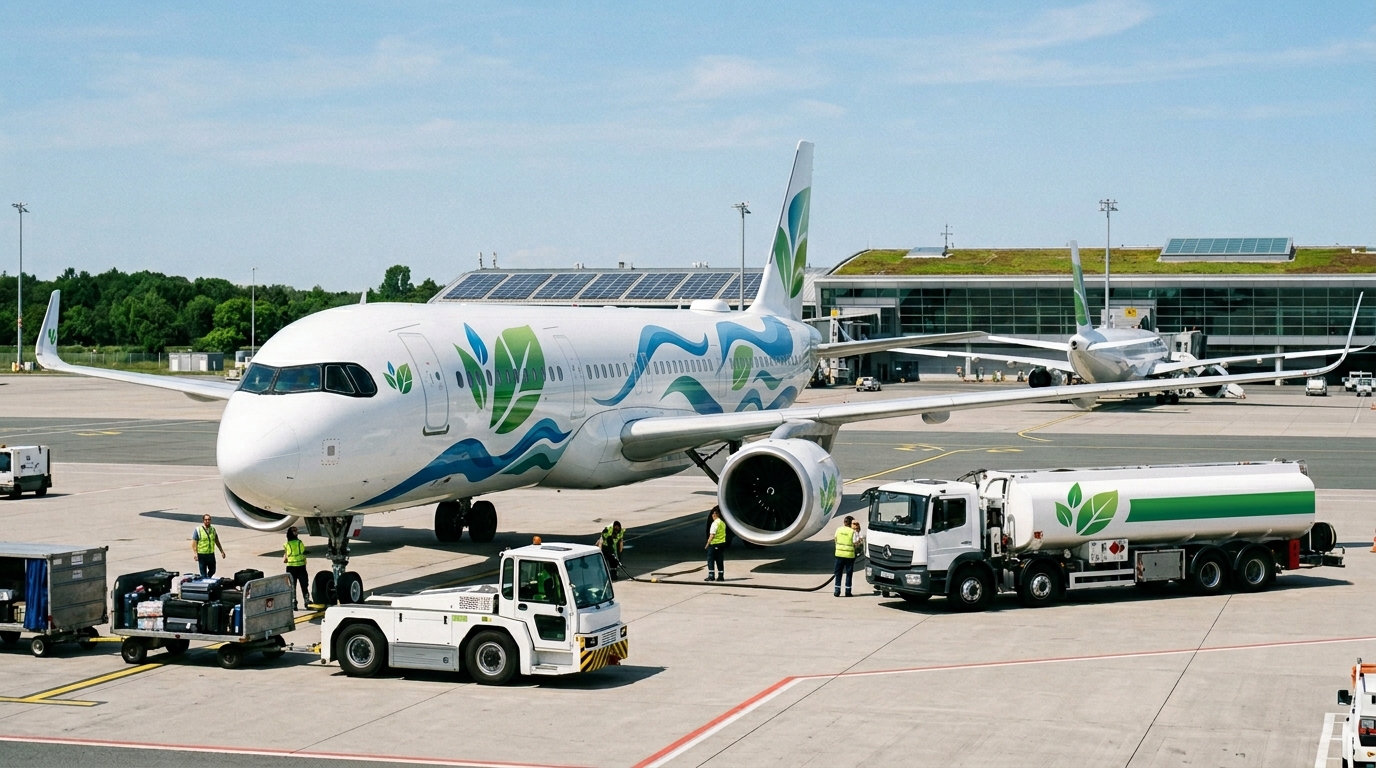
When people ask what is eco-friendly air travel, they are usually asking a bigger question: how can flying become cleaner without losing the speed and reach that make it so valuable? Eco-friendly flying means reducing emissions, improving fuel efficiency, cutting waste, and investing in smarter infrastructure. It also means giving passengers better information so they can make lower-impact choices with confidence. That is why Travel Trends and Solutions matter for both the industry and the traveler.
Eco-Friendly Air Travel Trends and Solutions cover airlines, airports, regulators, aircraft makers, and passengers. That broad view matters because one company alone cannot solve the issue. The best results happen when design, operations, policy, and traveler behavior all move in the same direction. In other words, sustainability in aviation works best when it becomes a system, not a slogan. That is why Travel Trends and Solutions matter for both the industry and the traveler.
How Airlines Reduce Carbon Emissions
The question of how airlines reduce carbon emissions is central to modern aviation strategy. Airlines are investing in lighter cabin materials, improved flight planning, optimized ascent and descent paths, more efficient engines, and better aircraft maintenance. Even small gains in efficiency can matter because the airline industry operates at scale. That is why Travel Trends and Solutions matter for both the industry and the traveler.
Eco-Friendly Air Travel Trends and Solutions also include digital tools that help crews choose fuel-saving routes based on weather, wind, air traffic, and altitude. Better scheduling can reduce fuel burn on the ground and in the air. Airlines also use fleet renewal programs so older aircraft are replaced with newer models that consume less fuel per passenger. This is not a single breakthrough; it is a disciplined combination of many improvements. That is why Travel Trends and Solutions matter for both the industry and the traveler.
Benefits of Sustainable Aviation Fuel
One of the most promising answers to the question of how airlines reduce carbon emissions is sustainable fuel. The benefits of sustainable aviation fuel are gaining attention because SAF can often work with existing aircraft and airport infrastructure. That makes it one of the most practical transition tools available today. That is why Travel Trends and Solutions matter for both the industry and the traveler.
The benefits of sustainable aviation fuel include lower lifecycle emissions, compatibility with current systems, and the ability to scale faster than entirely new propulsion technologies. It can be made from waste oils, agricultural residues, and other feedstocks, depending on the production pathway. Eco-Friendly Air Travel Trends and Solutions rely on SAF because it allows the industry to cut emissions now while preparing for deeper changes later. Travelers often respond positively to SAF because it feels tangible: it is a clear step, not a vague promise. That is why Travel Trends and Solutions matter for both the industry and the traveler.
Ways to Make Air Travel More Sustainable
Passengers often ask about ways to make air travel more sustainable, and the answer starts before booking. Choosing nonstop flights when possible can reduce emissions linked to takeoff and landing. Packing lighter can help too, because lower weight can lower fuel use. Travelers can also compare airlines by their fleet age, fuel policy, and sustainability reporting. That is why Travel Trends and Solutions matter for both the industry and the traveler.
At the airport, ways to make air travel more sustainable include bringing reusable items, reducing single-use plastics, and using public transport to and from the terminal. Travelers can also consider train connections for short regional trips when time allows. Eco-Friendly Air Travel Trends and Solutions become more effective when passengers participate, because behavior change multiplies the impact of industry change. That is why Travel Trends and Solutions matter for both the industry and the traveler.
How Carbon Offset Flights Work
Many travelers hear about offsets but do not fully understand how carbon offset flights work. In simple terms, a carbon offset is a way to support a project that reduces or removes emissions elsewhere, such as reforestation, clean energy, or methane capture. The idea is to balance out some of the emissions from a flight. That is why Travel Trends and Solutions matter for both the industry and the traveler.
However, carbon offset flights work best when people understand their limits. Offsets do not erase the emissions from the aircraft itself, and not all programs deliver the same quality. Eco-Friendly Air Travel Trends and Solutions treat offsets as a supporting tool, not a magic fix. The most responsible approach is to reduce emissions first and then use high-quality offsets for the remaining impact. That is also why transparent standards matter so much. That is why Travel Trends and Solutions matter for both the industry and the traveler.
Latest Green Aviation Technologies
The latest green aviation technologies are reshaping the future of flight faster than many expected. Engineers are testing more aerodynamic aircraft shapes, lighter composite materials, wing improvements, and better engine architectures. Some companies are also exploring electric and hybrid propulsion for short routes, while hydrogen remains a long-term option for deeper decarbonization. That is why Travel Trends and Solutions matter for both the industry and the traveler.
The latest green aviation technologies matter because they change what passengers can reasonably expect from future travel. Better batteries, smarter software, and advanced materials are not just technical upgrades; they influence the economics of flying. Eco-Friendly Air Travel Trends and Solutions depend on these innovations because technology creates the next generation of options. Some of those options will enter service gradually, but the direction is clear: cleaner, quieter, more efficient flight systems. That is why Travel Trends and Solutions matter for both the industry and the traveler.
Future of Eco-Friendly Airplanes
When people think about the future of eco-friendly airplanes, they often imagine a sudden transformation. In reality, aviation changes in stages. The near future will likely feature more efficient conventional aircraft powered by cleaner fuels and improved operations. The mid-term future may bring hybrid-electric aircraft for regional routes. The longer-term future could include hydrogen-powered systems if infrastructure, safety, and storage challenges are solved. That is why Travel Trends and Solutions matter for both the industry and the traveler.
Eco-Friendly Air Travel Trends and Solutions will remain a central part of that future because passenger expectations are already changing. Younger travelers especially tend to care about impact, transparency, and accountability. Airlines that plan ahead can build trust now, instead of waiting until regulation or market pressure forces them to react. That proactive approach is often rewarded by consumers who want to align values with behavior. That is why Travel Trends and Solutions matter for both the industry and the traveler.
Sustainable Airport Operations
Airports play a bigger role than many people realize. Sustainable airport operations include solar power, efficient lighting, better heating and cooling systems, electric ground vehicles, recycling programs, and water conservation. They also include smarter layout design that reduces taxi times and avoids unnecessary engine use. That is why Travel Trends and Solutions matter for both the industry and the traveler.
Eco-Friendly Air Travel Trends and Solutions become stronger when airports work as active partners. A modern airport can reduce waste, support cleaner fuel logistics, and offer better transit connections. It can also improve passenger comfort, because sustainability and comfort often overlap. Cleaner air in terminals, less congestion, and easier navigation create a better emotional experience, not just a better environmental one. That is why Travel Trends and Solutions matter for both the industry and the traveler.
Human Psychology and Why This Matters
Travel decisions are not purely logical. People choose flights based on trust, convenience, status, and emotional relief. That is why Eco-Friendly Air Travel Trends and Solutions are powerful: they reduce guilt while increasing satisfaction. When a traveler believes their flight choice is responsible, the purchase feels easier and more aligned with personal identity. That is why Travel Trends and Solutions matter for both the industry and the traveler.
This matters because many consumers are not looking for perfection. They are looking for progress they can believe in. Airlines that communicate clearly about emissions, fuel, and innovation make the experience feel honest. Eco-Friendly Air Travel Trends and Solutions work best when they are described in human language, not corporate jargon. People want to know that they are part of something better, not just buying another ticket. That is why Travel Trends and Solutions matter for both the industry and the traveler.
Practical Comparison Table
| Trend | What it does | Why it matters |
|---|---|---|
| Sustainable aviation fuel | Replaces part of fossil jet fuel | Lowers lifecycle emissions |
| Fleet renewal | Uses newer aircraft | Improves fuel efficiency |
| Route optimization | Plans better flight paths | Reduces fuel burn |
| Electric ground support | Powers airport vehicles | Cuts local pollution |
| Carbon offsets | Supports climate projects | Helps address remaining emissions |
| Cleaner terminals | Uses less energy and waste | Improves overall footprint |
Travel Trends and Solutions in Real Life

In real life, Eco-Friendly Air Travel Trends and Solutions show up in small but meaningful details. A traveler might notice better fuel-efficiency reporting, more transparent emissions data, or airlines offering greener booking options. An airport may provide electric shuttle buses, refill stations, or stronger recycling programs. A manufacturer may launch a lighter cabin concept or test a more efficient wing design. That is why Travel Trends and Solutions matter for both the industry and the traveler.
Each of these changes might seem modest, but together they shift the travel experience. That is why Travel Trends and Solutions are not just a buzz phrase. They represent a practical pathway for the industry to evolve without losing the value of air mobility. As awareness grows, more passengers will begin to expect these features as normal rather than exceptional. That is why Travel Trends and Solutions matter for both the industry and the traveler.
Conclusion
The shift toward Eco-Friendly Air Travel Trends and Solutions is not only necessary; it is also achievable. Aviation will remain important for business, family, tourism, and global connection, but it must keep improving if it wants long-term legitimacy. That means cleaner technology, smarter operations, and honest communication. It also means helping travelers understand that every booking choice can support a better system. That is why Travel Trends and Solutions matter for both the industry and the traveler.
Eco-Friendly Air Travel Trends and Solutions offer a realistic path forward because they balance ambition with practicality. They do not ask the world to stop flying. They ask the industry to fly better. That is a message passengers can understand, support, and trust. That is why Travel Trends and Solutions matter for both the industry and the traveler.
FAQ
Q1. What is the main idea behind eco-friendly air travel?
Eco-friendly air travel is about reducing the environmental impact of flying through cleaner fuels, efficient aircraft, smarter airport systems, and responsible traveler choices.
Q2. Are carbon offsets enough to make a flight sustainable?
No. Carbon offsets can support climate projects, but they should complement direct emissions reductions rather than replace them.
Q3. Which technology is most important right now?
Sustainable aviation fuel is one of the most practical near-term solutions because it can work with current aircraft and airport systems.
Q4. Can passengers really make a difference?
Yes. Choosing nonstop routes, packing light, supporting transparent airlines, and using lower-impact transport to the airport all help.
Q5. Will airplanes become fully electric soon?
Fully electric commercial aircraft are more likely to begin with shorter regional routes. Larger long-haul flights will need other solutions first.
