


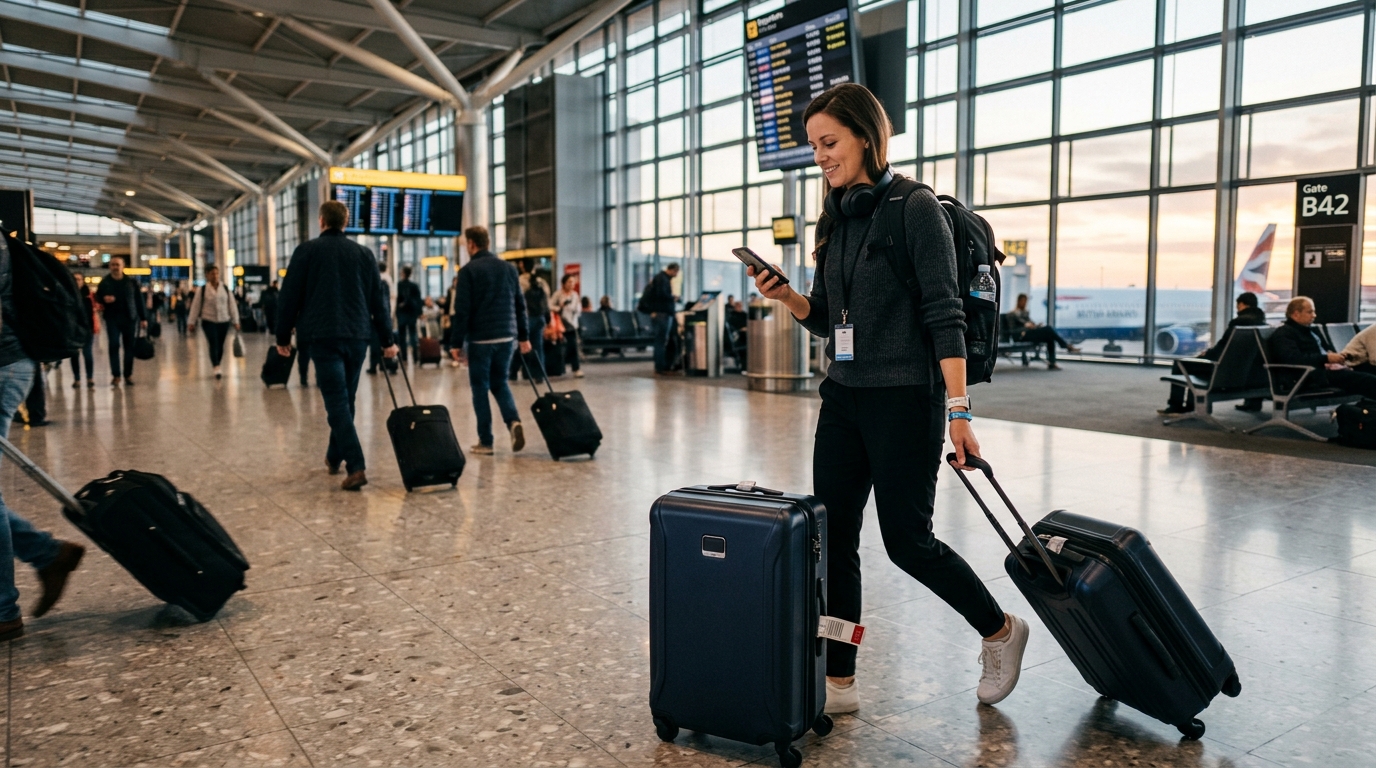
This Air Travel Guide gives travelers a clear, practical way to fly with less stress and more confidence. You will learn how to plan, pack, book, and move through airports with a calm system that saves time and money. From beginners to frequent flyers, this Air Travel Guide focuses on comfort, timing, and smart decisions that make every trip smoother.
Air travel is easier when you stop treating it like a last-minute scramble and start treating it like a system. A good Air Travel Guide helps you think ahead, avoid unnecessary stress, and make better choices before the travel day even begins. That is true whether you are taking your first flight or your fiftieth.
The biggest advantage of an Air Travel Guide is clarity. When you know what to pack, when to arrive, how to book, and what to expect at the airport, your brain feels less pressure. Travel stops feeling chaotic and starts feeling manageable.
Modern travelers also want comfort, value, and speed. That means the best Air Travel Guide should not only explain the basics, but also show how to save money, protect energy, and build habits you can repeat every time you fly.
Smart Planning Before the Trip
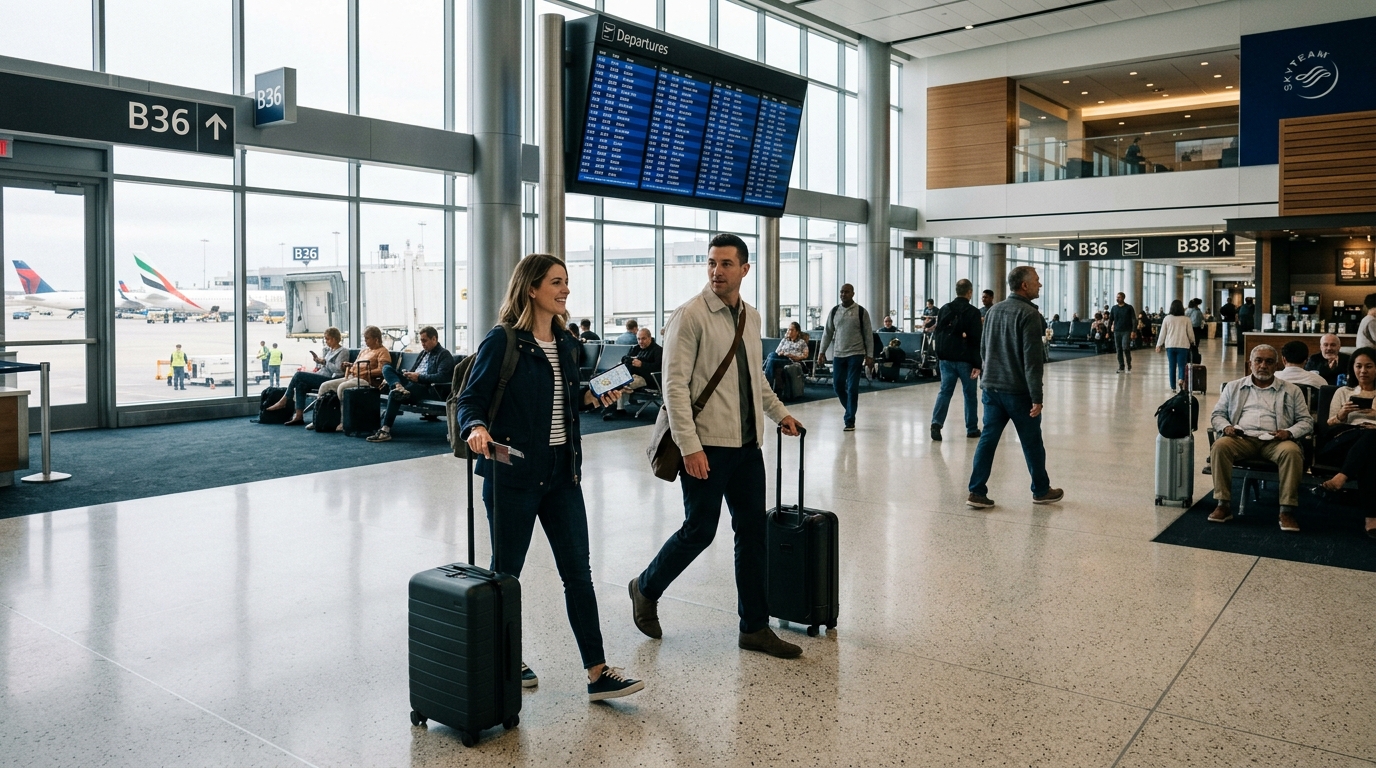
A reliable Air Travel Guide begins long before you leave home. Start with the route, airline rules, checked bag policy, and connection time. These small details shape the whole journey. If you understand them early, you reduce the risk of rushed decisions later.
Travel anxiety often comes from uncertainty, not from the flight itself. A strong Air Travel Guide lowers uncertainty by turning the trip into a sequence of simple tasks. Check your documents, confirm your schedule, and set reminders for anything that could be forgotten.
The most useful mindset is to prepare for normal travel friction, not perfection. Delays happen, weather changes, and gates move. An Air Travel Guide helps you expect those issues without letting them control your mood.
Air Travel Tips for Beginners
For new flyers, the process can feel unfamiliar, so air travel tips for beginners should stay simple and practical. First, keep your passport or ID in a safe place that you can reach quickly. Second, save your boarding pass on your phone and as a backup screenshot. Third, keep your charger, medicine, wallet, and one change of clothes in your carry-on.
Beginners should also learn the value of time buffers. A dependable Air Travel Guide always recommends arriving early because traffic, check-in lines, and security screening can be unpredictable. Extra time is not wasted time; it is protection against stress.
Another useful habit is packing less than you think you need. New travelers often overload their bags with “just in case” items. A lighter bag makes security easier, boarding faster, and movement through the airport less tiring. A good Air Travel Guide teaches confidence through simplicity. A smart Air Travel Guide keeps the day lighter. Air Travel Guide routines build confidence.
Airport Travel Guide Essentials
Every airport has its own layout, but the airport travel guide essentials stay consistent. Know your terminal, airline counter, security process, and gate area before you arrive. If you are unfamiliar with the airport, look at the map on the airline or airport app the night before your flight.
A well-designed Air Travel Guide also keeps important items separate from checked baggage. Documents, electronics, money, medicine, and basic toiletries belong in your personal item or carry-on. That way, even if a bag is delayed, you still have what you need.
The airport is a place where small errors become expensive in time and energy. That is why an Air Travel Guide should always encourage organization. Simple folders, labels, digital backups, and a pre-packed pouch for essentials can prevent last-minute panic.
How to Make Air Travel Comfortable
If you want to know how to make air travel comfortable, think beyond the seat itself. Comfort depends on clothing, hydration, sleep, posture, and how much control you have over the experience. Wear soft layers, bring socks if the plane gets cold, and choose shoes that are easy to remove.
A thoughtful Air Travel Guide also suggests seat planning. Window seats can help with rest, while aisle seats can help if you prefer easier movement. Try to match the seat to the type of flight you are taking. Long flights and short flights have different comfort needs.
Hydration matters more than many people realize. Air cabins are dry, and that can leave you feeling tired or irritated. Drink water before boarding and continue during the flight. A small bottle, a lip balm, and a light snack can improve the trip more than expensive accessories.
Flight Booking Tips and Tricks
Smart reservations matter just as much as smart packing. These flight booking tips and tricks help you spend less and avoid hidden costs. Compare dates, nearby airports, and fare rules before buying. The cheapest headline price is not always the best value once baggage and seat fees are added.
A flexible traveler can often save a lot. A useful Air Travel Guide recommends checking fare patterns over several days or weeks when your trip is not urgent. Even shifting the trip by one day can change the price enough to matter.
Do not ignore the small print. Some tickets are cheap only because they are restrictive. If changes, cancellations, or baggage are likely, compare the full cost before deciding. A strong Air Travel Guide protects your budget by looking at the whole picture, not just the number on the first screen.
Smart Flying Hacks for Frequent Travelers
Frequent travelers benefit most from repeatable systems. These smart flying hacks for frequent travelers include keeping a permanent travel kit, storing digital copies of important documents, and using the same packing layout every time. Familiar systems save time and reduce errors.
A practical Air Travel Guide also encourages routine checks before every departure. Review your flight time, baggage status, weather, and route to the airport. That simple habit can prevent many avoidable problems. This Air Travel Guide mindset keeps details under control.
Another smart move is to invest in a few comfort tools that you will actually use. Earbuds, a neck pillow, compression socks, and a refillable bottle are often more useful than trendy travel gadgets. The best Air Travel Guide focuses on usefulness, not hype.
Budget Air Travel Strategies
Flying cheaply is not about being careless. It is about making better decisions. These budget air travel strategies help you save money without making the trip miserable. Travel in lower-demand periods when possible, avoid unnecessary extras, and compare the full itinerary before booking.
Packing light is one of the strongest money-saving habits. If your fare does not include checked luggage, build your packing list around that rule from the start. A smart Air Travel Guide connects packing habits directly to cost control, because every extra kilo can affect the final price.
Loyalty points and rewards can also help, but only when they fit your actual travel plans. Use them for value, not for impulse. A practical Air Travel Guide keeps the destination and itinerary useful first, then uses rewards as a bonus.
Building a Stress-Free Travel Routine
The most relaxed travelers are usually the ones with the most repeatable habits. An Air Travel Guide becomes powerful when it turns good choices into a routine. Check documents at the same time before each trip, pack the same categories in the same order, and create a list that you reuse every flight.
Routine reduces decision fatigue. When you do not have to rethink every step, your mind stays calmer and your travel day becomes easier. That is one reason an Air Travel Guide works so well in real life. It replaces panic with familiar actions.
It also helps to stage your trip the night before. Put clothes aside, charge devices, and keep the essentials together in one place. The more you prepare in advance, the less energy you spend on the morning of departure.
What to Do at the Airport
Your airport experience becomes smoother when you move with a plan. After arrival, check in, drop bags if needed, and go through security with your documents ready. A good Air Travel Guide recommends staying aware of gate changes and boarding announcements so you do not drift into last-minute stress.
Food and water are important too. Airports are busy, and food options may not match your timing or budget. If your flight is long, bring a small snack to avoid uncomfortable hunger. That is one more reason a solid Air Travel Guide improves the trip before it even starts.
Use waiting time wisely. Review your destination details, reply to urgent messages, or simply rest. You do not need to fill every minute with activity. Sometimes the smartest Air Travel Guide choice is to slow down and conserve energy for the flight.
Psychology Behind Better Flying
Travel stress is often emotional first and logistical second. People feel uneasy when they do not know what comes next. A smart Air Travel Guide reduces that feeling by giving you a clear process. Once the process becomes familiar, confidence naturally improves.
This is why small routines work so well. Human beings relax when tasks are predictable. If you always use the same checklist, the same packing system, and the same airport habits, your mind learns that flying is under control. An Air Travel Guide is really a confidence tool.
Patience matters too. Delays, lines, and gate changes are part of modern flying. When you expect minor friction, you react with more calm and less frustration. That mental shift makes the whole trip easier.
How to Travel Better Every Time
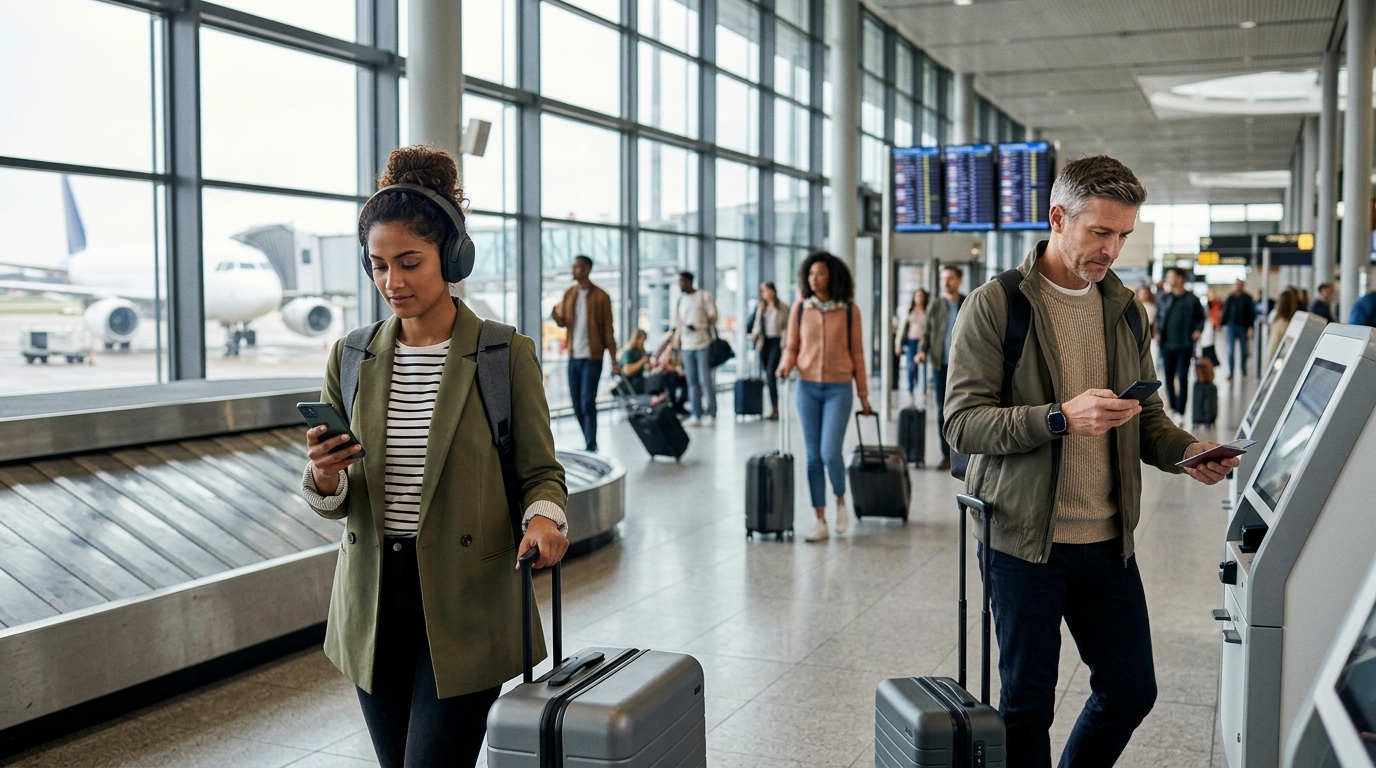
The best travelers do not depend on luck. They depend on habits that work. An Air Travel Guide helps you build those habits around planning, packing, and timing so each trip becomes easier than the last.
Over time, you learn what matters most for your own style of travel. Maybe you need a certain snack, a certain seat type, or a certain boarding strategy. That personal knowledge turns the Air Travel Guide from a general article into your own travel system.
The more you repeat that system, the less you spend on unnecessary travel mistakes. You waste less money, save more time, and feel calmer before boarding. That is the real value of a well-built Air Travel Guide.
Conclusion
Travel becomes easier when preparation replaces panic. A smart flyer does not try to control every detail; they control the details that matter most. That means booking carefully, packing lightly, arriving with a buffer, keeping documents ready, and making comfort part of the plan. Over time, these habits save time, lower costs, and reduce stress. A practical Air Travel Guide is not only about surviving the airport. This Air Travel Guide makes each step feel more manageable. It is about creating a smoother, more confident, and more enjoyable journey from the first booking step to the final arrival. When you travel with a system, every flight feels more manageable.
FAQs
1. What is the main purpose of an Air Travel Guide?
An Air Travel Guide helps travelers plan, pack, book, and move through airports with less stress and more confidence.
2. What should first-time flyers remember most?
First-time flyers should keep documents close, arrive early, and pack only the essentials. A simple Air Travel Guide is usually better than a complicated one.
3. How can I stay comfortable on a long flight?
Wear layers, drink water, choose the right seat if possible, and bring a few comfort items. A good Air Travel Guide always treats comfort as part of the plan.
4. What are the most useful airport travel guide essentials?
Passport or ID, boarding pass, charger, medicine, wallet, and a small snack are among the most useful airport travel guide essentials.
5. How do I save money on airfare?
Compare flexible dates, check nearby airports, and review all fees before paying. Strong flight booking tips and tricks focus on total cost, not just the first price you see.
6. Are budget flights always the best option?
Not always. Budget air travel strategies work best when you understand baggage rules, change fees, and seat costs before booking.
7. What helps frequent flyers the most?
Repeatable systems help the most. That is why smart flying hacks for frequent travelers focus on reusable checklists, travel kits, and digital document backups.
8. How do I avoid airport stress?
Know your terminal, leave with a buffer, and keep essentials accessible. A dependable Air Travel Guide reduces uncertainty before you reach the airport.
9. What is the easiest way to make air travel comfortable?
Use layers, hydrate well, and choose a seat that fits your preference. Learning how to make air travel comfortable is mostly about preparation.
10. Why is an Air Travel Guide useful for tourists and business travelers?
Because both groups need time, comfort, and predictability. A strong Air Travel Guide supports better decisions for every kind of trip.
