


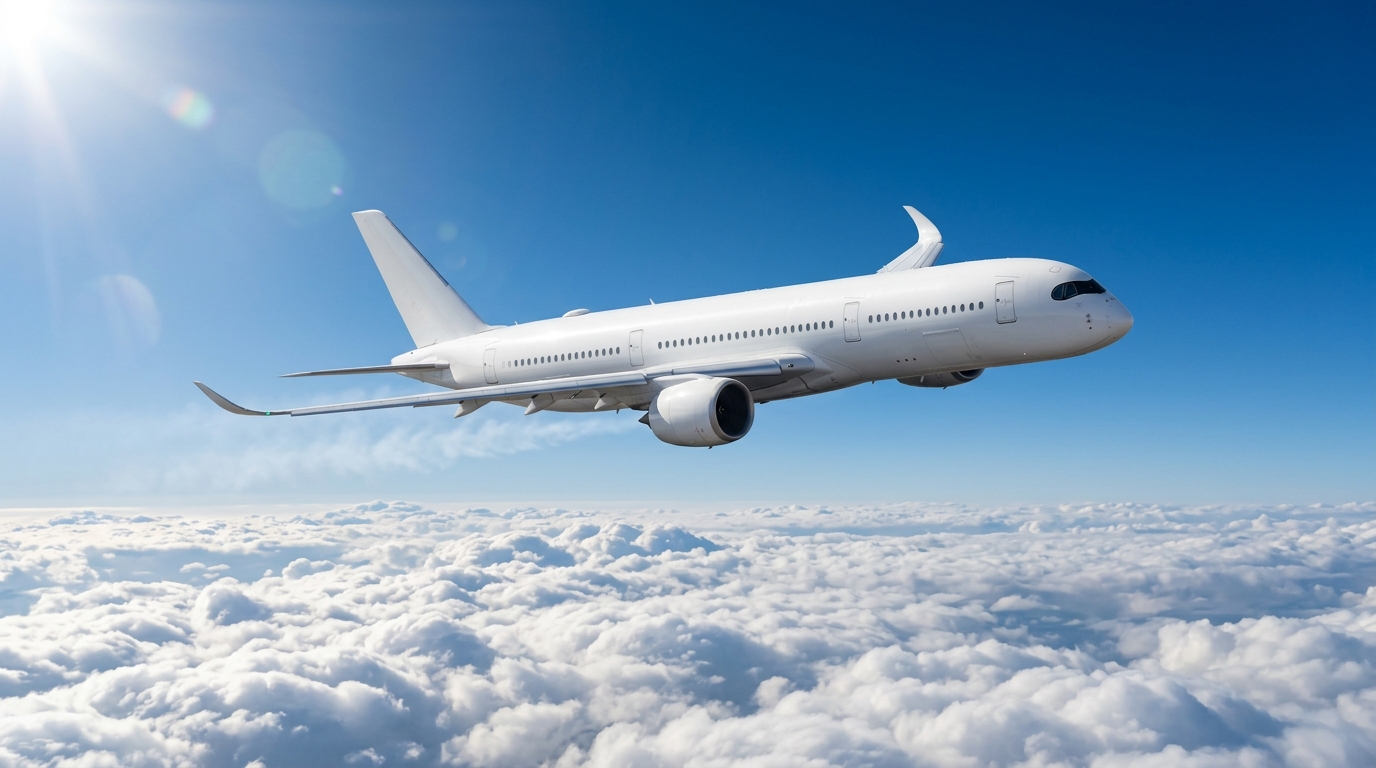
Air Travel has transformed how people move across the world, making long distances feel shorter and more accessible. This guide explains everything from how flights work to airport processes, safety rules, and smart travel strategies for beginners and frequent flyers.
Air Travel is one of the most efficient and widely used transportation methods in the modern world. Whether you are flying for the first time or you travel frequently, understanding the system behind Air Travel can make your journey smoother, less stressful, and more enjoyable.
Many people feel overwhelmed before boarding a plane, not because Air Travel is complicated, but because they do not fully understand the process. Once you learn how everything fits together, from booking a ticket to landing at your destination, Air Travel becomes far more comfortable and predictable.
What Is Air Travel and Why It Matters
To understand what is air travel, you need to think of it as a system rather than just a flight. It includes aircraft, airports, airlines, security systems, and global navigation networks that work together to transport passengers efficiently.
Air Travel matters because it connects people, businesses, and cultures across continents. It allows someone to attend a meeting in another country within hours, explore new destinations, or reunite with family members far away.
Air Travel is not just about speed. It is about accessibility and opportunity. It has changed tourism, trade, and communication in ways that no other transportation method could achieve at the same scale.
How Air Travel Works
Understanding how air travel works removes a lot of fear and uncertainty. The process starts with booking a ticket, followed by check-in, security screening, boarding, the flight itself, and finally arrival procedures.
Air Travel operates through a highly coordinated system. Airlines schedule flights, air traffic control manages aircraft movement, and airports handle passenger flow. Every part of Air Travel is designed to maintain safety, efficiency, and reliability.
Aircraft rely on engines, aerodynamics, and navigation systems to stay in the air. Pilots follow strict protocols, and advanced technology supports every stage of the journey. This makes Air Travel one of the safest transportation methods available today.
Airport Process Step by Step
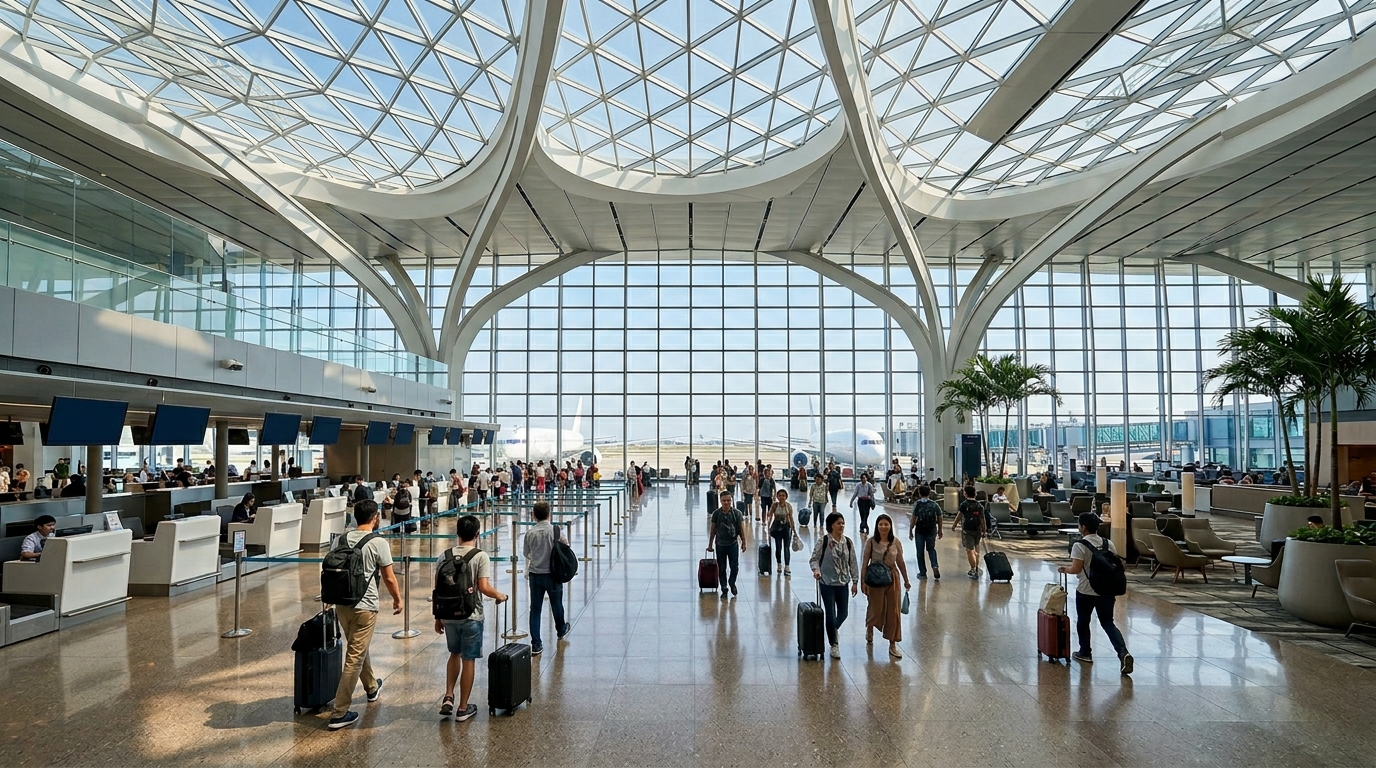
The Airport process step by step is one of the most important parts of Air Travel, especially for beginners.
1. Arrival at the Airport
You should arrive at least 2–3 hours before your flight. This gives you enough time to complete all procedures without rushing.
2. Check-in
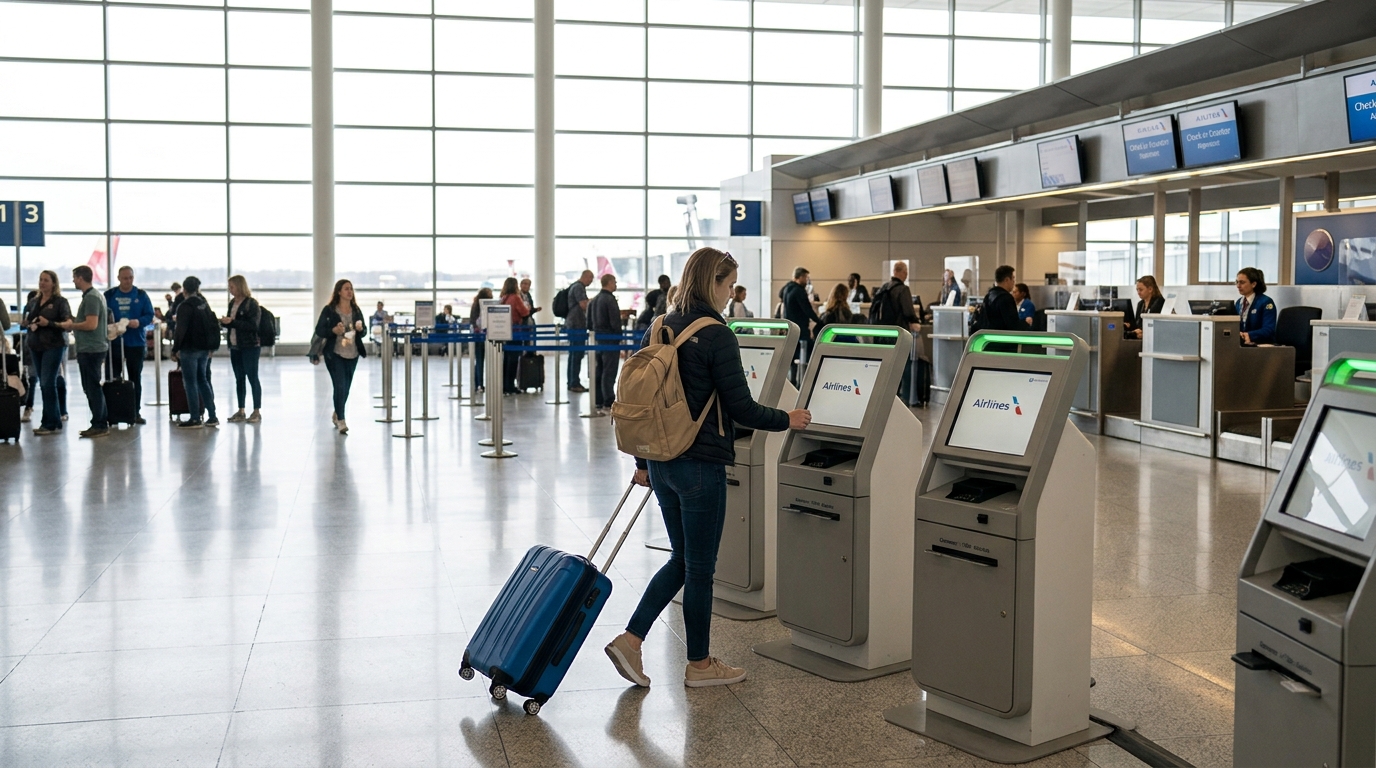
At this stage, you confirm your booking and receive your boarding pass. You may also check in your luggage.
3. Security Screening
Security checks ensure that all passengers comply with safety regulations. This is a standard part of Air Travel worldwide.
4. Immigration (for international flights)
Your documents are verified before you proceed to the boarding area.
5. Boarding
Passengers enter the aircraft in an organized sequence based on their boarding group.
6. Flight and Arrival
After landing, you go through immigration (if required) and collect your luggage.
Understanding this process makes Air Travel far less intimidating.
Benefits of Air Travel
There are many benefits of air travel, and they go beyond speed.
- Time Efficiency: Air Travel saves hours or even days compared to other transport methods.
- Global Connectivity: It connects remote and international locations easily.
- Comfort: Modern aircraft offer comfortable seating, entertainment, and services.
- Safety: Strict regulations make Air Travel highly secure.
- Business Growth: It supports global trade and tourism.
Air Travel is often the best choice when distance and time are important factors.
Air Travel vs Road Travel
When comparing air travel vs road travel, the difference becomes clear based on purpose and distance.
| Factor | Air Travel | Road Travel |
|---|---|---|
| Speed | Very fast | Slow to moderate |
| Cost | Higher | Lower |
| Comfort | High (long distance) | Depends on vehicle |
| Flexibility | Limited schedule | High flexibility |
| Distance | Best for long trips | Best for short trips |
Air Travel is ideal for long-distance journeys, while road travel works better for short, flexible trips.
Air Travel Safety Rules Explained
Air Travel Safety Rules Explained simply means understanding the guidelines designed to protect passengers.
These include:
- Carry-on restrictions (liquids, sharp objects)
- Seatbelt usage during takeoff and landing
- Electronic device regulations
- Emergency instructions from the crew
Air Travel safety rules may seem strict, but they are essential. They ensure that every passenger reaches their destination safely.
Psychological Side of Air Travel
Air Travel is not just physical movement. It also affects emotions and mindset. Some people feel excitement, while others feel anxiety.
Fear of flying is common, but understanding the system reduces that fear. When people know how Air Travel works, they feel more in control.
Confidence in Air Travel grows with experience. The more you travel, the more familiar and comfortable the process becomes.
Smart Tips for First-Time Travelers
Air Travel becomes easier when you follow a few practical strategies:
- Arrive early to avoid stress
- Keep documents organized
- Pack light and smart
- Follow airport signs carefully
- Listen to announcements
Air Travel rewards preparation. A well-prepared traveler always has a smoother journey.
Air Traveling and Modern Lifestyle
Air Traveling has become a normal part of modern life. People travel for work, education, tourism, and personal reasons.
Air Travel supports a fast-paced world where time is valuable. It allows individuals to explore once unreachable opportunities.
Interestingly, even lifestyle content like Tracee Ellis Ross travel series episodes reflects how travel is becoming more personal and experience-driven rather than just functional.
Common Mistakes to Avoid
Many travelers make small mistakes that affect their Air Travel experience:
- Arriving late at the airport
- Ignoring baggage rules
- Not checking documents
- Overpacking
- Missing announcements
Avoiding these mistakes can make Air Travel smooth and stress-free.
How to Make Air Travel More Comfortable
Comfort plays a major role in Air Travel satisfaction.
- Choose the right seat
- Wear comfortable clothing
- Stay hydrated
- Bring entertainment
- Use neck pillows for long flights
Air Travel becomes more enjoyable when you focus on comfort and preparation.
Future of Air Travel
Air Travel continues to evolve with technology. Faster aircraft, better fuel efficiency, and improved passenger experience are shaping the future.
Sustainability is also becoming important. Airlines are working to reduce environmental impact while maintaining the benefits of Air Travel.
The future of Air Travel looks more efficient, more comfortable, and more accessible.
Choosing the Right Airline and Ticket Type
Air Travel becomes easier when you choose the right airline and ticket. Different airlines offer different levels of comfort, pricing, and services. Budget airlines are cheaper but may charge extra for baggage, meals, or seat selection. Full-service airlines include more benefits but cost more. Always compare flight duration, layovers, and customer reviews before booking. Ticket types such as economy, premium economy, business, and first class also affect your experience. Understanding these options helps you make smarter decisions and improves your overall Air Travel experience without unnecessary costs.
Understanding Layovers and Connecting Flights
Air Travel often includes layovers, especially for international trips. A layover is a stop between your starting point and final destination. Short layovers save time but can feel rushed, while longer layovers provide flexibility and reduce stress. Always check if you need to change terminals or go through security again. Missing a connecting flight can disrupt your entire Air Travel plan, so choosing the right connection time is important. Planning ahead and understanding airport layouts can make connecting flights smooth and stress-free.
Managing Flight Delays and Cancellations
Delays and cancellations are sometimes unavoidable in Air Travel due to weather, technical issues, or operational challenges. The best approach is to stay informed through airline apps or airport announcements. If your flight is delayed, airlines often provide rebooking options or assistance. Carry essential items like snacks, chargers, and important documents in your cabin bag to handle unexpected situations. Travel insurance can also help cover additional expenses. Staying calm and prepared ensures that delays do not ruin your overall Air Travel experience.
Air Travel Etiquette and Passenger Behaviour
Good etiquette plays an important role in Air Travel. Respecting fellow passengers and crew members helps create a comfortable environment for everyone. Simple actions like boarding on time, keeping noise levels low, and following seat rules make a big difference. Avoid blocking aisles, respect personal space, and follow crew instructions carefully. Air Travel etiquette is especially important on long flights, where comfort matters more. Being polite and cooperative not only improves your own journey but also makes the experience better for others around you.
Conclusion
Air Travel has changed the way people experience distance, making the world more connected and accessible than ever before. From understanding how flights operate to navigating airports and following safety rules, every part of the process becomes easier with knowledge. When travelers focus on preparation, clarity, and comfort, flying turns into a smooth and even enjoyable experience. Whether you are traveling for business, leisure, or personal reasons, Air Travel offers speed, reliability, and global reach that no other method can match. With the right mindset and awareness, anyone can master Air Travel and make every journey more confident and stress-free.
FAQ
1. What is Air Travel?
Air Travel refers to the movement of passengers or cargo from one place to another using aircraft such as airplanes or helicopters. It is a highly organized system that includes airlines, airports, air traffic control, and safety regulations. Air Travel is mainly used for long-distance journeys because it is the fastest way to connect cities, countries, and continents.
2. Is Air Travel safe?
Yes, Air Travel is considered one of the safest forms of transportation in the world. Airlines follow strict international safety standards set by organizations like International Civil Aviation Organization. Aircraft are regularly inspected, pilots are highly trained, and advanced technology monitors every flight. While accidents are extremely rare, multiple safety layers ensure passenger protection at all times.
3. How early should I arrive at the airport?
For domestic Air Travel, arriving at least 2 hours before departure is recommended. For international flights, you should arrive 3 hours early. This allows enough time for check-in, baggage drop, security screening, and boarding. Arriving early reduces stress and helps you handle unexpected delays smoothly.
4. What documents are needed for Air Travel?
The required documents depend on your destination. For domestic Air Travel, a valid government-issued ID and boarding pass are usually enough. For international travel, you need a passport, a visa (if required), and sometimes additional documents like vaccination certificates. Always double-check airline and country requirements before your trip.
5. Can I carry liquids on a plane?
Yes, but there are restrictions. Most airports follow the “100 ml rule,” meaning liquids must be in containers of 100 ml or less and placed in a transparent, resealable bag. This rule is part of global Air Travel security standards to ensure safety. Items like medicines and baby food may have exceptions, but they may require inspection.
6. What is the baggage limit?
Baggage limits vary depending on the airline, ticket type, and route. Typically, passengers can carry one cabin bag and one personal item, while checked baggage usually has a weight limit between 20–30 kg. Low-cost airlines may have stricter rules. Always check your airline’s baggage policy to avoid extra fees during Air Travel.
7. How does Air Travel work?
Air Travel works through a coordinated system involving booking a ticket, checking in at the airport, passing through security, boarding the aircraft, flying to your destination, and completing arrival procedures. Behind the scenes, air traffic controllers manage flight paths, while airline staff ensure smooth operations. This structured process keeps Air Travel efficient and organized worldwide.
8. Is Air Travel better than road travel?
Air Travel is generally better for long distances because it saves time and reduces fatigue. However, road travel can be more flexible and cost-effective for short trips. The choice depends on your travel purpose, budget, and time availability. For international or cross-country journeys, Air Travel is usually the preferred option.
9. What should I pack for a flight?
For a smooth Air Travel experience, pack essentials such as travel documents, comfortable clothing, personal hygiene items, chargers, and any necessary medications. It is also helpful to carry snacks, a water bottle (empty before security), and entertainment like books or headphones. Smart packing ensures convenience during your journey.
10. Can beginners handle Air Travel easily?
Yes, beginners can manage Air Travel without difficulty if they prepare in advance. Understanding the airport process, arriving early, and following instructions from airport staff make everything easier. With a little planning and awareness, Air Travel becomes a simple and stress-free experience even for first-time travelers.
