


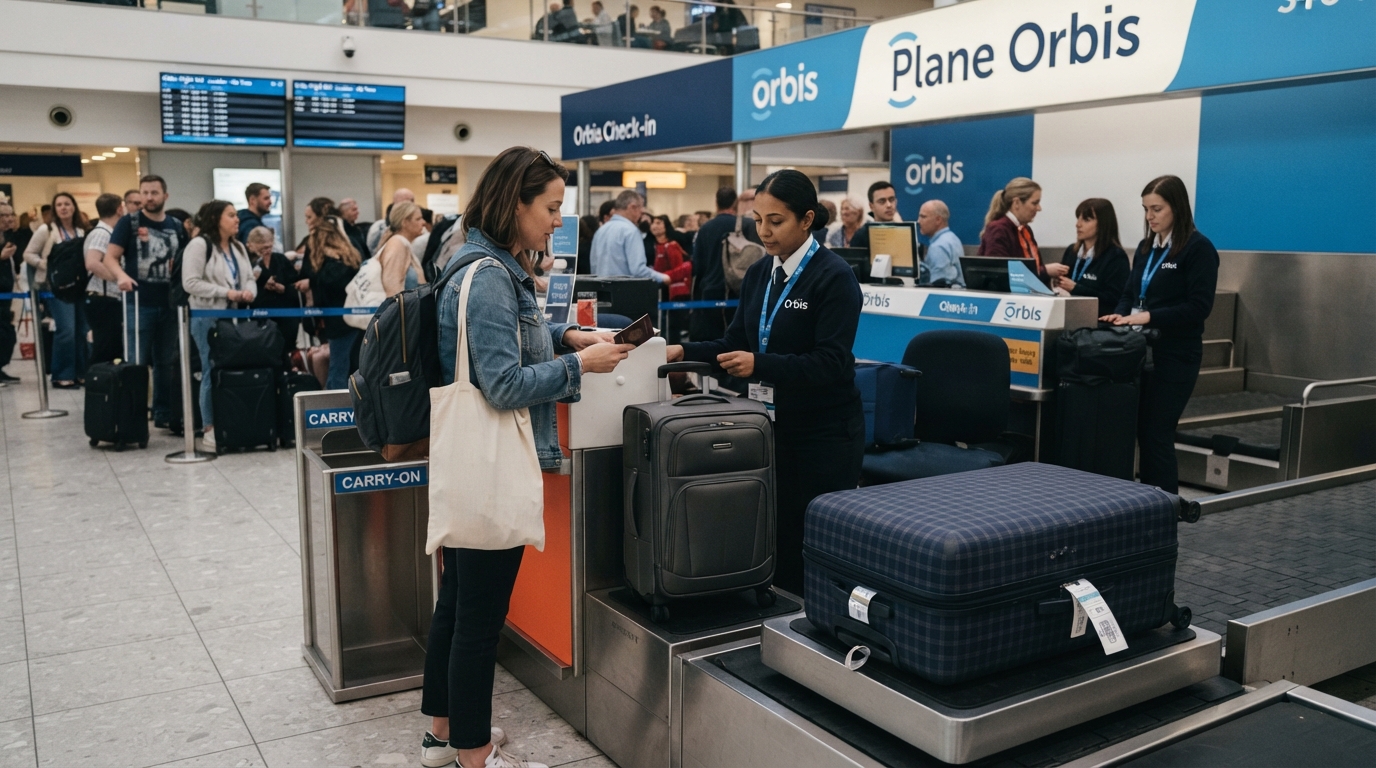
This Plane Orbis Baggage Allowance Guide helps travelers pack smarter, avoid surprise fees, understand airline policies, and plan confidently for smooth check-in and stress-free boarding.
Travel should feel exciting, not confusing. Yet many passengers only think about luggage when they reach the airport and face extra fees, repacking stress, or policy surprises. This Baggage Allowance Guide is designed to remove that anxiety before it starts. When you understand what you can bring, how much it can weigh, and which items belong in the cabin or hold, your journey becomes smoother from the first packing decision to the final boarding call.
In this Baggage Allowance Guide, you will learn how airline rules usually work, why baggage policies differ by route and cabin class, and how to prepare for domestic and international travel without losing time or money. You will also see how to compare allowances, avoid common mistakes, and pack with confidence for short trips, business travel, family vacations, and long-haul flights. By the end, you will have a practical system that makes luggage planning easier every time you fly.
What Baggage Allowance Really Means
The phrase baggage allowance refers to the amount of luggage an airline lets you carry without paying extra. It usually includes rules for size, weight, number of bags, and item type. Some tickets include a carry-on bag and a personal item, while others also include checked luggage. The exact rules depend on the airline, the ticket class, the route, and sometimes even the type of aircraft.
A reliable Baggage Allowance Guide should explain that no single rule applies to every flight. One airline may allow a generous cabin bag, while another may be strict about dimensions even if the bag is light enough. Another may permit a free checked bag on international routes but charge for it on domestic flights. Knowing this in advance helps you avoid misunderstandings at the airport and choose the right fare from the start.
Why Travelers Need to Check Policies Before Booking
Many passengers compare ticket prices but ignore luggage rules until it is too late. That can turn a cheap fare into an expensive trip once baggage charges are added. A smart Baggage Allowance Guide helps you think beyond the base ticket and consider the full cost of travel. This matters especially for families, students, business travelers, and anyone carrying gifts, equipment, or winter clothes.
Airlines also change baggage rules from time to time. Promotions may include extra allowance, basic economy fares may remove checked baggage, and premium fares may include additional benefits. Before booking, review the allowance carefully so you can match the ticket to your packing needs. That simple step can save money and reduce airport stress.
How Airlines Usually Structure Baggage Rules
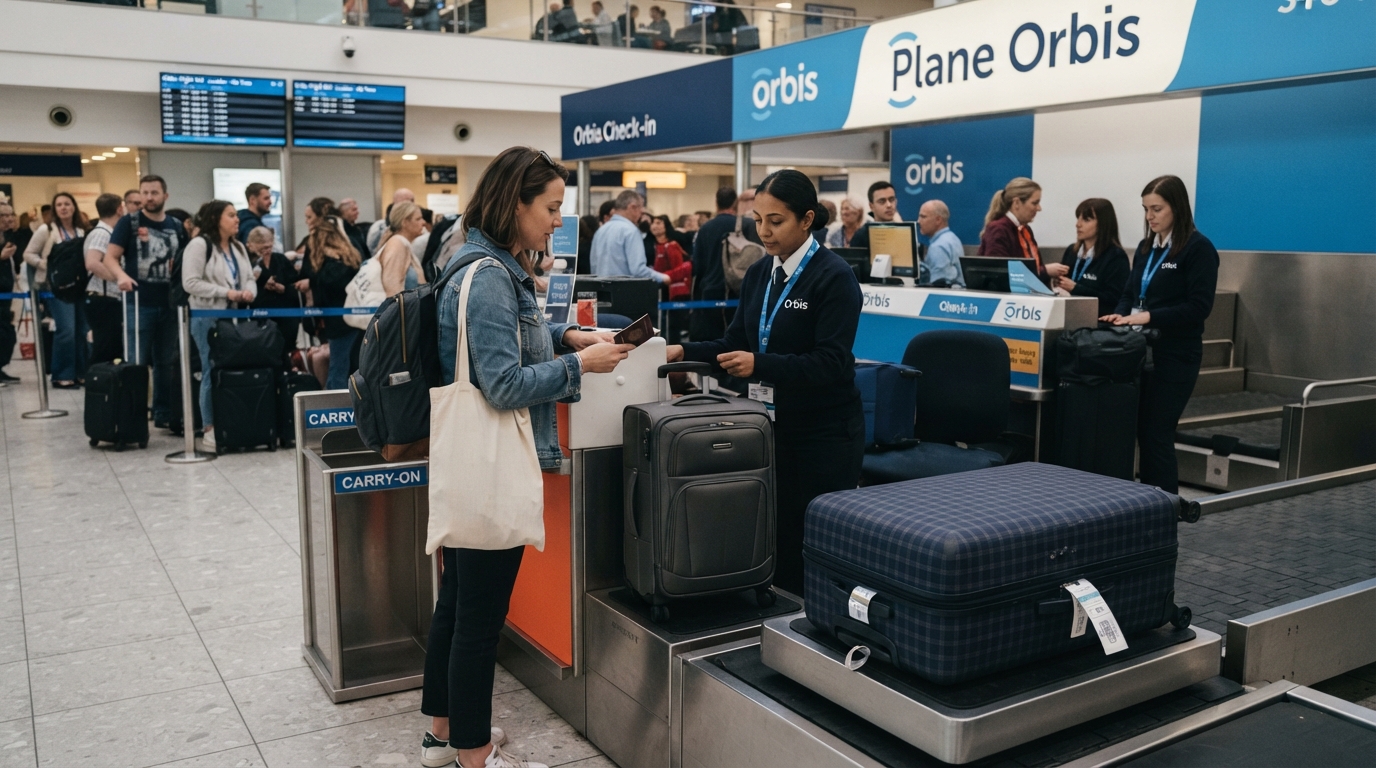
Most airlines divide baggage into a few main categories. The first is the small item you keep under the seat. The second is the larger cabin bag you place in the overhead bin. The third is checked luggage that goes into the aircraft hold. Some tickets include all three, while others include only one or two.
This Baggage Allowance Guide also shows that restrictions often vary by route. Domestic fares may be more minimal, while long-haul international tickets can include more generous luggage options. Low-cost carriers often price tickets more simply and add charges for bags, while legacy airlines may bundle more into the fare. Understanding these differences helps you compare offers correctly instead of focusing only on headline price.
Carry-On Baggage Rules
Carry-on baggage rules determine what you can bring into the cabin with you. These rules usually cover bag size, weight, and the number of items allowed. In many cases, passengers can bring one larger cabin bag plus one smaller personal item, but some airlines allow only one small bag on the cheapest fare types.
A good Baggage Allowance Guide should remind travelers that carry-on space is shared. Even if your bag meets the listed size, a full flight may lead to gate checking if overhead bins fill up. It is wise to keep essentials such as medication, documents, electronics, and valuables in the smaller item that stays with you throughout the trip.
Carry-on rules are especially important for travelers with short layovers. If you can keep everything in the cabin, you save time on arrival and reduce the risk of baggage delays. For business trips and weekend travel, a well-packed cabin bag can be the easiest option.
Cabin Baggage Size Limits
Cabin baggage size limits are usually expressed in centimeters or inches and may include handles and wheels. Because every airline defines measurements differently, a bag that fits one carrier may be too large for another. That is why checking the exact measurement is more important than guessing by eye.
Cabin baggage size limits should be checked before every trip, especially if you use a bag with expandable zippers. Expansion can push the bag beyond the permitted dimensions. Soft-sided bags may seem flexible, but they can still fail the airline’s sizing test if overpacked. To avoid trouble, measure your bag when it is full, not when it is empty.
For many travelers, a compact spinner suitcase or duffel works well for short trips. For others, a backpack-style cabin bag is more practical because it fits under the seat and keeps hands free. The right choice depends on your route, packing style, and how much you want to carry during the journey.
Personal Item Size Guide
A personal item is smaller than a carry-on and is usually meant to fit under the seat in front of you. It may be a handbag, laptop bag, compact backpack, or small briefcase. The exact size limit varies by airline, but the purpose is the same: to keep one essential item close at hand.
The personal item size guide matters because this bag often holds your most important travel needs. Documents, chargers, medication, headphones, snacks, and a small water bottle can all fit here. If you pack wisely, your personal item can reduce the need to open the overhead bin during the flight and make boarding more efficient.
Many travelers underestimate how useful a personal item can be. A well-organized bag keeps your flight smoother and helps you stay calm when cabin space is tight. It also gives you a backup option if your main cabin bag must be gate-checked.
Checked Baggage Allowance
Checked baggage allowance covers the bags you hand over at the counter or drop at the baggage desk. These bags travel in the aircraft hold and are usually larger and heavier than cabin luggage. The number of checked bags included can differ widely by airline and fare type.
This Baggage Allowance Guide recommends checking both the maximum weight per bag and the total number of bags allowed. Some airlines permit one checked bag up to a certain weight, while others allow two bags with different limits. A few low-cost carriers sell checked bags as add-ons, which makes pre-planning essential.
Checked luggage is often the best choice for long trips, family travel, and journeys with bulky items. It is also useful if you need to carry liquids, sports gear, or gifts that cannot fit in the cabin. Still, you should label each bag clearly and keep anything essential in your carry-on in case your checked luggage is delayed.
Baggage Weight Limits
Baggage weight limits are one of the most important parts of any airline policy. Even a bag that looks small can become expensive if it exceeds the allowed weight. Air carriers often charge by kilogram or pound for overweight luggage, and these charges can be significant.
Weight limits apply to both checked and carry-on bags, though the cabin allowance is usually stricter. A bag that is technically allowed by size may still be rejected if it is too heavy to lift into the overhead compartment safely. That is why a portable luggage scale can be a smart travel tool. It helps you check your bags at home and make adjustments before reaching the airport.
Packing with weight in mind also improves comfort. Distributing heavy items such as shoes, books, and chargers across different bags can make your luggage easier to move and can help you stay within the rules. That kind of planning saves both money and energy.
Airline Luggage Restrictions
Airline luggage restrictions cover the items you cannot pack, the conditions for packing certain items, and the structural limits on your bags. Sharp tools, flammable items, and some batteries may be restricted or banned entirely, while fragile items may need special handling. Some airlines also restrict oversized bags, damaged luggage, or bags without proper closure.
A thoughtful Baggage Allowance Guide should encourage travelers to check restricted item lists before packing. This is especially important for electronics, beauty products, food items, and gifts. A bottle of liquid may be acceptable in checked luggage but not in cabin luggage, and a power bank may need to stay in the cabin. Following these rules protects your belongings and avoids delays at security or check-in.
If you travel often, it helps to create a reusable packing checklist. That way, you do not need to rethink every trip from scratch. You simply review the list, confirm what is allowed, and pack with fewer mistakes.
Excess Baggage Fees
Excess baggage fees are the extra charges you pay when your luggage goes beyond the included allowance. These fees can apply if your bag is overweight, oversized, or if you bring more bags than your ticket allows. In some cases, the cost of excess baggage can be high enough to change how you pack or even how you book your ticket.
A practical Baggage Allowance Guide should advise travelers to compare baggage prices before travel day. Paying for extra luggage online is often cheaper than paying at the airport. If you already know you will need additional space, purchasing it early can protect your budget and reduce check-in stress.
There is also a psychological side to excess fees. Many passengers feel rushed when standing at the counter and then pay more than they planned. Avoiding that situation starts at home, where you can weigh your bags, remove unnecessary items, and pack strategically. Small decisions before departure often create a much calmer airport experience.
Domestic Flight Baggage Allowance
Domestic flight baggage allowance is often simpler than international policy, but it can still vary from airline to airline. Some carriers include only a small cabin bag on the lowest fares, while others include a checked bag even on short routes. The best approach is to compare the fare and the baggage rules together rather than separately.
For domestic travel, people often pack lighter because trips are shorter and transfers are easier. However, domestic flight baggage allowance still matters if you are traveling with equipment, gifts, or family luggage. A weekend trip can become expensive if everyone needs a checked bag and the fare does not include one.
If your domestic route is served by both low-cost and full-service airlines, look beyond the ticket price. One airline may appear cheaper at first but become more expensive once luggage is added. A clear comparison helps you choose the option that truly fits your travel plan.
International Flight Baggage Rules
International flight baggage rules are often more generous than domestic ones, especially on long-haul routes. Airlines may include a larger checked allowance, a cabin bag, and sometimes an additional personal item. Still, these benefits are not universal, and certain fare classes may be more restrictive.
This Baggage Allowance Guide suggests reviewing international rules with extra care because route length, destination, and airline alliance partnerships can all affect what you get. A ticket booked through one carrier may be operated by another, and the baggage rules may follow the operating airline rather than the marketing airline. That detail is easy to miss but very important.
International travel also creates more packing pressure. You may need clothes for changing weather, gifts, documents, and personal items for long flights. Planning in advance helps you avoid overpacking while still bringing everything you need.
How to Choose the Right Bag for Your Trip
Choosing the right bag is about more than style. It affects whether you can meet size limits, stay under weight restrictions, and move comfortably through airports. A structured suitcase may protect clothing better, while a soft backpack can be easier for short trips or multi-stop travel.
A useful Baggage Allowance Guide should tell you to think about trip length, destination, and transport style. If you are moving through trains, buses, or small airports, a lighter bag may be best. If you are checking the bag, a durable suitcase with strong zippers and wheels may be the smarter choice. The right bag reduces friction at every stage of travel.
Packing Smart to Stay Within Allowance
Packing smart means removing unnecessary items, using space efficiently, and keeping heavy items under control. One simple method is to build outfits around versatile clothing pieces instead of packing separate looks for every possible occasion. Another is to use packing cubes so you can organize items and fit them more neatly into your luggage.
A Baggage Allowance Guide becomes truly helpful when it teaches travelers to pack with purpose. Start with essentials, then add items based on actual need rather than fear of forgetting something. Many people pack for emergencies that never happen, which leads to heavier bags and higher costs. A better approach is to think in categories: documents, clothing, toiletries, electronics, and personal items.
You can also wear your heaviest items during travel, such as a coat or boots, if appropriate. This keeps weight out of the suitcase and frees room for other belongings. The goal is not to pack the most, but to pack the right things well.
Common Mistakes Travelers Make
One common mistake is assuming all airlines have the same rules. They do not. Another is using an old suitcase without checking whether it still fits current size requirements. A third mistake is waiting until the airport to weigh baggage, which leaves little room for adjustment.
A strong Baggage Allowance Guide also warns against overfilling pockets, stuffing fragile items loosely, or forgetting that liquids, batteries, and sharp objects can trigger security issues. Travelers sometimes focus on making the bag look neat rather than ensuring it is compliant. Compliance is what matters most.
Another frequent mistake is forgetting that baggage rules can change with fare class. A basic ticket may look attractive until you realize it excludes baggage that you assumed was included. Reading the details now prevents frustration later.
Using a Table to Compare Baggage Decisions
| Travel Situation | Best Bag Choice | What to Check First | Why It Matters |
|---|---|---|---|
| Weekend city break | Cabin bag | Size and weight | Fast, light, simple |
| Business trip | Cabin bag + personal item | Laptop and document space | Easy access to essentials |
| Family vacation | Checked bag | Total allowance and fees | Better for bulkier items |
| Long-haul journey | Checked + cabin combo | Route-specific rules | More comfort and flexibility |
| Budget trip | Minimal carry-on | Fare inclusions | Helps avoid extra charges |
This table is not a replacement for airline policy, but it gives you a quick decision frame. A Baggage Allowance Guide works best when it turns airline language into clear travel choices. Once you know the purpose of each bag, packing becomes easier and more deliberate.
Airport Check-In and Security Tips
At the airport, small preparation saves time. Keep your travel documents accessible, make sure your bag is closed properly, and remove anything that might delay screening. If you expect your bag to be weighed, arrive with enough time to make changes calmly instead of rushing.
This Baggage Allowance Guide also recommends keeping valuables, medicines, and irreplaceable items with you in the cabin. Even when checked luggage is safe, delays can happen. The smartest travelers assume that baggage should be organized for both convenience and backup.
Security screening can also be smoother when you know what is inside each bag. A well-organized personal item size guide helps you place electronics, liquids, and travel essentials where they can be reached easily. That simple habit reduces stress and speeds up the process.
Special Situations That Change Allowance Needs
Not every trip looks the same. Students may need more luggage for books and supplies. Parents may carry extra clothing and child essentials. Sports travelers may need equipment space. Gift travelers may need room for fragile purchases.
In these situations, a flexible Baggage Allowance Guide becomes even more useful. It helps you decide whether to pay for extra allowance, redistribute items between passengers, or ship some belongings separately. The right choice depends on cost, convenience, and how important each item is to the trip.
Travelers with connecting flights should also be cautious. If one leg is on a different airline, baggage rules may not match perfectly. That is why reading the full itinerary matters. The more complex the journey, the more valuable planning becomes.
Why the Cheapest Ticket Is Not Always Cheapest
A low fare can be attractive at first glance, but it may not be the best value once baggage is added. The real price of travel includes the fare, seat selection, and luggage. Once those are combined, a slightly more expensive ticket may actually be the smarter choice.
This is where a Baggage Allowance Guide supports better decision-making. Instead of chasing the lowest headline fare, you can compare the total cost of your trip. That approach reduces regret and gives you more control over your budget.
Travelers often feel disappointed after booking a “cheap” ticket only to discover added charges later. Avoiding that frustration is one of the biggest benefits of understanding baggage rules early.
Practical Packing Checklist
Before you leave, confirm your passport or ID, boarding pass, wallet, phone charger, medication, and essential toiletries. Then review the clothing you actually need and remove extras you are unlikely to use. Weigh the bag one final time if possible.
This Baggage Allowance Guide encourages a checklist mindset because checklists reduce mistakes. When the packing process is repetitive, a list prevents last-minute panic. It also helps you travel with a lighter bag and a clearer mind.
How to Stay Calm When Rules Seem Confusing
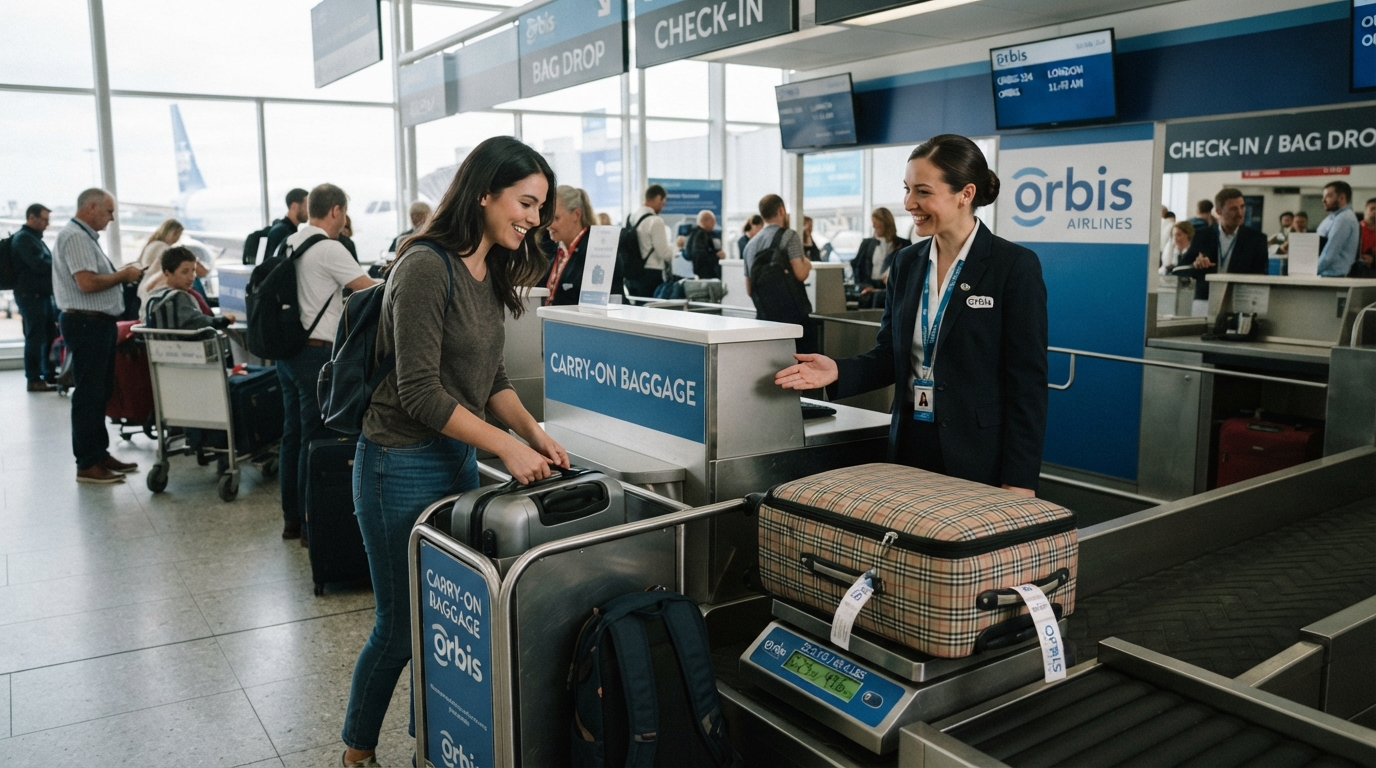
Airline baggage policies can feel technical, but they become manageable when you break them into parts. Ask three questions: What can I bring? How much can it weigh? Where does it go? Once you answer those, most confusion disappears.
A patient Baggage Allowance Guide should remind you that travel is easier when you do not leave baggage planning to the last minute. The more prepared you are, the less likely you are to feel surprised, rushed, or embarrassed at the counter. Calm preparation often leads to a better journey than trying to fix problems under pressure.
Final Travel Advice Before You Fly
Before every trip, review your booking, check the airline website, and confirm whether your route has special baggage conditions. If the trip includes a connection, confirm the allowance for each segment. If you are uncertain, contact the airline before departure rather than guessing.
The smartest travelers treat luggage as part of trip planning, not an afterthought. A well-used Baggage Allowance Guide can save money, protect your belongings, and make the airport process feel much easier. Once you build this habit, packing becomes less stressful and travel becomes more enjoyable.
Conclusion
A good trip starts with good preparation, and baggage planning is one of the easiest ways to make flying smoother. When you understand size limits, weight rules, checked bag details, and route differences, you avoid unnecessary fees and last-minute stress. The best travelers do not just pack more carefully; they plan more carefully. That mindset helps you choose the right fare, protect your essentials, and move through the airport with confidence. Use these tips before every flight, and your next journey will feel more organized, efficient, and comfortable from start to finish.
FAQ
1. What is a baggage allowance?
A baggage allowance is the amount of luggage an airline lets you carry without extra charges. It usually includes limits for size, weight, and number of bags.
2. Does every airline allow the same carry-on bag?
No. Carry-on baggage rules differ by airline, route, and fare class. Always check the exact policy before you travel.
3. What happens if my bag is overweight?
If your bag exceeds the limit, the airline may charge excess baggage fees. In some cases, you may need to remove items or repack at the airport.
4. Is a personal item the same as a carry-on?
No. A personal item is usually smaller and must fit under the seat, while a carry-on bag is larger and often goes in the overhead bin.
5. Are checked bags always included?
No. Checked baggage allowance depends on the airline and ticket type. Some fares include it, while others charge separately.
6. Do domestic and international flights have different baggage rules?
Yes. Domestic flight baggage allowance is often more limited, while international flight baggage rules may include larger or additional bags.
7. Can I bring liquids in my cabin bag?
Usually yes, but only within security limits. Check the airline and airport rules before packing liquids.
8. What is the best way to avoid baggage fees?
Weigh your bags before leaving home, compare fare types carefully, and buy extra allowance in advance if needed.
9. Why do baggage policies change so often?
Airlines adjust policies based on route, fare structure, competition, and operational needs. That is why checking before each trip is important.
10. What should I check first before packing?
Start with the airline’s size and weight rules, then review what is allowed in the cabin and what must be checked.
