


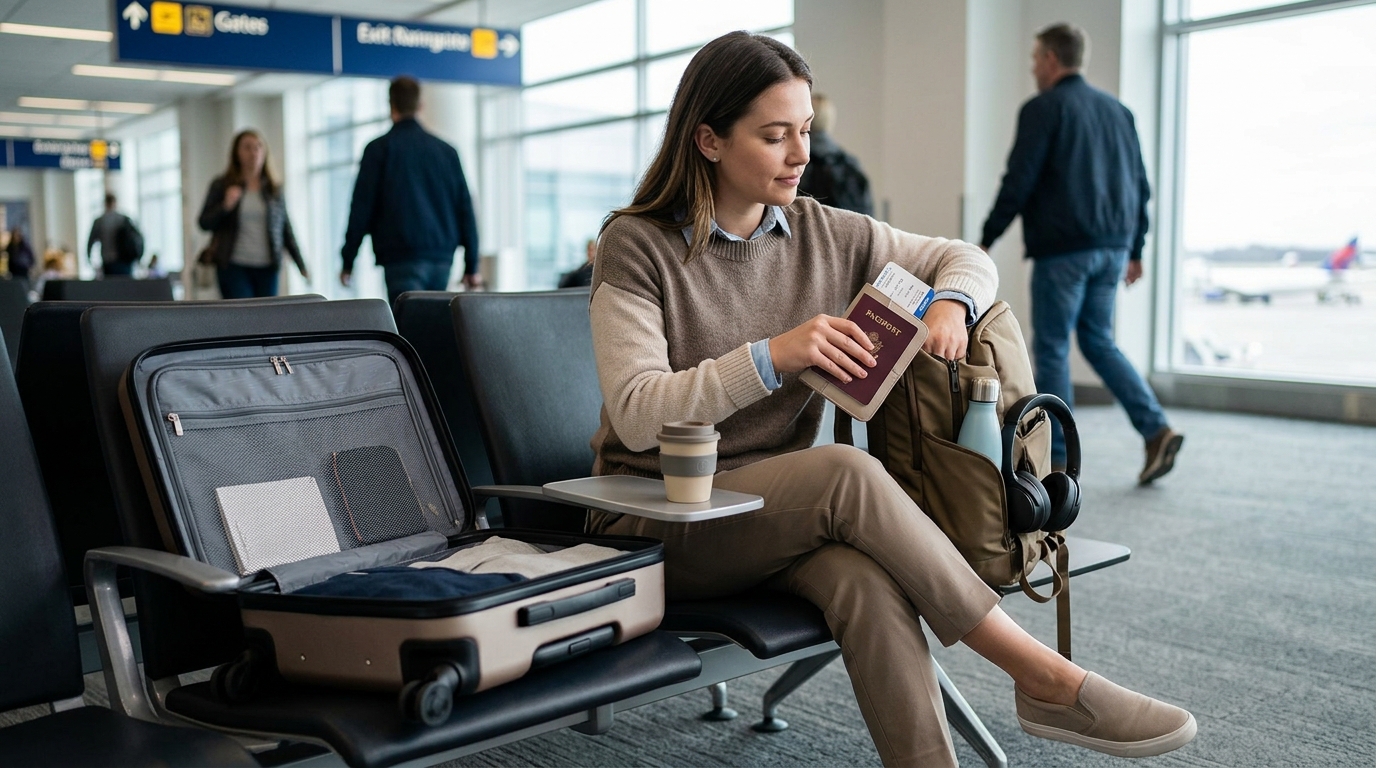
Prepare for Air Travel with calm, organized steps that reduce stress before you leave home. This guide shows how to pack better, move through the airport with confidence, stay comfortable in the air, and avoid common mistakes so every trip feels smoother from start to finish.
Why Preparation Changes the Whole Flight Experience
When you Prepare for Air Travel the right way, the trip becomes much easier before the plane even takes off. Most travel stress does not come from the flight itself. It comes from rushing, forgetting documents, overpacking, poor timing, and not knowing what to expect. A strong plan removes confusion and gives you control.
Prepare for Air Travel with the mindset that every smooth trip starts at home. Good preparation helps you save time, protect your budget, lower anxiety, and arrive at the airport feeling ready instead of reactive. That is why smart travelers treat preparation as part of the journey, not an extra chore.
People often think air travel is stressful because airports are busy and flights can feel unpredictable. In reality, most problems are manageable with a few simple habits. If you Prepare for Air Travel in a thoughtful way, you create space for flexibility, comfort, and peace of mind.
Start with a Travel Plan That Matches Your Trip
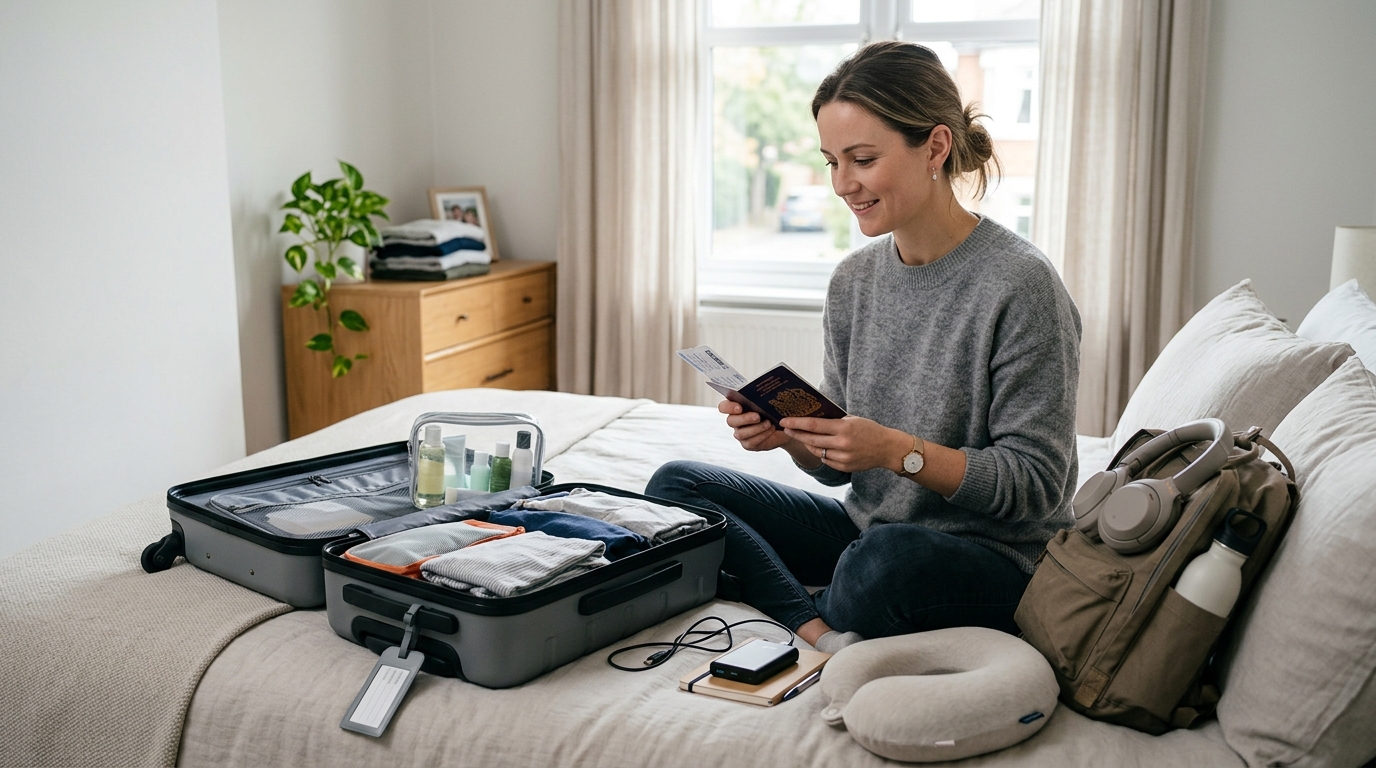
Before you pack a single bag, take a few minutes to map out the trip itself. Prepare for Air Travel by checking your departure time, terminal, baggage rules, weather at your destination, and the length of your journey. These small details shape every choice you make later.
Think Through the Purpose of the Trip
A business trip, family visit, weekend city break, or long international journey all require different preparation. When you Prepare for Air Travel based on the purpose of the trip, you avoid carrying things you do not need and remember the things that matter most. A work trip may need chargers and formalwear, while a vacation may require more flexible clothing and entertainment.
Build a Simple Timeline
One of the best forms of smart travel planning is a basic timeline. Decide what needs to happen three days before departure, one day before departure, and the morning of the flight. This makes the process feel manageable instead of overwhelming. When you prepare for Air Travel with a timeline, you reduce last-minute panic and keep every task visible.
Gather Documents Before Anything Else
The most important part of easy flight preparation is making sure your travel documents are ready and easy to find. Keep your passport, ID, boarding pass, visa if needed, hotel details, and travel insurance information together in one place.
If you travel internationally, check document validity early. Many countries require passports to remain valid for months after arrival. If you prepare for Air Travel without checking this detail, you may run into problems before you even reach the airport. Keep digital backups of key documents on your phone or cloud storage, but also carry physical copies when necessary.
Pack in a Way That Reduces Stress
Packing is where many travelers create their own pressure. The best way to Prepare for Air Travel is to pack with purpose, not emotion. Do not pack for every possible situation. Pack for the actual trip.
Build a Carry-On Strategy
Your carry-on should protect the items you cannot afford to lose or check. That means travel documents, medication, electronics, chargers, valuables, a water bottle after security, and one change of clothes if the trip is important. When you Prepare for Air Travel this way, you give yourself a safety net in case your checked luggage is delayed.
Use a Simple Packing System
A packing system saves time and mental energy. Group items by category: clothing, toiletries, electronics, documents, and comfort items. This is where travel organization tips matter most. Instead of tossing everything into a suitcase at the last minute, sort items before packing and keep like items together.
Build a Travel Essentials Checklist
| Category | Essentials |
|---|---|
| Documents | ID, passport, boarding pass, visa, travel insurance |
| Electronics | Phone, charger, power bank, headphones, adapters |
| Comfort | Neck pillow, light jacket, eye mask, snacks |
| Health | Medicines, hand sanitizer, tissues, wipes |
| Clothing | Weather-appropriate outfits, socks, underwear |
| Backup | Copies of documents, emergency contacts, cash |
A travel essentials checklist keeps the process simple. If you Prepare for Air Travel with a checklist, you are less likely to forget small items that create big problems later.
Choose Clothes and Shoes That Help, Not Hurt
Comfort matters more than style at the airport. You still want to look neat, but your outfit should support movement, temperature changes, and long periods of sitting. The best approach to comfortable air travel is choosing clothes that breathe, layer easily, and do not restrict you.
When you Prepare for Air Travel, remember that airports and airplanes can feel cold even in warm weather. A light jacket, scarf, or hoodie can make a big difference. Shoes should be easy to remove at security and comfortable enough for walking through terminals. If your shoes hurt after one hour, they will feel much worse after a long journey.
Budget Wisely Before You Leave
Travel costs do not end with the ticket. You may face baggage fees, airport food, transport to the terminal, seat selection charges, and extra costs at your destination. Affordable air travel tips begin with understanding these hidden costs before the trip starts.
To Prepare for Air Travel on a budget, compare baggage rules, arrive with snacks if allowed, and avoid unnecessary airport purchases. Booking the right flight time can also save money. Early morning or midweek flights are often cheaper than peak-time options, though prices vary by route and season.
You can also reduce stress by planning for small expenses in advance. Set aside a travel fund for transport, meals, and emergencies. That way, the trip feels calmer because you are not constantly worrying about unexpected spending.
Make the Airport Day Easier
The day of departure should feel structured, not chaotic. When you Prepare for Air Travel properly, airport day becomes a sequence of clear steps rather than a scramble.
Leave Early Enough to Stay Calm
One of the simplest ways to reduce stress is to leave for the airport with extra time. Traffic, long security lines, weather delays, and terminal confusion can all affect your schedule. Arriving early gives you breathing room. It also allows you to handle check-in, baggage drop, and security without the pressure of watching the clock constantly.
Keep Important Items Accessible
Your documents, phone, wallet, boarding pass, and keys should be easy to reach. If you Prepare for Air Travel with these items buried at the bottom of a bag, you slow yourself down and add stress to every checkpoint.
Know What Happens at Security
The airport boarding process usually includes check-in, security screening, and then boarding at the gate. Knowing this flow makes the day feel much more predictable. Keep liquids within the allowed size, remove items as required, and follow instructions calmly. The less you guess, the more relaxed you feel.
Use Calm Habits at the Gate
The time before boarding is valuable. Instead of standing in confusion, use it to recharge your devices, drink water, review your travel details, and visit the restroom if needed.
When you Prepare for Air Travel, the waiting period becomes a chance to reset. This is especially helpful if your flight is long or you feel nervous. A calm gate routine can lower tension before takeoff and improve the entire trip.
Stay Aware Without Overthinking
Pay attention to gate changes, boarding announcements, and delays, but do not let every update trigger anxiety. Gate times can shift. Boarding groups can move quickly. If you Prepare for Air Travel with patience, you are less likely to panic when plans change slightly.
Manage Flight Anxiety Before and During the Trip
Flying makes some people uncomfortable, even if they travel often. The key is not to force yourself to “ignore” anxiety. The key is to prepare for it.
Flight anxiety tips usually begin with understanding your triggers. Some people dislike takeoff, some worry about turbulence, and others feel anxious in crowded spaces. Once you know the trigger, you can reduce its power.
Prepare for Air Travel by practicing slow breathing, keeping distractions ready, and choosing a seat that helps you feel more secure. Many travelers prefer window seats for a sense of control, while others prefer aisle seats to move more freely. There is no one perfect choice. Choose the one that matches your comfort level.
It also helps to remind yourself that turbulence is normal and that flight crews are trained for safety procedures. The more familiar you are with the process, the less your mind fills gaps with fear. Prepare for Air Travel with facts, not assumptions.
Stay Comfortable in the Air
A long flight can feel much shorter when you make comfort a priority. Bring headphones, download entertainment, and keep small snacks within reach if permitted. Adjust your seat, stretch when allowed, and sip water regularly.
If you Prepare for Air Travel for comfort, think in layers. The cabin may be cool at one moment and warm the next. A sleep mask, neck pillow, and earplugs can improve rest on overnight flights. Even a small comfort kit can transform your experience.
Hydration and Movement Matter
Dry cabin air can make you feel tired faster than usual. Drink water often and avoid relying only on caffeinated drinks. Move your ankles, stretch your legs, and stand when it is safe to do so. These habits support circulation and help you feel better after landing.
Protect Yourself with a Travel Safety Mindset
A good travel safety guide is not about fear. It is about awareness. Keep your phone charged, share your itinerary with someone you trust, and stay alert to your surroundings at the airport and after arrival.
When you Prepare for Air Travel, store your valuables securely and avoid exposing cash or important documents unnecessarily. Keep your bag zipped, know where your passport is at all times, and trust official airport staff if you need help.
Safety also includes digital habits. Use secure Wi-Fi when possible, keep your devices password-protected, and avoid leaving electronics unattended. A modern air travel guide should include both physical and digital safety because both matter during a trip.
Handle Delays, Changes, and Surprises
Even the best trip can face delay. Flights can be moved, boarding can shift, and weather can change plans. The travelers who cope best are the ones who already expect that some things may not go perfectly.
Prepare for Air Travel with backup ideas. Save your airline app, know how to check flight status, and keep a charging cable in your bag. If a delay happens, you will respond instead of react. That alone lowers stress.
Build Flexibility into the Trip
Do not pack every hour of your first day after arrival. Leave room for transportation changes, recovery time, and unexpected issues. Flexible planning helps you arrive with energy rather than exhaustion.
Long Flights Need a Different Kind of Preparation
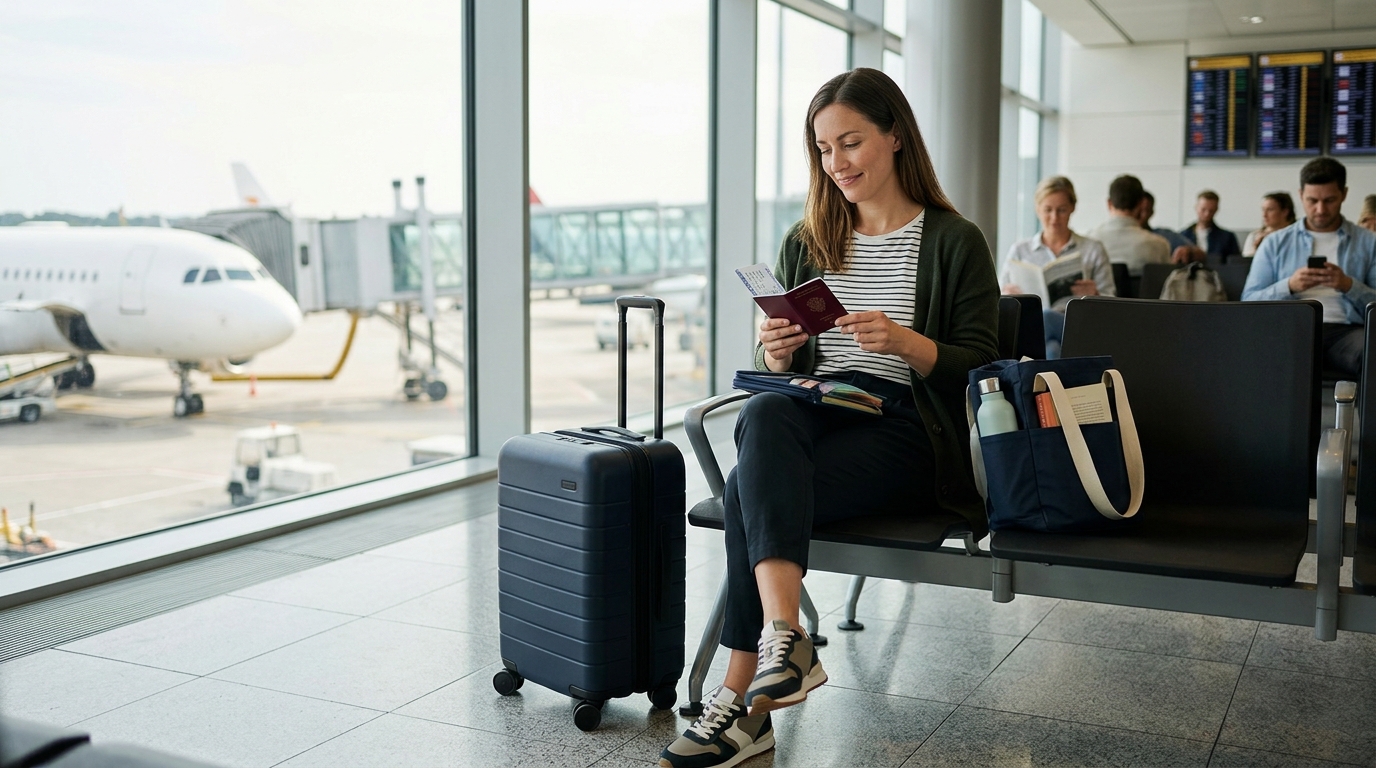
Long-haul trips require more than basic packing. You need to think about sleep, comfort, entertainment, movement, and personal care. Prepare for Air Travel on long flights by bringing items that support your energy levels over many hours.
Choose entertainment in advance. Download movies, playlists, books, or podcasts before departure. Bring snacks that are allowed and that do not spoil easily. Pack items that help with sleep if you will fly overnight. The more you plan, the less draining the experience feels.
Common Mistakes to Avoid
Many travel problems come from simple mistakes that are easy to prevent. These include overpacking, arriving late, forgetting chargers, skipping document checks, wearing uncomfortable clothing, and not reading airline rules.
If you Prepare for Air Travel with attention to detail, you avoid the frustration that comes from preventable errors. This does not mean every trip will be perfect. It means you will be better equipped to handle whatever happens.
A Practical Mindset Makes the Difference
The best travelers are not always the most experienced. They are often the most prepared. They know how to reduce stress by making small smart decisions before the day of travel arrives. Prepare for Air Travel with a calm mindset, and you will notice that the trip feels more manageable from the very beginning.
Preparation also improves confidence. When you know where your passport is, what time you need to leave, what is in your bag, and what to expect at the airport, your mind has less room for worry. That confidence changes how you experience every stage of the journey.
Conclusion
Prepare for Air Travel with simple systems, not complicated routines. A clear plan, organized documents, smart packing, and early arrival can remove most of the pressure that travelers feel. When you approach the trip with structure, you make space for comfort, safety, and calm decision-making. You do not need to control every part of the journey to enjoy it. You only need to prepare for the parts you can manage. With the right habits, flying becomes less stressful, more predictable, and far more comfortable. The result is a smoother departure, a calmer flight, and a better start to your destination experience.
FAQs
1. What is the best way to prepare for air travel?
The best way to prepare for air travel is to start early, check your documents, pack with a checklist, and learn your airline’s rules before departure.
2. How far in advance should I start planning?
A few days is enough for a short domestic trip, but international travel should usually begin earlier so you can check documents, baggage rules, and booking details.
3. What should I keep in my carry-on bag?
Keep documents, medication, electronics, chargers, valuables, snacks, and one change of clothes if the trip is important or the flight is long.
4. How can I reduce stress at the airport?
Arrive early, keep items accessible, follow the airport process step by step, and avoid rushing through security or boarding.
5. What helps with flight anxiety?
Slow breathing, distraction, hydration, a familiar routine, and choosing a seat that feels comfortable can all help reduce anxiety during the flight.
6. How do I stay comfortable on a long flight?
Wear layered clothing, drink water, stretch when possible, use a neck pillow, and bring entertainment so the trip feels less tiring.
7. What are the most important travel documents?
Passport, ID, boarding pass, visa if required, travel insurance details, and any hotel or transport confirmations should be easy to find.
8. How can I avoid overpacking?
Use a checklist, pack only for the actual trip, choose outfits that mix and match, and leave out “just in case” items you will probably not use.
9. What should I know about airport boarding?
The airport boarding process usually includes gate announcements, boarding groups, and document checks, so staying near the gate and listening carefully matters.
10. Why is preparation so important for flying?
Preparation reduces stress, saves time, helps you avoid mistakes, and makes the entire experience smoother from home to destination.
