


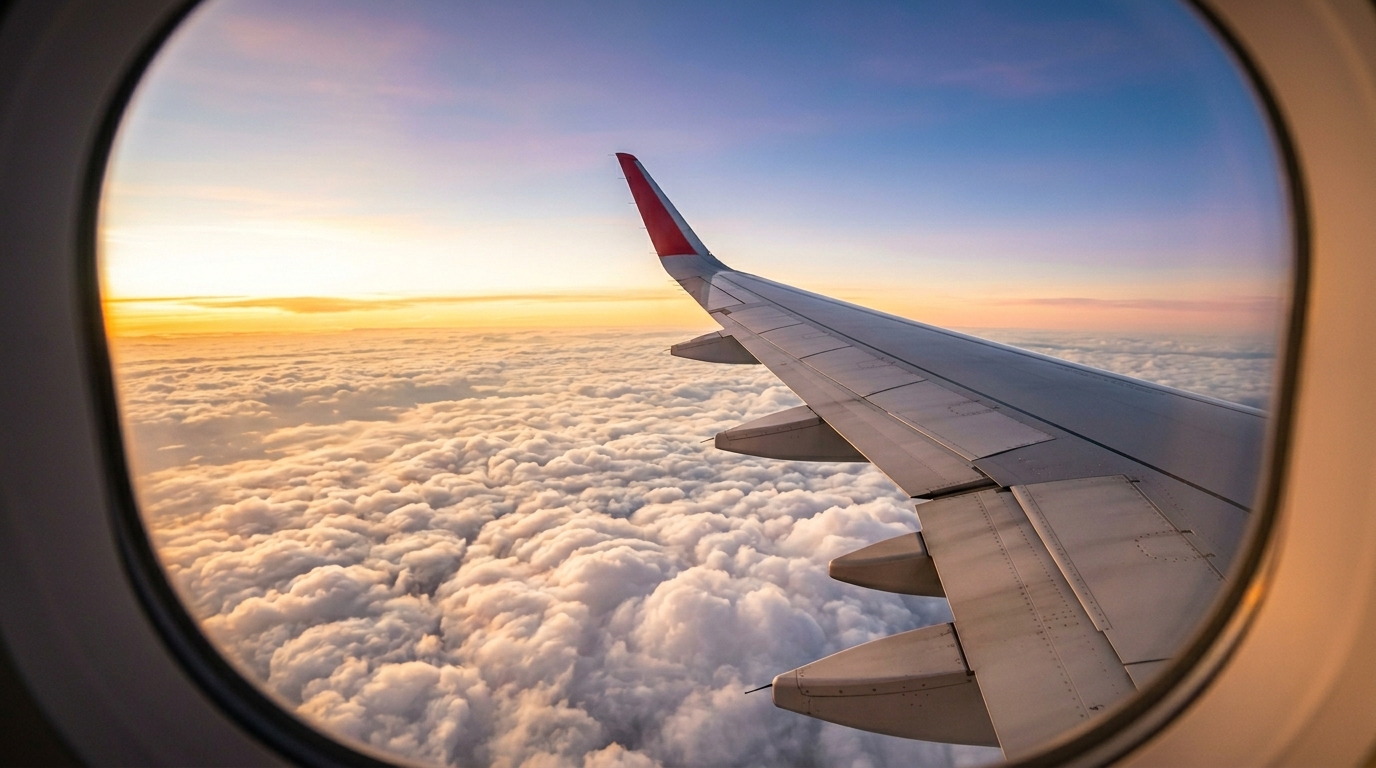
The smartest way to travel is to keep the process simple, organized, and repeatable. You Prepare for Air Travel best when you start early, verify your documents, pack with purpose, and think ahead about airport timing. You also Prepare for Air Travel more effectively when you use a checklist, keep your carry-on practical, and follow security rules without rushing. These habits do not require special tools or complicated systems; they only require attention and consistency. Once you Prepare for Air Travel this way a few times, the process starts to feel natural, and each future trip becomes easier to manage.
Flying feels easier when every moving part is organized before the trip begins. Travelers who Prepare for Air Travel early usually spend less time worrying about missing documents, overweight bags, confusing airport rules, or rushed transport. Good preparation turns a stressful departure into a manageable routine, and it gives you more mental space to enjoy the trip itself. When people Prepare for Air Travel with a clear plan, they are not just packing a suitcase; they are setting up a smoother experience from the front door to the final destination. The first lesson is simple: do not wait until the night before, because the best time to Prepare for Air Travel is before pressure starts building.
Why a Thoughtful Plan Matters
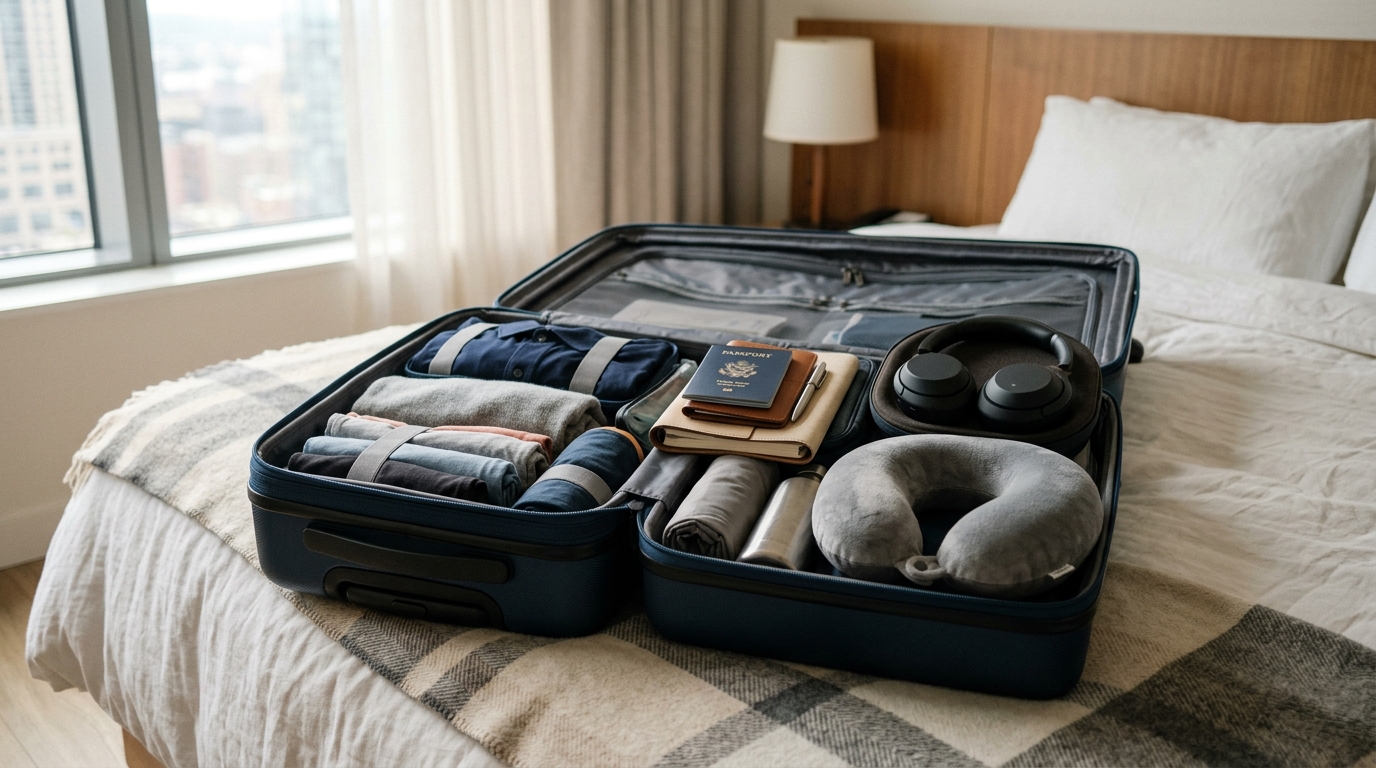
A thoughtful travel plan protects your time, money, and confidence. If you Prepare for Air Travel without a plan, small problems can stack up quickly: a missing charger, a delayed ride, a forgotten visa, or a bag that does not meet airline limits. On the other hand, when you Prepare for Air Travel with a step-by-step system, you can check each task once and move on without second-guessing yourself. That structure matters even more for long trips, family journeys, and international routes where one small mistake may create a larger delay. Preparing in advance also lowers anxiety, because your mind is not trying to remember everything at once; it already knows what comes next.
Planning the Journey
Think of your journey as a sequence, not a single event. The most effective Air Travel Preparation Guide starts with the basics: flight details, transportation, baggage limits, and destination requirements. Before you Prepare for Air Travel, confirm your departure time, terminal, layover length, and whether your airline has special check-in rules. Then review the route from your home to the airport so you know how long the trip to the terminal should take. When you Prepare for Air Travel this way, you reduce the chance of guesswork and make every later step easier to handle. This also helps you spot possible issues early, such as a tight connection, an early-morning transfer, or a return flight that lands late at night.
Building a Realistic Schedule
Good Air Travel Planning Tips are usually simple, but they work best when followed consistently. Start by choosing the right time to leave home, then add a safety buffer for traffic, weather, and check-in lines. If you Prepare for Air Travel with a realistic timeline, you will not need to rush through the airport. Another smart habit is to keep digital copies of your booking, passport details, and hotel confirmation in your phone, because technology can fail at the worst moment. When you Prepare for Air Travel with backups in place, you have options even if your battery runs low or your internet connection disappears. Planning also includes thinking about meals, medication, and comfort items so you are not searching for them after security.
Your Departure Checklist
A written Flight Preparation Checklist removes the mental clutter that often causes mistakes. The easiest way to Prepare for Air Travel is to divide the process into two parts: the night before and the morning of departure. At night, confirm documents, pack your bag, charge devices, and review baggage weight. In the morning, check the flight status, get dressed comfortably, and make sure your essentials are easy to reach. When you Prepare for Air Travel with a checklist, you are less likely to forget a passport, leave a phone charger behind, or confuse the terminal. The checklist also helps if several people are traveling together, because each person can verify their own items without depending on memory alone.
Packing by Category
Packing becomes much easier when you think in categories instead of random items. Strong Travel Packing Tips begin with clothing, toiletries, documents, electronics, and comfort items. If you Prepare for Air Travel for a short trip, try to limit clothing to versatile pieces that mix and match well. If your journey is longer, use packing cubes or similar organizers so your suitcase stays neat and easy to unpack. Many travelers overpack because they want to be safe, but excess items often create more stress than comfort. When you Prepare for Air Travel carefully, you can pack with purpose and still avoid the frustration of carrying things you never use. A tidy bag also makes security screening faster because your essentials are easier to locate.
Items That Matter Most
Some items matter more than others, and these Air Travel Essentials should stay near the top of your list. Documents, payment cards, phone, charger, medications, and a small comfort kit are usually the most important. To Prepare for Air Travel well, keep these items in one secure place rather than spreading them across several pockets or bags. A traveler who needs to reach a passport quickly will appreciate that level of organization. You may also want earphones, a refillable water bottle if permitted, tissues, hand sanitizer, and a light snack. When you Prepare for Air Travel with essential items ready, the whole journey feels calmer because the things you use most are already close at hand.
Guidance for First Flyers
First-time flyers often worry about the unknown, but the process is easier than it looks. These First Time Flying Tips can help: arrive early, read your airline instructions carefully, and keep your documents in an easy-to-reach pocket. If you Prepare for Air Travel as a beginner, focus on understanding the main steps rather than trying to master everything at once. Check in, drop bags if needed, move through security, find your gate, and then follow the boarding announcements. When you Prepare for Air Travel with patience and simple habits, you give yourself room to learn without feeling overwhelmed. It is also useful to ask airport staff questions when something is unclear, because a short question can save a lot of confusion later.
Getting Through Screening
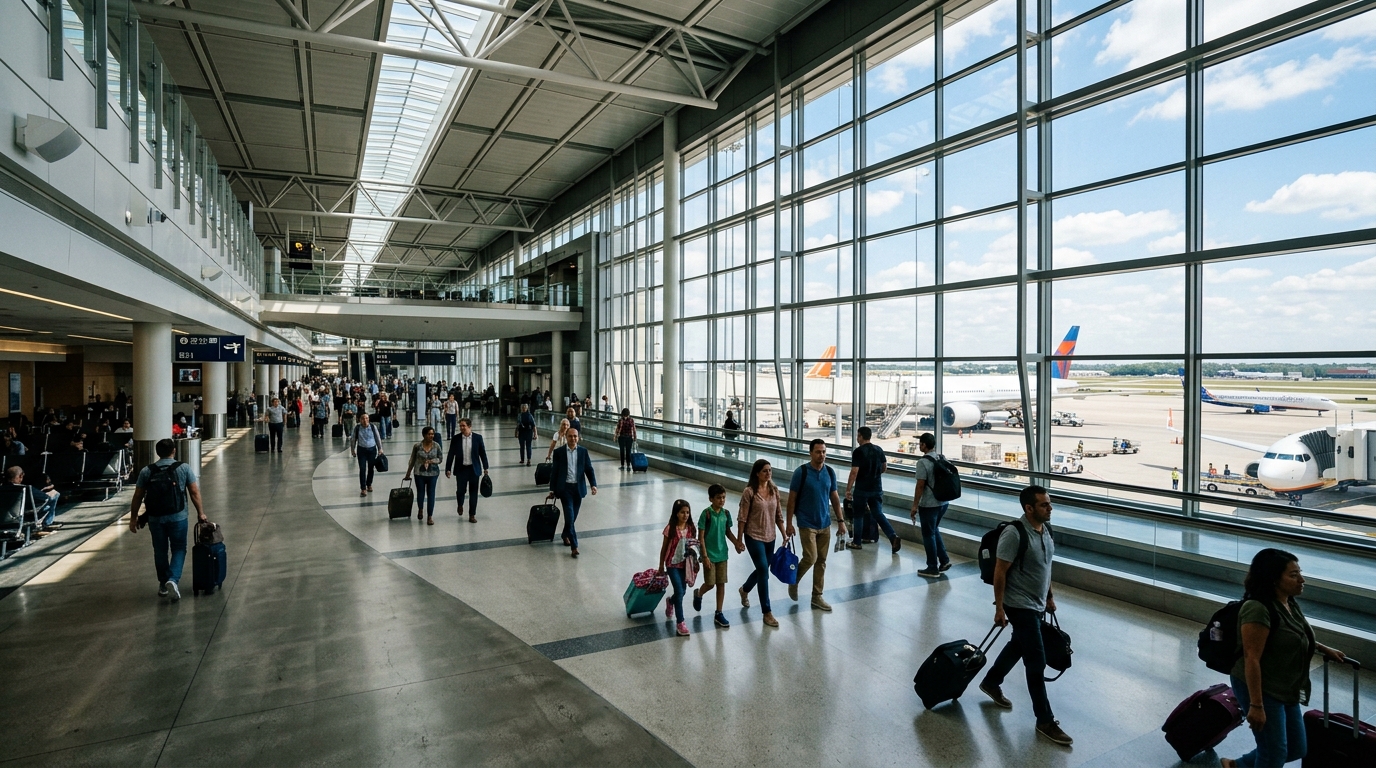
Airport Security Guidelines are much easier to follow when you know them before you arrive. One of the most important ways to Prepare for Air Travel is to review the rules for liquids, electronics, and restricted items ahead of time. Keep anything that needs quick removal in a place where you can access it fast. Wear clothing that is easy to manage, and avoid loading your pockets with unnecessary items. When you Prepare for Air Travel with security in mind, you move through screening faster and reduce the chance of repacking at the checkpoint. The goal is not to move aggressively; it is to move calmly, stay organized, and cooperate with the process so the line keeps flowing.
Airport Timing and Transport
Timing is one of the easiest things to underestimate. People who Prepare for Air Travel well usually add extra time for traffic, parking, shuttle lines, and check-in. That cushion matters because airport problems rarely happen alone; they usually appear in pairs or clusters. If a road is busy, a bag is heavy, or a terminal is crowded, a rushed schedule makes everything feel worse. When you Prepare for Air Travel with a clear departure window, you reduce that pressure. The best approach is to confirm how you will reach the airport the day before, then leave with enough space to handle small delays without panic.
Carry-On Strategy
Your carry-on is not just a bag; it is your backup plan. To Prepare for Air Travel intelligently, place the most useful items in the carry-on first: documents, medication, electronics, chargers, a pen, snacks, and anything you cannot afford to lose. This bag should also hold the things you may want during the flight, such as entertainment, headphones, and a light layer if the cabin gets cold. Travelers who Prepare for Air Travel with a strong carry-on strategy often feel more secure because they know they can still function comfortably if the checked bag arrives late. Keep the layout simple, because a carry-on that is easy to understand is a carry-on that works better under pressure.
Comfort During the Flight
Comfort affects the quality of the entire journey. If you Prepare for Air Travel only for the airport and ignore the flight itself, you may end up feeling tired, stiff, or bored once you sit down. Choose clothing that lets you move easily, and pack small items that improve the ride: a neck pillow, water, entertainment, and a light snack. When you Prepare for Air Travel with comfort in mind, the cabin feels less draining and more manageable. This is especially helpful on long flights, overnight routes, or trips with connections, where rest and pacing become important. A little preparation before takeoff can make the hours in the air feel shorter and more comfortable.
Common Mistakes to Avoid
The most common travel mistakes are usually avoidable. Do not wait until the last minute to Prepare for Air Travel, because rushing leads to forgotten items and poor decisions. Do not assume every airline has the same baggage rules, because policies can change by route and ticket type. Do not keep all your important items buried at the bottom of a suitcase, because that slows everything down at the airport. And do not overlook the value of a backup plan, because one small delay can change your entire departure schedule. When you Prepare for Air Travel with caution and flexibility, you reduce the chance of these everyday problems turning into a stressful travel day.
Conclusion
A smooth flight rarely happens by accident. It usually comes from small decisions made in advance, from the way you pack to the way you leave for the airport. The more consistently you Prepare for Air Travel, the more control you gain over stress, timing, and comfort. That does not mean every trip will be perfect, but it does mean you will be ready for the most common challenges. If you Prepare for Air Travel with a calm routine, a realistic checklist, and a few smart habits, you will spend less energy worrying and more energy enjoying the journey. The result is a better experience before departure, at the airport, and in the air.
FAQ
What should I do first before I fly?
The first step is to Prepare for Air Travel by checking your booking, confirming your departure time, and reviewing any documents you need for the trip. Once that is done, you can move to packing and transport planning with far less stress.
How far in advance should I pack?
A good habit is to Prepare for Air Travel at least one day before departure, especially if you need to sort clothing, charge devices, or arrange family travel. Packing early gives you time to notice what is missing instead of discovering it at the door.
What if I am nervous about airport procedures?
It helps to Prepare for Air Travel by learning the basic airport sequence ahead of time. When you know what comes after check-in, security, and boarding, the day feels less unknown and much more predictable.
How can I make the airport experience smoother?
You can Prepare for Air Travel by keeping your most important items accessible, leaving home early, and using a checklist. Small habits often save the most time because they prevent backtracking and confusion.
What is the biggest mistake travelers make?
Many people fail to Prepare for Air Travel early enough. That usually leads to rushed packing, forgotten items, or avoidable delays. A little advance organization almost always creates a better departure day.
Can a simple routine really help?
Yes. When you Prepare for Air Travel using the same basic routine each time, it becomes easier to repeat and easier to trust. Repetition turns travel prep into a habit rather than a problem to solve from scratch.
How do I stay calm on the day of departure?
The best way is to Prepare for Air Travel the night before and keep your morning tasks short. When the hard decisions are already finished, you can move through the day with a steadier mindset.
