


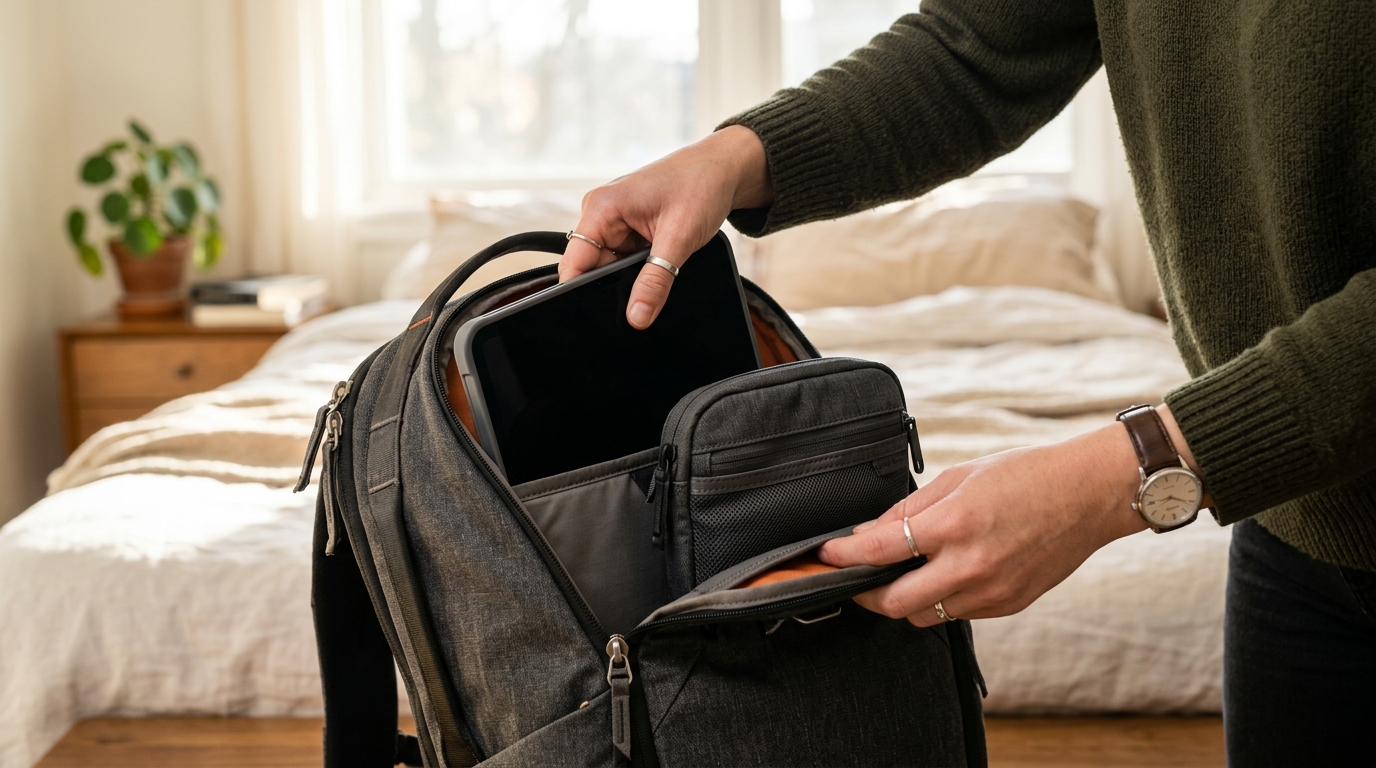
Plane Travel Carry-On Packing is one of the simplest ways to make flying less stressful, because it gives you more control over your essentials, saves time at the airport, and helps you stay comfortable when plans change. The best approach to Plane Travel Carry-On Packing is not to bring everything, but to bring the right things in the right order. When your bag is planned with purpose, Plane Travel Carry-On Packing becomes easier, faster, and far more reliable.
Plane Travel Carry-On Packing is easiest when you focus on the essentials that reduce stress, save time, and keep you comfortable. A well-planned carry-on includes documents, electronics, comfort items, hygiene products, snacks, and a few smart backups. With a clear system, you are less likely to forget something important and more likely to enjoy the journey.
Why Carry-On Packing Matters
Plane Travel Carry-On Packing matters because travel often feels chaotic before you even board the plane. Security lines can be long, gates can change, and checked luggage can be delayed. With Plane Travel Carry-On Packing, you keep the most important items close at hand. That small shift creates peace of mind. It also helps you move through the airport with less worry, especially when you are traveling for the first time or taking a long trip.
A good carry-on bag is not only about convenience, and Plane Travel Carry-On Packing should always feel practical rather than overwhelming. It is about confidence. When your documents, valuables, snacks, hydration items, entertainment, and comfort pieces are already organized, the entire journey feels smoother. Plane Travel Carry-On Packing gives you a sense of readiness that reduces panic and prevents the common mistake of packing too much of the wrong thing.
Plane Travel Carry-On Packing for Beginners
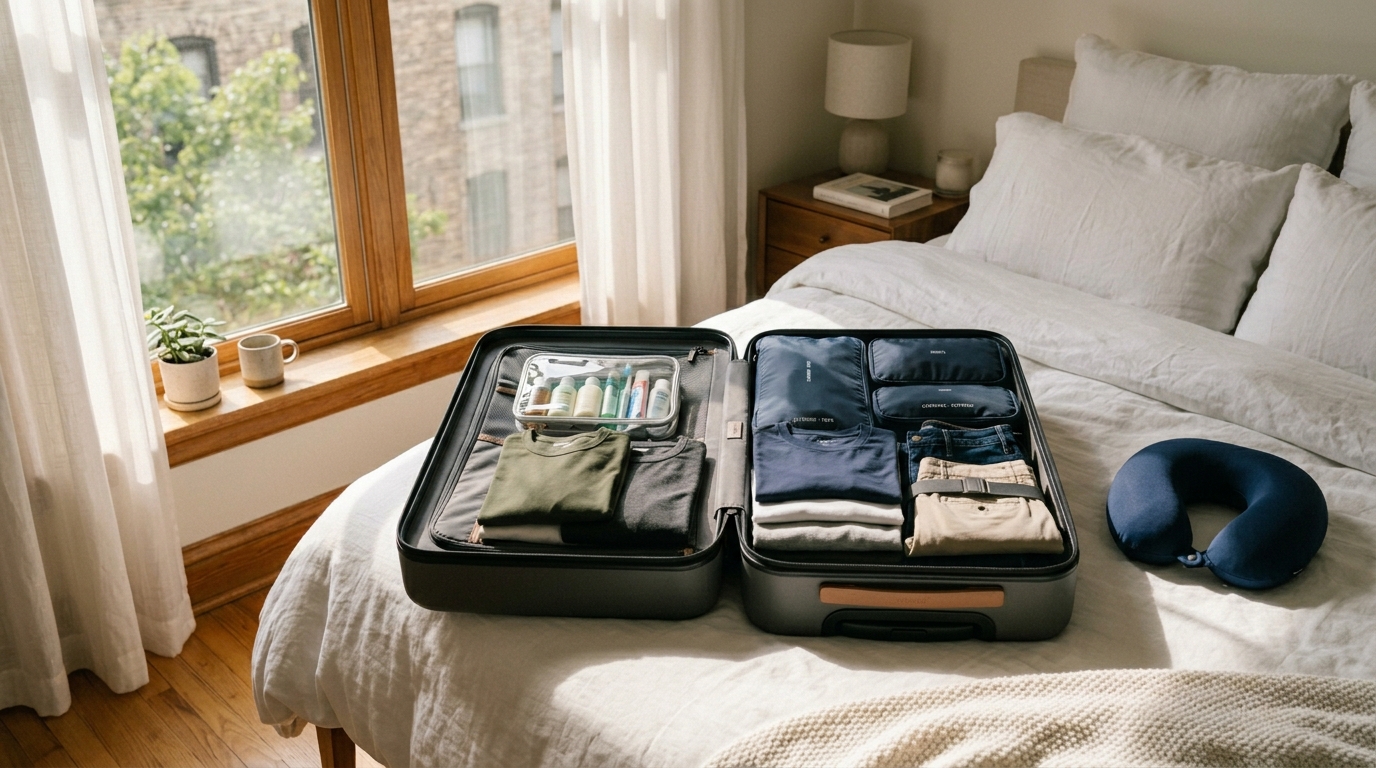
If you are new to flying, Plane Travel Carry-On Packing for Beginners should start with one simple rule: pack for the trip you will actually have, not the trip you imagine. Beginners often overpack because they fear forgetting something. That fear is understandable, but it usually leads to a heavy bag and unnecessary stress. A smarter method is to divide your bag into categories such as documents, electronics, comfort, health, snacks, and backup items.
Plane Travel Carry-On Packing for Beginners also works better when you test your layout before travel day. Put everything on a bed or table, then remove anything that does not solve a real problem in transit. This way, your bag stays lean, organized, and easy to carry. The more you practice this process, the easier Plane Travel Carry-On Packing for Beginners becomes on future trips.
What Should You Pack in a Plane Carry-On Bag
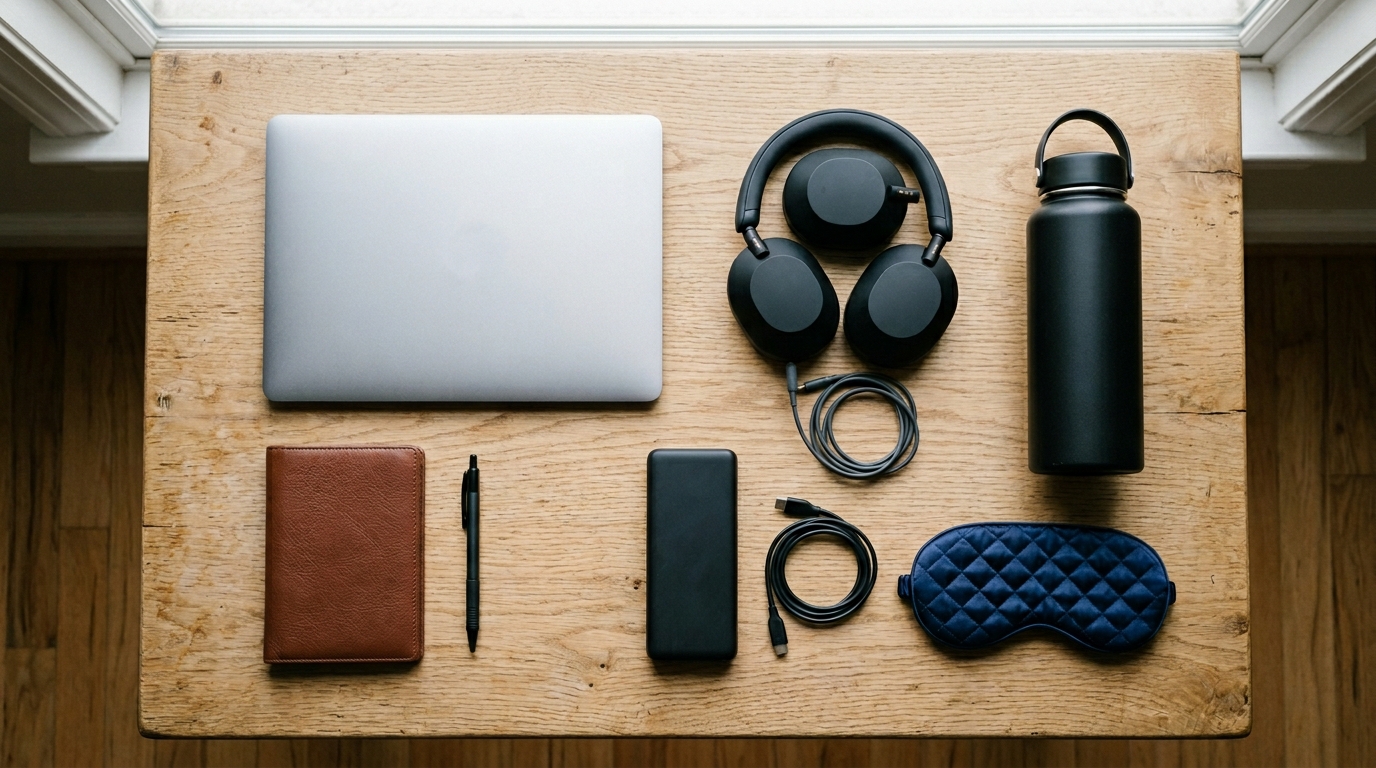
What Should You Pack in a Plane Carry-On Bag depends on your flight length, destination, and personal needs, but the essentials rarely change. Start with your travel documents, including passport or ID, boarding pass, wallet, and any required tickets or confirmations. Then add your phone, charger, power bank, and headphones so you stay connected and entertained.
What Should You Pack in a Plane Carry-On Bag also includes comfort items that keep the flight pleasant. A light layer, eye mask, neck pillow, and reusable water bottle can make a big difference. Snacks are helpful too, especially if your flight timing is uncertain or you know you get hungry between meals. The point of What Should You Pack in a Plane Carry-On Bag is to make the journey more controlled and less dependent on chance.
Essential Items for Plane Travel Carry-On Packing
Essential Items for Plane Travel Carry-On Packing usually fall into five main groups. First are documents and money. Second are electronics and chargers. Third are comfort items. Fourth are health and hygiene items. Fifth are snacks and small extras that support your energy during the trip.
A small pouch for medicines, tissues, lip balm, hand sanitizer, and wipes is always useful. A compact organizer for cables can prevent tangles and save time at security. Essential Items for Plane Travel Carry-On Packing should be easy to access, because the items you need most are often the ones you need quickly. If you must search through everything at the gate or on the plane, your system is not working well enough.
How to Pack a Carry-On for Air Travel
How to Pack a Carry-On for Air Travel begins with choosing the right bag. A structured backpack, compact roller bag, or soft-sided weekender can all work, but the best option is one that matches your flight style and fits airline size rules. Once you choose the bag, pack from the bottom up. Place heavier items near the base, fragile items in the middle, and things you will need quickly near the top.
How to Pack a Carry-On for Air Travel also improves when you use pouches or packing cubes. These keep categories separate and make items easier to find. Clothing should be rolled or folded in a compact way so it takes less space. Shoes should be kept minimal if they are included at all. Try to leave open room for items you may buy later, because a packed-to-the-limit carry-on often becomes awkward after security or during a layover.
Carry-On Packing Tips for Long Flights
Carry-On Packing Tips for Long Flights should focus on comfort, sleep, hydration, and flexibility. Long flights can feel much shorter when your bag includes items that help you rest and reset. A travel pillow, earplugs, soft socks, a small blanket or scarf, and an eye mask can all improve the experience. A refillable bottle helps you stay hydrated once you pass security.
Carry-On Packing Tips for Long Flights also include a thoughtful entertainment plan. Download shows, music, podcasts, books, or offline maps before you leave. Keep a backup charger accessible rather than buried deep in your bag. A small snack pack is smart too, because flight meals may not always arrive when you expect them. Long trips become easier when you prepare for boredom, tiredness, and hunger before they show up.
TSA-Friendly Carry-On Packing Guide
TSA-Friendly Carry-On Packing Guide principles are simple: know what can go through security, keep liquids within the allowed limit, and avoid making your bag hard to inspect. Liquids, gels, and aerosols should be stored in a practical travel pouch, and sharp or restricted items should not be casually thrown into the bag. If your bag is tidy, screening is faster and less frustrating.
A TSA-Friendly Carry-On Packing Guide also means keeping electronics easy to remove if needed. Place laptops and tablets where they can be taken out quickly. Avoid overstuffing side pockets with random items that slow you down at the checkpoint. The more visible and organized your items are, the smoother the security process feels. TSA-Friendly Carry-On Packing Guide habits save time and reduce last-minute stress.
Packing Strategy by Category
Documents and Money
Plane Travel Carry-On Packing should always begin with the items that let you travel legally and confidently. Keep your passport, ID, boarding pass, reservation details, payment card, and emergency contact information together. A slim wallet or document pouch is better than spreading everything across several pockets. If you can find these items in seconds, your trip starts with less anxiety.
Electronics and Charging Gear
Your phone is your map, camera, ticket, translator, and contact line, so it deserves a reliable spot in the bag. Add charging cables, a power bank, and a plug adapter if you are flying internationally. Plane Travel Carry-On Packing becomes much easier when these items are stored in one dedicated electronics pouch. That pouch should be easy to reach during security and in flight.
Comfort and Sleep Support
A long or overnight trip can feel far better when you pack for rest. Eye masks, earplugs, neck support, and soft layers help your body relax. Plane Travel Carry-On Packing is not just about surviving the trip. It is about arriving with more energy than you would have otherwise. The difference between a rough journey and a manageable one is often a few small comfort items.
Health and Hygiene
Hand sanitizer, tissues, lip balm, moisturizer, wipes, and any necessary medication make travel cleaner and calmer. Airplanes can be dry, and airports can be busy, so simple hygiene items are valuable. Keep them near the top of your bag so you do not have to dig for them. Plane Travel Carry-On Packing works best when health items are easy to use before they become urgent.
Snacks and Hydration
A few simple snacks can prevent frustration during delays. Granola bars, crackers, nuts, or dried fruit are easy choices because they do not take much room. A reusable bottle also helps reduce the chance of dehydration. Plane Travel Carry-On Packing should always account for the gap between meal times and the reality of travel delays. Small food items often create a surprisingly big comfort benefit.
Carry-On Packing Checklist for International Flights
Carry-On Packing Checklist for International Flights should be stricter than a domestic checklist because international travel usually involves more documents, more waiting, and more potential changes. Start with your passport, visa if needed, boarding pass, hotel details, local currency, and travel insurance confirmation. Then add adapters, copies of important documents, and a backup payment method.
Carry-On Packing Checklist for International Flights should also include one change of essential clothing if your trip is long or your checked bag is delayed. That might mean underwear, socks, a shirt, or other basic items depending on your schedule. International travel is easier when you prepare for uncertainty instead of assuming everything will go perfectly.
Common Mistakes to Avoid
Plane Travel Carry-On Packing fails when travelers pack only for the flight and not for the full journey. One common mistake is carrying too many “just in case” items. Another is forgetting to separate liquids, chargers, and documents. A third mistake is filling the bag so tightly that there is no room for last-minute additions.
Another problem is poor access. If the items you use most are buried inside the bag, you lose time and patience. Plane Travel Carry-On Packing should make airport movement simpler, not more complicated. A good bag layout gives you fast access to what matters and keeps the rest secure until you need it.
How to Stay Organized During the Trip
Plane Travel Carry-On Packing should not end when you zip the bag. Organization continues while you travel. Return items to the same pocket every time. Keep trash in one small area until you can dispose of it. Repack cables neatly after each use. These tiny habits prevent clutter from building up during the flight.
It also helps to check your bag before leaving each location. A quick scan for passport, phone, wallet, charger, and medication can save you from costly mistakes. Plane Travel Carry-On Packing becomes more powerful when you treat the carry-on as a system, not just a container.
Simple Packing Method That Works
The easiest method is to pack in layers. Put the heaviest and least urgent items at the bottom. Place medium-use items in the middle. Keep the items you may need during security, boarding, or the flight in outer pockets or top sections. This structure reduces stress and improves speed.
Plane Travel Carry-On Packing also works better when you use a small “must-have” pouch. In that pouch, keep your most important daily items together. That way, even if your main bag is stored or rearranged, you can still find the things that matter most. The simpler the system, the more reliable it becomes.
When to Pack Your Carry-On
Do not wait until the last minute. The best time to handle Plane Travel Carry-On Packing is the night before travel, with a final check on the day of departure. Packing early gives you time to fix mistakes, replace missing items, and remove anything unnecessary. It also lowers stress because you are not rushing while thinking about transportation, check-in, or weather.
If you travel often, maintain a ready-to-go travel kit. Refill it after each trip. That habit makes future Plane Travel Carry-On Packing much faster because your core essentials are already grouped. Over time, this turns a stressful chore into a repeatable routine.
Conclusion
The best Plane Travel Carry-On Packing strategy is simple: pack intentionally, keep your bag organized, and prepare for the parts of travel that usually cause delays or discomfort. When you know exactly what belongs in your bag, the airport feels less overwhelming and the flight feels more manageable. Plane Travel Carry-On Packing is not about carrying more. It is about carrying better. Plane Travel Carry-On Packing works best when you repeat a dependable system every time you fly.
Once you build a repeatable routine, every trip becomes easier. Plane Travel Carry-On Packing helps beginners feel more confident and experienced travelers stay efficient. Whether you are taking a short domestic trip or planning a long international journey, smart packing gives you freedom, comfort, and peace of mind.
FAQ
What is the most important part of Plane Travel Carry-On Packing?
The most important part of Plane Travel Carry-On Packing is keeping documents, money, phone, charger, and essential medication easy to reach. Those items solve the biggest travel problems first.
How can beginners improve Plane Travel Carry-On Packing?
Beginners improve Plane Travel Carry-On Packing by making a simple list, packing only what they truly need, and separating items into categories. A clear system prevents overpacking.
What should I never forget in my carry-on?
You should never forget identification, boarding pass, phone, charger, wallet, and any critical medication. These are the core items that make travel smoother and safer.
Is Plane Travel Carry-On Packing different for long flights?
Yes. Plane Travel Carry-On Packing for long flights should include more comfort items, entertainment, snacks, and hydration support so you can handle a longer time in transit.
How do I keep my carry-on organized?
Use pouches, place similar items together, and always return things to the same spot. Organized Plane Travel Carry-On Packing saves time and reduces travel stress.
