


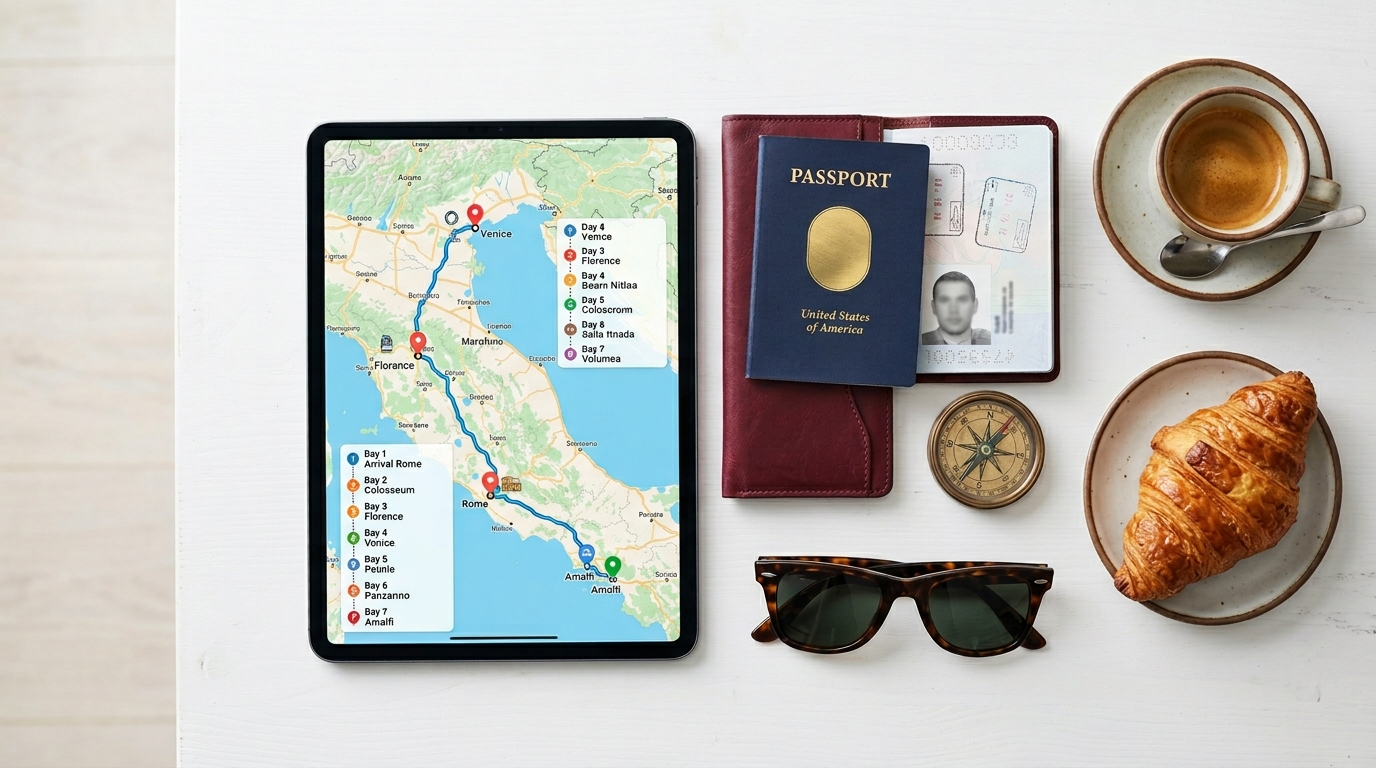
Planning with Perfect Travel Itinerary Ideas helps travelers save time, reduce stress, and enjoy the journey more fully. A strong itinerary is not about stuffing every hour with activities; it is about designing a trip that matches energy, interests, budget, and local rhythm. When done well, Perfect Travel Itinerary Ideas make the experience feel organized without becoming rigid. They leave room for discovery, recovery, and meaningful moments.
Perfect Travel Itinerary Ideas work best when they feel practical and human. Travelers usually do not want a schedule that looks impressive on paper but collapses in real life. They want a plan that respects transit time, meal breaks, weather changes, and the natural pace of each destination. That is why Perfect Travel Itinerary Ideas should always begin with real-world thinking, not with wishful thinking.
The strongest Perfect Travel Itinerary Ideas start with a simple question: what kind of trip do you actually want? A slow cultural getaway, a fast city break, a family holiday, or an adventure-filled escape each needs a different structure. When the itinerary reflects the purpose of the trip, decisions become easier and the entire journey feels more intentional. In that sense, Perfect Travel Itinerary Ideas are less about logistics and more about experience design.
How to Create a Trip That Feels Effortless

If you are learning how to create a perfect travel itinerary, begin with three basics: destination, duration, and priorities. First, list the places you truly want to see. Next, check how much time you actually have. Then decide which moments matter most. This approach keeps the plan focused and prevents common mistakes like overbooking or spending too much time in transit. The best Perfect Travel Itinerary Ideas are built from clarity, not clutter.
A useful step by step travel itinerary planning guide always leaves breathing room. On a five-day trip, for example, you do not need five full days of sightseeing. You need one or two anchor activities per day, plus enough flexibility for meals, rest, and unexpected discoveries. When you think this way, Perfect Travel Itinerary Ideas become easier to follow and much more enjoyable to live through.
One of the most practical smart vacation planning tips is to plan around energy levels. Put your most demanding activity in the part of the day when you usually feel strongest. Keep lighter tasks, such as cafés, markets, or scenic walks, for the afternoon or evening. This keeps your trip from feeling like a race. Many travelers discover that the best Perfect Travel Itinerary Ideas are the ones that protect energy instead of consuming it.
Build the Core Structure First
A good best way to plan a travel itinerary begins with structure before decoration. That means choosing arrival and departure times, booking major transport, confirming hotel locations, and mapping the distance between key attractions. Once those building blocks are set, you can arrange the enjoyable parts of the trip around them. Perfect Travel Itinerary Ideas are smoother when the backbone is stable.
| Planning Stage | What to Decide | Why It Matters |
|---|---|---|
| Trip goal | Relaxation, sightseeing, family time, adventure | Shapes the pace of the itinerary |
| Time frame | Total days and arrival/departure windows | Prevents unrealistic scheduling |
| Base location | Hotel, neighborhood, or travel hub | Reduces commuting stress |
| Daily priorities | Must-see places and optional stops | Helps avoid overload |
| Buffer time | Delays, meals, rest, and surprises | Makes the plan more flexible |
This simple framework supports Perfect Travel Itinerary Ideas because it keeps the plan realistic. If the hotel is far from the main attractions, the best Perfect Travel Itinerary Ideas may need fewer activities each day. If your trip includes long train rides or flights, then the itinerary should adapt around them. The smartest travelers do not force the trip to fit the plan; they shape Perfect Travel Itinerary Ideas to fit the trip.
How to Balance Must-See Places and Free Time
A major secret behind Perfect Travel Itinerary Ideas is balance. Too many must-see attractions create pressure, while too much free time can make the trip feel unfocused. The sweet spot is usually one main activity, one supporting activity, and one optional idea per day. That structure gives the trip direction while still leaving space for spontaneity. It is one of the most underrated Perfect Travel Itinerary Ideas for busy modern travelers.
This balance matters even more when you are visiting a famous city or a destination with limited days. People often try to squeeze every landmark into one schedule, but that usually leads to exhaustion. A better approach is to choose a theme for each day, such as museums, food, nature, or local neighborhoods. With that method, Perfect Travel Itinerary Ideas feel more meaningful because each day has a clear identity.
Another benefit of Perfect Travel Itinerary Ideas is that they help you say no with confidence. When a new suggestion appears, you can compare it with your priorities instead of reacting emotionally. That protects both your budget and your time. Good planning is not about controlling every second. It is about making room for the best moments to happen naturally.
The Best Way to Organize Each Day
The best way to plan a travel itinerary is usually the one that matches your real travel style. For some people, that means early starts and packed mornings. For others, it means relaxed breakfasts and shorter afternoons. The key is consistency. When each day follows a pattern that feels comfortable, your mind spends less effort adjusting and more energy enjoying the trip. Perfect Travel Itinerary Ideas work especially well when daily routines are predictable.
A clean travel itinerary planning checklist often looks like this: morning anchor activity, lunch break, afternoon experience, rest window, and evening option. That pattern is flexible enough for almost any destination. It works for museums, beaches, mountain towns, food trips, and city adventures. The goal is not to overload the schedule. The goal is to create a rhythm that supports the whole journey. That is the practical heart of Perfect Travel Itinerary Ideas.
Travelers often forget that transitions matter as much as attractions. A 90-minute commute can quietly break a perfect day if it is ignored during planning. That is why Perfect Travel Itinerary Ideas should always account for distance, traffic, opening hours, and time spent waiting. When you respect the transitions, the rest of the trip feels easier and more polished.
Travel Itinerary Planning Checklist
A strong travel itinerary planning checklist keeps the process from becoming chaotic. Before the trip, check the basics: flights, hotel, local transport, attraction tickets, opening hours, weather forecast, packing list, and payment options. This checklist may look simple, but it is powerful because it prevents last-minute panic. The best Perfect Travel Itinerary Ideas always include a practical layer behind the excitement.
Here is a simple pre-trip checklist that works well with Perfect Travel Itinerary Ideas:
- Confirm arrival and departure times.
- Map the hotel location.
- Estimate daily transit time.
- Reserve key attractions in advance.
- Save offline maps and important addresses.
- Build a backup plan for rain or delays.
- Pack according to the climate and activities.
When this checklist is complete, Perfect Travel Itinerary Ideas become much easier to trust. You are no longer guessing whether the trip will work. You already know the major pieces are in place. That confidence is one reason travelers feel calmer before departure when they use Perfect Travel Itinerary Ideas properly.
How to Plan for Different Types of Travelers
No two trips need the same structure, and that is where Perfect Travel Itinerary Ideas become especially useful. A couple on a romantic getaway may prioritize scenic dinners and slow mornings. A family may need shorter activity windows and more breaks. A solo traveler may want a larger mix of social time and personal exploration. Perfect Travel Itinerary Ideas should adapt to the traveler, not the other way around.
For families, the best Perfect Travel Itinerary Ideas keep comfort high and movement low. For business travelers adding leisure time, the plan should be compact and efficient. For adventure seekers, the schedule may include more physical activity and more weather-dependent choices. In each case, the plan succeeds when it reflects how people actually live and travel. That is why Perfect Travel Itinerary Ideas are so valuable: they can be personalized without losing structure.
This is also where a beginner guide to travel itinerary planning becomes useful. Many travelers follow advice that sounds good in theory but fails in real life because it ignores personality, travel pace, or the need for downtime. The best itineraries feel like a fit. They make the traveler feel seen, not forced.
Why Flexibility Makes an Itinerary Better
Some people think Perfect Travel Itinerary Ideas mean a fixed minute-by-minute timetable. In reality, the strongest plans are flexible. Flexibility allows for weather changes, late meals, special events, or simply a slower morning than expected. When the itinerary includes buffer time, surprises stop feeling like problems. They become part of the adventure.
That does not mean the plan should be vague. It means the plan should be durable. A durable itinerary can survive a missed bus or a closed attraction without collapsing. It also helps you stay emotionally calm, because you are not depending on perfect conditions. Many travelers find that the most memorable moments come from the gaps inside Perfect Travel Itinerary Ideas, not from the items they scheduled first.
Flexibility also supports better decision-making. If you notice that a certain place is more interesting than expected, you can stay longer without ruining the rest of the day. If you feel tired, you can skip an optional stop and still call the day successful. That is one of the smartest lessons hidden inside Perfect Travel Itinerary Ideas: a great plan should support real life, not fight it.
How to Save Time Without Making the Trip Feel Rushed
Time-saving is one of the biggest reasons people search for Perfect Travel Itinerary Ideas. Nobody wants to spend valuable vacation hours figuring out transport or standing in long lines they could have avoided. A smart itinerary groups attractions by area, reduces backtracking, and places popular sights in logical order. These small decisions create a big difference in how the trip feels.
The easiest way to improve efficiency is to think in zones. Instead of scattering stops all over the map, cluster them by neighborhood or route. That way, each day has a cleaner flow and less wasted movement. When travelers use Perfect Travel Itinerary Ideas this way, they often discover they can do more while feeling less pressure. That is the kind of efficiency people remember long after the trip is over.
At the same time, speed should never replace enjoyment. The right Perfect Travel Itinerary Ideas shorten the friction, not the fun. Saving time on logistics gives you more time for meals, photos, conversation, and spontaneous moments. That is the real advantage of planning well.
Human Psychology Behind a Good Travel Plan
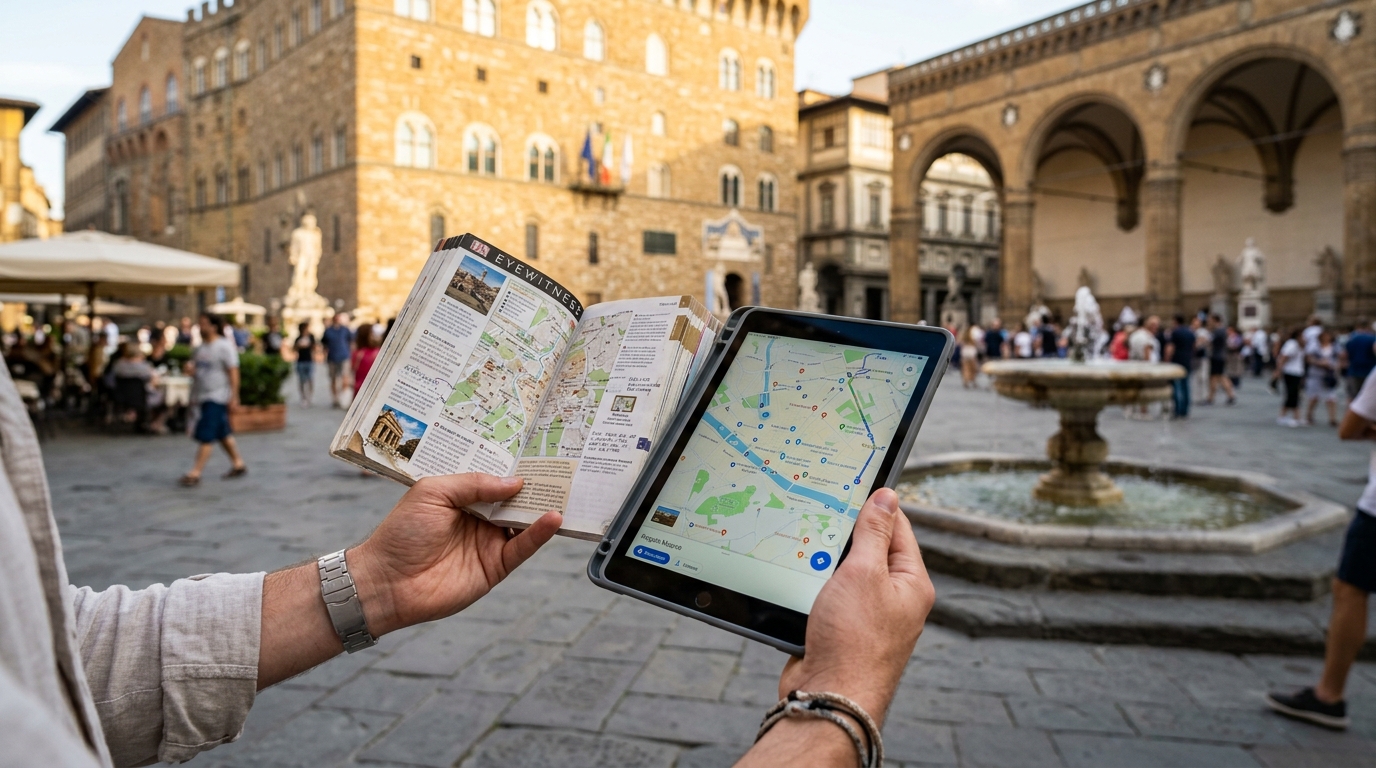
Travel is emotional. People want anticipation before the trip, confidence during the trip, and satisfaction after the trip. Good Perfect Travel Itinerary Ideas support all three stages. Before departure, they reduce uncertainty. During the trip, they reduce decision fatigue. After the trip, they create a stronger memory because the journey felt coherent and meaningful.
This is why Perfect Travel Itinerary Ideas work best when they include visible progress. When a traveler sees a well-paced schedule, it creates a sense of control. That sense of control lowers stress and increases excitement. The itinerary becomes more than a list of places; it becomes a promise that the trip will unfold smoothly. When people trust their plan, they enjoy each moment more deeply.
The psychological value of Perfect Travel Itinerary Ideas also shows up in group travel. Families and friends argue less when expectations are clear. Everyone knows when the day starts, when breaks happen, and which events are non-negotiable. Clear plans reduce friction, and reduced friction creates more room for fun.
Common Mistakes to Avoid
Even strong Perfect Travel Itinerary Ideas can fail if a few common mistakes are ignored. The first mistake is overplanning. Too many activities leave no room for rest, food, or movement between stops. The second mistake is underestimating travel time. A place that looks close on a map may still take much longer than expected. The third mistake is ignoring opening hours or seasonal changes. These small oversights can damage the whole experience.
Another mistake is copying someone else’s trip too closely. Perfect Travel Itinerary Ideas should be inspired by other travelers, not copied without thought. A successful itinerary matches your interests, your budget, and your pace. The same city can feel completely different depending on who is visiting it. That is why personal fit matters so much.
A final mistake is refusing to change the plan when conditions shift. Weather, energy, crowds, and traffic are all part of travel. The best Perfect Travel Itinerary Ideas leave space for adaptation. When you stay open, the trip usually becomes better than the original draft.
Conclusion
The real power of Perfect Travel Itinerary Ideas is not just organization. It is confidence. When a trip is planned with care, every step feels easier, from booking transport to choosing dinner after a long day. Good planning creates freedom because it removes unnecessary confusion. That is why Perfect Travel Itinerary Ideas are worth the time they require.
Travel should feel rewarding, not exhausting. A well-designed itinerary gives you structure, but it also protects joy. It leaves room for rest, curiosity, and the kinds of small surprises that make travel memorable. When you learn to build Perfect Travel Itinerary Ideas with balance, flexibility, and human needs in mind, every vacation becomes smoother and more satisfying.
FAQ
What makes Perfect Travel Itinerary Ideas truly effective?
They work best when they match the trip length, travel style, and destination pace. The most effective Perfect Travel Itinerary Ideas are realistic, balanced, and easy to follow.
How far in advance should I plan?
For popular destinations or busy seasons, start early enough to reserve transport and key attractions. For simpler trips, Perfect Travel Itinerary Ideas can still be built well with a shorter lead time.
Should every day be fully scheduled?
No. The smartest Perfect Travel Itinerary Ideas leave room for breaks, meals, and unexpected opportunities. A lighter structure often creates a better experience than an overpacked one.
How many activities are ideal per day?
Most trips feel best with one main activity, one secondary activity, and one optional item. That format keeps Perfect Travel Itinerary Ideas manageable and enjoyable.
Can I change the itinerary after I arrive?
Yes. In fact, good Perfect Travel Itinerary Ideas are designed to be adjusted. Flexibility is part of making travel feel smooth and smart.
