


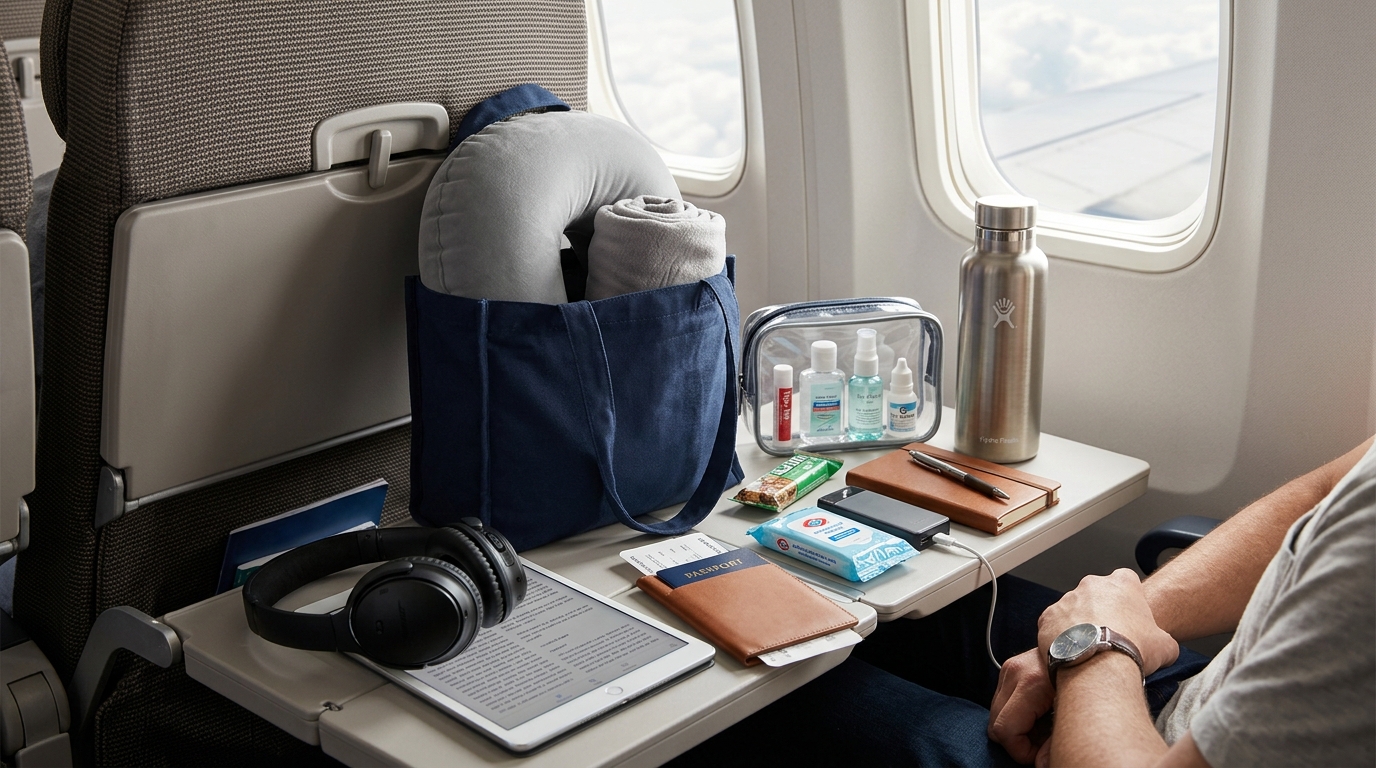
Master the art of flying with our comprehensive guide to plane travel essentials. From packing smart and navigating airport security to maximizing in-flight comfort, this guide provides everything you need to ensure a smooth, stress-free journey every time you fly.
Preparing for a flight can often feel like a juggling act. You have to balance the excitement of reaching your destination with the anxiety of packing correctly, arriving on time, and navigating crowded terminals. Knowing exactly what to bring and how to prepare can transform a chaotic travel day into a seamless experience.
A well-packed carry-on and a solid pre-flight routine do more than just save you time at the security checkpoint. They provide peace of mind. When you have your essential documents easily accessible, your electronics fully charged, and your comfort items ready to go, you can actually enjoy the journey.
Pre-Flight Preparation
A successful flight begins long before you arrive at the airport. Organizing your belongings and finalizing your paperwork early sets a positive tone for the entire trip.
Choosing the Right Luggage
Selecting the proper bags can make or break your travel experience. Always verify your specific airline’s size and weight restrictions for both checked and carry-on luggage. A lightweight, four-wheeled hard-shell suitcase offers durability and easy manoeuvring through tight airport corridors. Pair this with a personal item, such as a sturdy backpack or tote bag, that features a dedicated laptop sleeve and plenty of organizational pockets.
Document Checklist
Never leave your paperwork to the last minute. Ensure your passport is valid for at least six months beyond your travel dates. Print a physical copy of your boarding pass and hotel reservations as a backup, even if you rely on mobile apps. Keep a digital folder on your smartphone containing your travel insurance details, visa information, and emergency contacts. Store physical documents in a dedicated travel wallet so you never have to rummage through your bag at the check-in desk.
Packing the Perfect Carry-On
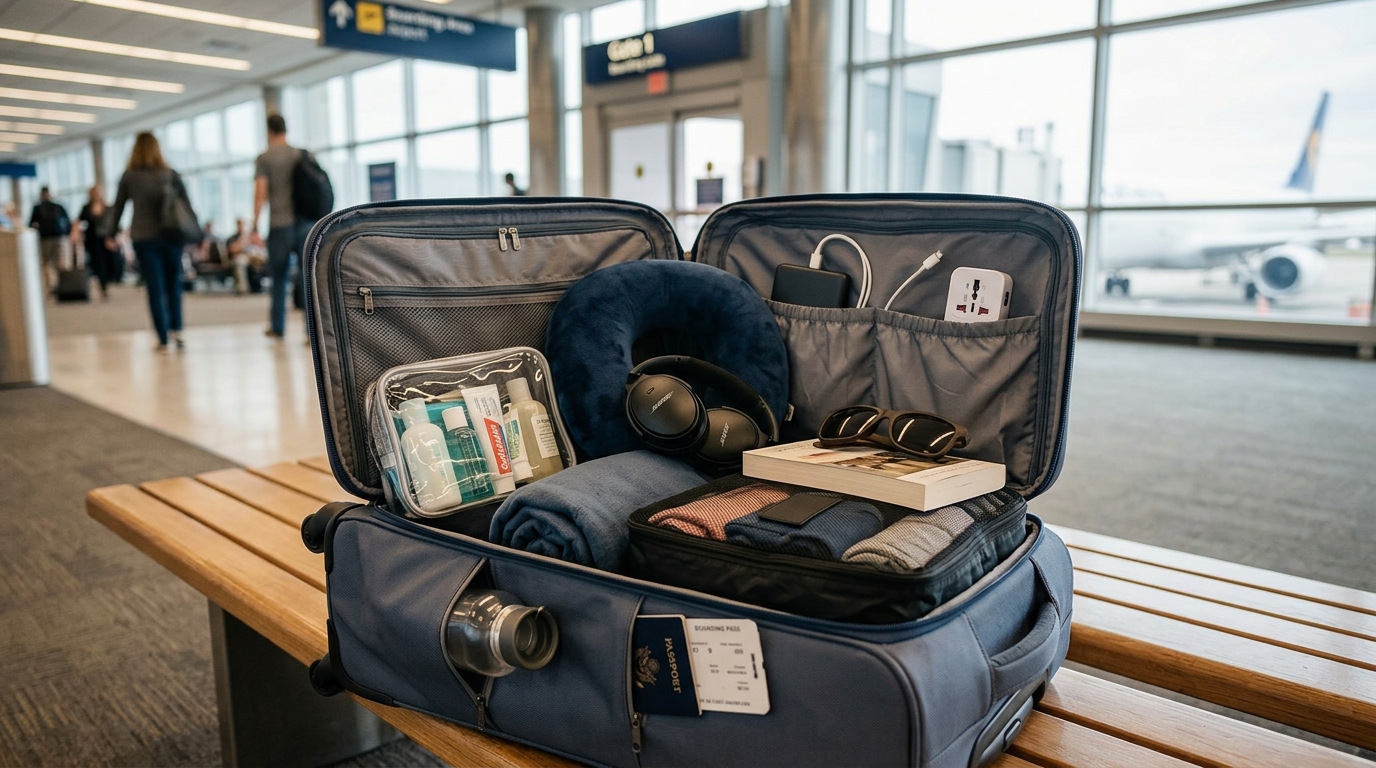
Your carry-on bag is your lifeline during a flight. Packing it strategically ensures you have everything you need to stay entertained, nourished, and comfortable.
Tech Essentials
Modern travel relies heavily on technology. Bring a universal travel adapter and a high-capacity power bank to keep your devices charged, as not all airplanes feature accessible power outlets. Noise-canceling headphones are a must-have for blocking out engine hum and loud passengers. Finally, download all your movies, podcasts, and offline maps before leaving home to avoid relying on slow or expensive airport Wi-Fi.
Comfort Items
Airplane cabins are notorious for fluctuating temperatures and dry air. Pack a lightweight scarf or a travel blanket to stay warm. A supportive neck pillow and an eye mask can significantly improve your chances of getting some sleep on long-haul flights. Wear loose, breathable clothing and slip-on shoes to maximize comfort and make security screening a breeze.
Health and Hygiene
Keep a small pouch dedicated to basic hygiene and health items. Lip balm and travel-sized lotion will combat the dry cabin air. Hand sanitizer and antibacterial wipes are essential for cleaning your tray table and armrests. Do not forget to pack your daily medications, a few pain relievers, and some chewing gum to help relieve ear pressure during takeoff and landing.
Navigating the Airport
Airports can be overwhelming, but a solid strategy helps you bypass the crowds and minimize stress.
Security Checkpoint Strategies
Dress strategically for the security line. Avoid wearing belts, heavy jewelry, or boots that take time to remove. Keep your liquids bag and your laptop easily accessible at the top of your carry-on. Enrolling in programs like TSA PreCheck or Global Entry can save you hours of waiting over the course of a year, allowing you to keep your shoes on and your electronics packed.
Lounge Access and Waiting Areas
If you have a long layover, consider purchasing a day pass to an airport lounge. Lounges offer complimentary food, fast Wi-Fi, and quiet seating areas away from the chaotic terminal. If lounge access is not an option, seek out empty gates or designated quiet zones to relax before boarding begins.
In-Flight Experience
Once you find your seat, your focus should shift to staying healthy and entertained for the duration of the flight.
Staying Hydrated and Nourished
Aviation experts recommend drinking plenty of water while flying to counteract the low humidity. Bring an empty, reusable water bottle through security and fill it up before boarding. While airlines provide snacks, it is always wise to pack your own nutrient-dense options like almonds, protein bars, or dried fruit to keep your energy levels stable. Avoid excessive caffeine or alcohol, as both can lead to dehydration and disrupt your sleep schedule.
Entertainment and Productivity
Use your time in the air to catch up on tasks or simply unwind. If you plan to work, organize your offline files beforehand. If your goal is relaxation, curate a specific playlist or dive into a good book. Taking brief walks up and down the aisle every few hours will keep your blood circulating and reduce muscle stiffness.
Booking Flights at the Best Price
Finding affordable plane tickets requires timing and strategy. Prices often fluctuate based on demand, season, and booking windows. To save money, try booking flights 1–3 months in advance for domestic trips and earlier for international travel. Use fare comparison websites and set price alerts to track deals. Flying on weekdays, especially Tuesdays and Wednesdays, can often reduce costs. Flexible travel dates also increase your chances of finding lower fares. Avoid peak holiday seasons if possible. Smart booking not only saves money but also gives you more options for better seats and flight schedules.
Understanding Airport Boarding Process
The boarding process can feel confusing for first-time travellers, but it follows a simple system. Airlines board passengers in groups based on seat class, priority status, or seat location. Always check your boarding pass for group number and gate information. Arrive at the gate early to avoid missing announcements. Listen carefully for boarding calls and follow instructions in order. Keep your passport and boarding pass ready for quick scanning. Understanding this process helps you avoid last-minute stress and ensures a smooth transition from the airport waiting area to your aircraft seat.
Travel Safety Tips During Flights
Flight safety is a top priority for airlines, and passengers also play a role in ensuring a secure journey. Always follow crew instructions during takeoff, landing, and turbulence. Keep your seatbelt fastened when seated, even if the sign is off. Store luggage properly in overhead bins to prevent injuries. Avoid blocking aisles during emergency instructions. Pay attention to safety demonstrations, especially if you are flying on a new airline. Staying calm and alert during unexpected situations helps ensure your safety and contributes to a smooth and secure flight experience.
Smart Packing for International Travel
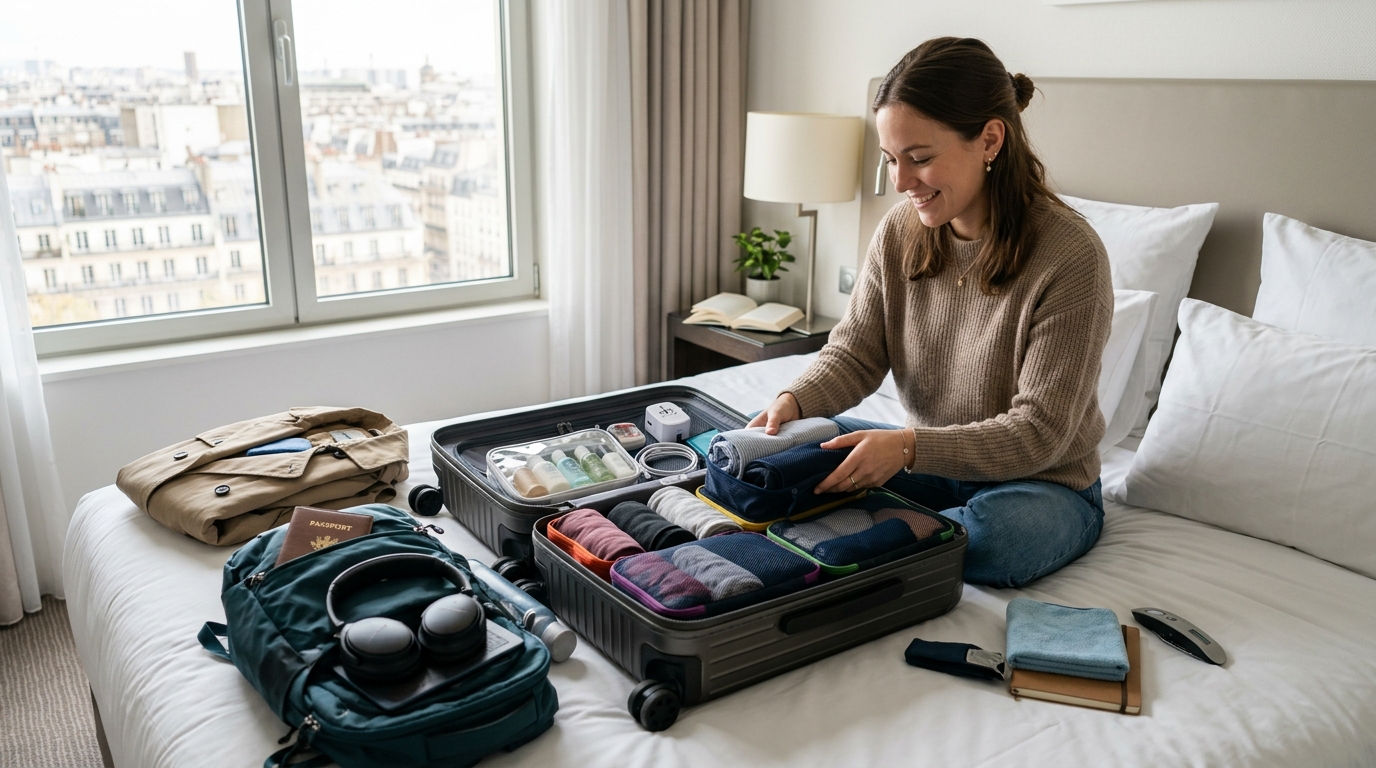
International flights require more detailed packing than domestic trips. Always check visa requirements, weather conditions, and local customs before packing. Carry essential documents like a passport, visa copies, and travel insurance in an accessible pouch. Pack versatile clothing suitable for different climates and cultural norms. Include a universal adapter for electronics and extra medication for the duration of your trip. Keep important items in your carry-on in case checked luggage is delayed. Smart international packing reduces stress, prevents last-minute issues, and ensures you are fully prepared for your destination.
Frequently Asked Questions About Plane Travel
1. What size liquid containers can I bring on a plane?
Aviation security rules typically follow the 3-1-1 liquids rule for carry-on bags. You are allowed to bring liquids, aerosols, gels, creams, and pastes in containers that hold 3.4 ounces (100 milliliters) or less per item. All of these items must fit securely inside a single, clear, quart-sized resealable bag. Any liquid containers larger than 3.4 ounces must be packed in your checked luggage.
2. How early should I arrive at the airport before a flight?
The general recommendation is to arrive at the airport two hours before a domestic flight and three hours before an international flight. This buffer allows ample time for checking bags, navigating security lines, and finding your gate. During peak travel seasons or holidays, you may want to add an extra hour to account for longer queues and potential delays.
3. Are power banks allowed in checked baggage?
No, power banks and lithium-ion batteries are strictly prohibited in checked baggage due to the risk of fire. You must pack all power banks, spare batteries, and e-cigarettes in your carry-on bag or personal item. Always ensure your devices are turned off or protected from accidental activation to comply with airline safety regulations.
4. What is the best way to prevent jet lag?
Preventing jet lag starts before you board. Gradually adjust your sleep schedule a few days before departure to match your destination’s time zone. Stay highly hydrated during the flight and avoid alcohol. Upon arrival, spend time in natural sunlight to help reset your internal clock, and try to stay awake until a normal local bedtime.
5. Can I bring my own food through airport security?
Yes, solid food items are perfectly fine to bring through security and onto the airplane. Items like sandwiches, crackers, fruit, and baked goods are allowed. However, foods that are liquid or spreadable, such as yogurt, peanut butter, soup, or hummus, are subject to the 3.4-ounce liquid rule.
6. How do I choose the best seat on a plane?
The best seat depends entirely on your personal preferences. If you want easy access to the restroom and the ability to stretch your legs, choose an aisle seat. If you want to sleep undisturbed and look out the window, select a window seat. Exit row seats offer extra legroom but require you to assist in an emergency, while seats near the front of the cabin allow for quicker boarding and deplaning.
7. What happens if my flight is delayed or canceled?
If your flight is delayed or canceled, head to the airline’s customer service desk immediately, while simultaneously calling their customer support line. Depending on the reason for the cancellation and local regulations, the airline is typically responsible for rebooking you on the next available flight. In certain situations, they may also provide vouchers for meals and hotel accommodations.
8. Is it safe to use airport public Wi-Fi?
Public airport Wi-Fi networks are generally unencrypted, making them vulnerable to cyber threats. It is safe for basic browsing, but you should avoid logging into bank accounts or transmitting sensitive personal information. To protect your data, use a reputable Virtual Private Network (VPN) when connecting to any public network.
9. How can I avoid ear pain during takeoff and landing?
Ear pain during flights is caused by rapid changes in cabin air pressure. You can equalize the pressure in your ears by yawning, swallowing, or chewing gum during ascent and descent. The Valsalva manoeuvre—gently pinching your nose, closing your mouth, and blowing out—can also help pop your ears. Special earplugs designed to regulate pressure are available for frequent flyers with sensitive ears.
10. What should I do if my luggage is lost?
If your checked bags do not appear on the carousel, report the issue to the airline’s baggage claim office immediately before leaving the airport. Provide them with your baggage claim ticket and a detailed description of your suitcase. Most delayed bags are located and delivered within 24 to 48 hours. Keep your file reference number handy to track the status online.
Ready for Your Next High-Flying Adventure?
Mastering the essentials of plane travel turns a daunting process into a highly efficient routine. By choosing the right gear, organizing your documents, and understanding airport procedures, you take total control over your travel experience. Planning allows you to handle unexpected delays or inconveniences with a calm mindset. Remember to double-check your packing list, hydrate often, and prioritize your comfort during the flight. Use these strategies on your next trip, and you will arrive at your destination refreshed, relaxed, and ready to explore. Safe travels on your upcoming journey!
