


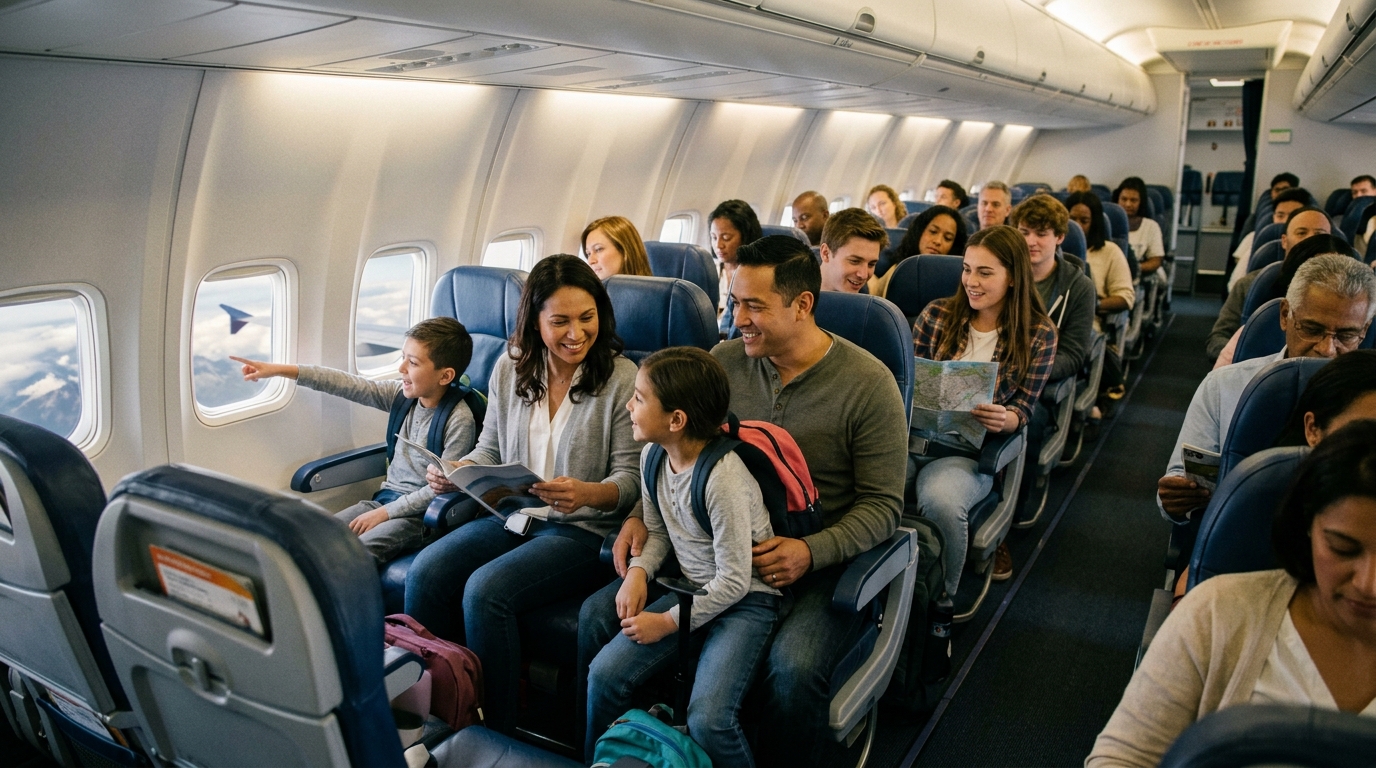
Travel does not have to be expensive or stressful. This Air Travel Guide shows how modern travelers can cut costs, book smarter, and fly more comfortably without sacrificing convenience. From timing and packing to airline choices and destination planning, every section is designed to help you travel better for less.
The modern traveler wants more than a ticket from one city to another. People want value, comfort, flexibility, and peace of mind. It helps you make smarter choices before you book, during the trip, and even after you land.
Airfare prices often change quickly, and many travelers feel unsure about when to book or which fare to choose. The good news is that low prices are still possible when you understand how airlines work.
Why Affordable Flying Matters More Than Ever

Travel costs now affect almost every part of a trip. Flights can take up a large part of the budget, which means smarter planning creates more room for hotels, food, activities, and local transport. A well-built Air Travel Guide helps you treat airfare as a strategy instead of a surprise expense.
Many travelers assume cheaper flying means worse experiences, but that is not always true. A good plan can help you find better fare classes, avoid unnecessary fees, and choose routes that fit your schedule.
A ticket that looks cheap at first can become costly if it includes hidden add-ons. Learning how to compare the full price matters more than simply chasing the lowest headline fare.
Start with Smart Planning
Good travel decisions begin long before you reach the airport. The more organized your trip is, the easier it becomes to control expenses. That is where smart research and timing make a difference.
Know Your Route Options
Some routes have direct flights, while others may require one or more stops. When comparing options, look at total travel time, layover length, baggage rules, and airport transfers. This is where budget air travel strategies can create real savings.
Compare Fare Types Carefully
Airlines often show a basic fare first, but the final price depends on baggage, seat selection, and change policies. That is why an affordable flight booking guide should always include the full trip cost. A lower base fare is not always a better deal if the extras quickly add up.
Use Flexible Dates When Possible
If your travel dates are not fixed, even small shifts can change the price significantly. Midweek departures, off-peak times, and shoulder seasons often cost less than peak travel days. One of the strongest flight booking hacks for travelers is simply allowing a bit more flexibility when searching.
Best Time to Book and Why It Works
Timing influences airfare more than many people realize. Airfare prices move based on demand, season, inventory, and route popularity. The best time to book cheap flights is often when demand is moderate and competition is high, not when everyone is searching at once.
There is no single magic day that works for every destination, but travelers usually benefit from monitoring prices early and booking when a fair rate appears. Waiting too long can raise prices, while booking too early may also miss temporary discounts.
Fare alerts, price calendars, and flexible search tools help you watch patterns instead of guessing. These tools make it easier to notice when a route becomes more affordable. If you use them consistently, your Air Travel Guide becomes much more practical and less dependent on luck.
A Simple Price Comparison Table
| Booking Habit | Possible Benefit | Risk to Avoid |
|---|---|---|
| Searching with flexible dates | Lower fares on less popular days | Accidentally choosing inconvenient times |
| Comparing total cost | Better value overall | Focusing only on the base fare |
| Booking early enough | More seat and schedule options | Booking too soon without checking trends |
| Using fare alerts | Easier price tracking | Ignoring baggage and change fees |
Cheap Air Travel Tips That Actually Help
The best cheap air travel tips are practical, repeatable, and based on real traveler behavior. Small choices can create big savings when they are applied consistently.
One simple tip is to search flights in incognito mode or clear your browser history occasionally. While this does not guarantee lower fares, it helps reduce distraction from repeated browsing and gives you a cleaner search experience. Another useful tip is to compare nearby airports. In some regions, a second airport can offer better pricing or better timing.
You can also save by bundling wisely. Sometimes a flight plus hotel package is cheaper than booking both separately. Other times, separate booking offers more control.
Low Cost Airline Travel Tips Without the Stress
Low-cost carriers can be great for savings, but only when you understand the rules. Many budget airlines offer basic fares that look excellent at first glance. However, the real price may increase if you need a checked bag, priority boarding, or extra legroom. Good low cost airline travel tips help you avoid surprises.
Before booking, read the airline’s baggage policy carefully. Weight limits, cabin bag dimensions, and personal item rules vary widely. A bag that works on one airline may incur extra charges on another.
It also helps to arrive early and keep your trip simple. Budget carriers often run on tight schedules, so missing a flight can become expensive quickly. If you pack light, plan ahead, and stay organized, low-cost flying becomes much easier to enjoy.
Affordable International Air Travel for Bigger Adventures
International travel can feel expensive, but it does not have to be out of reach. With the right strategy, affordable international air travel is possible even for travelers on a tighter budget. Destination choice, season, and flexibility all influence the final cost.
Some regions are naturally more affordable to reach because they have competitive routes or frequent airline service. Other destinations become cheaper when you avoid peak holidays or major school breaks.
Long-haul flights also require more attention to comfort and connections. When traveling internationally, consider visa requirements, layover duration, airport transfer time, and jet lag.
Budget Friendly Air Travel Guide for Different Travelers
Not every traveler has the same needs. A solo traveler may care most about price, while a family might prioritize schedule and baggage flexibility. A budget friendly air travel guide should reflect those differences.
Business travelers may need predictable schedules and change options. Students may want the lowest possible fare and can often benefit from midweek timing. Families may need to plan around school breaks, luggage, and seating. By matching your booking method to your travel style, you get more value from every trip.
For example, a solo backpacker can often choose the cheapest fare with a small bag, while a family of four may save more by paying slightly more for a flight with fewer baggage complications. The best choice is the one that fits your real travel needs, not just the lowest number on the screen.
Smart Air Travel Planning Tips Before You Click Book
Planning is one of the easiest ways to reduce frustration. Smart air travel planning tips include checking airport location, transit time, baggage rules, seat comfort, and cancellation terms before buying. A few extra minutes of research can prevent expensive problems later.
It is also wise to check local transportation options. A cheaper flight that arrives very late may cost more if it forces you to take a taxi instead of public transport.
Another practical habit is to keep travel documents organized. Passport expiration dates, visa requirements, and booking confirmations should all be easy to access. Good planning helps you stay calm at check-in, at security, and when boarding begins.
Air Travel Packing Essentials That Save Money
Packing well is one of the strongest ways to control trip costs. Many travelers forget that baggage fees can quietly increase the price of a flight. Choosing the right air travel packing essentials can help you avoid those costs and move through airports more easily.
A lightweight backpack, versatile clothing, charging cables, medication, toiletries, and travel documents are usually more important than overpacking extra outfits. Rolling clothes, using packing cubes, and limiting shoes can free up space without adding weight. In an Air Travel Guide focused on affordability, packing light is not just convenient; it is a money-saving habit.
For longer trips, plan outfits around mix-and-match pieces. That approach makes it easier to fit everything into a cabin bag. The less you check, the less you pay, and the faster you can move from the airport to your destination. This Air Travel Guide keeps decisions clear.
Flight Booking Hacks for Travellers Who Want More Value
There are many flight booking hacks for travellers, but the best ones are simple enough to use repeatedly. One common tactic is comparing one-way tickets with round-trip tickets, because the cheaper option can vary by route. Another is testing nearby departure dates to see whether the total price changes.
You can also check whether separate bookings are cheaper than a single itinerary. On some routes, combining airlines or booking split tickets creates savings. Still, that approach can add risk if a delay causes a missed connection, so it is best used carefully.
Loyalty points, travel cards, and airline promotions can also improve value, especially for travelers who fly often. Even when you are chasing a deal, it helps to remember that the cheapest flight is not always the best flight. A strong Air Travel Guide helps you balance savings with reliability.
Economy Air Travel Comfort Tips for a Better Flight

Flying cheaply should not mean suffering through the journey. Economy air travel comfort tips can make a major difference, especially on longer trips. Choosing a good seat, staying hydrated, and dressing in comfortable layers all improve the experience.
Bring a refillable water bottle when allowed, use a neck pillow if you know the flight will be long, and keep snacks handy for delays. Even basic comfort habits can reduce stress. Noise-cancelling headphones, an eye mask, and a power bank can also help you arrive in better shape.
Seat selection matters too. An aisle seat may be easier for movement, while a window seat may offer more rest. If you know your preferences in advance, you can plan more effectively without overspending.
Affordable Travel Destinations by Air Worth Considering
Sometimes the destination itself makes a trip more affordable. Certain cities and regions offer lower local costs, frequent flight availability, and strong tourism infrastructure. When travelers search for affordable travel destinations by air, they often discover that the savings continue after landing.
Places with strong public transport, budget hotels, and walkable neighborhoods can stretch your travel budget much further. Smaller cities can also offer better value than major hubs, especially if they are served by multiple airlines. This makes the whole journey feel more accessible. This Air Travel Guide keeps decisions clear.
Destination choice matters because airfare is only one part of the equation. A slightly cheaper ticket to a very expensive city may not be the best deal overall. A thoughtful Air Travel Guide always looks at the full trip experience, not just the plane fare.
A Practical Budget Checklist for Travelers
Before booking, use a quick checklist to keep your decisions organized:
- Check flexible dates
- Compare nearby airports
- Review baggage fees
- Compare total trip cost
- Monitor price changes
- Confirm cancellation rules
- Pack light
- Book when value feels right
This simple routine keeps your trip under control and makes budgeting easier. When travelers repeat the same process each time, the results become more predictable. That consistency is one of the biggest advantages of following an Air Travel Guide rather than booking impulsively.
How to Save Money on Flights Without Missing Out
Many travelers wonder how to save money on flights without choosing inconvenient routes or poor service. The answer is to focus on value, not just price. A cheap ticket is useful only if it still supports your schedule, baggage needs, and comfort level.
That means thinking about the full travel chain. Airport distance, transfer costs, boarding time, and arrival hour all matter. When you compare the complete picture, the best deal becomes easier to identify.
A flexible mindset also helps. Sometimes shifting your trip by one day creates enough savings to justify the change. Other times, choosing a different route or alternate airport produces a better result. The more options you are willing to compare, the better your odds of finding value. This Air Travel Guide keeps decisions clear.
The Psychology Behind Better Travel Decisions
Travel decisions are not always logical. People often rush when they see a timer, fear missing a deal, or choose the first option that looks good. Good travel planning reduces those emotional mistakes.
Scarcity and urgency can push people into paying more than necessary. To avoid that, compare multiple options before buying. Save your research, revisit your favorites, and check the final cost with add-ons included. That pause often leads to better results.
Confidence also matters. Travelers who know their route, policy, and budget feel less anxious and make better choices. The more you practice, the easier it becomes to book smartly without stress. This Air Travel Guide keeps decisions clear.
Conclusion
Affordable flying is not about luck. It is about timing, research, flexibility, and clear priorities. When you use the right methods, you can lower airfare costs, avoid unnecessary fees, and make the whole trip smoother from start to finish. A reliable Air Travel Guide helps travelers think ahead, compare carefully, and book with confidence. From packing light to choosing the right season, every small decision adds up. The result is a better travel experience that protects your budget without sacrificing comfort or convenience. Use these habits on your next trip, and you will feel the difference immediately.
FAQs
1. What is the best way to find cheap flights?
The best approach is to compare flexible dates, monitor price alerts, and check nearby airports. A thoughtful Air Travel Guide makes it easier to spot real value instead of chasing the first low fare.
2. How far in advance should I book airfare?
It depends on route and season, but booking with enough time to compare trends usually works well. For many travelers, watching prices early gives the best chance of finding a fair deal.
3. Are budget airlines worth it?
Yes, if you understand the baggage rules and fee structure. Budget airlines can save money when you travel light and keep your itinerary simple.
4. How can I avoid baggage fees?
Pack fewer items, choose a cabin-friendly bag, and review the airline’s dimensions before traveling. Lightweight packing is one of the most effective ways to reduce costs.
5. Is it better to book one-way or round-trip flights?
It depends on the route. Sometimes round-trip tickets are cheaper, while other times one-way combinations create better value. Always compare both before deciding.
6. What should I pack for a long flight?
Bring travel documents, chargers, snacks, medication, a jacket or layer, and comfort items like headphones or a neck pillow. Keeping essentials close makes the trip easier.
7. How do I make economy flights more comfortable?
Choose your seat carefully, dress in layers, stay hydrated, and bring items that support rest. Small comfort choices can make a big difference on longer journeys.
8. Are international flights always expensive?
No. Fare changes, seasonal demand, and destination choice all affect pricing. Flexible dates and smart planning can make international travel much more affordable.
9. What is the biggest mistake travelers make when booking flights?
Many travelers focus only on the base fare and ignore baggage, seat, and change fees. Comparing the total cost gives a more accurate picture.
10. How do I keep flight planning simple?
Use a repeatable process: compare dates, review fees, check routes, and book only after you understand the full cost. A clear system saves time and reduces stress.
