


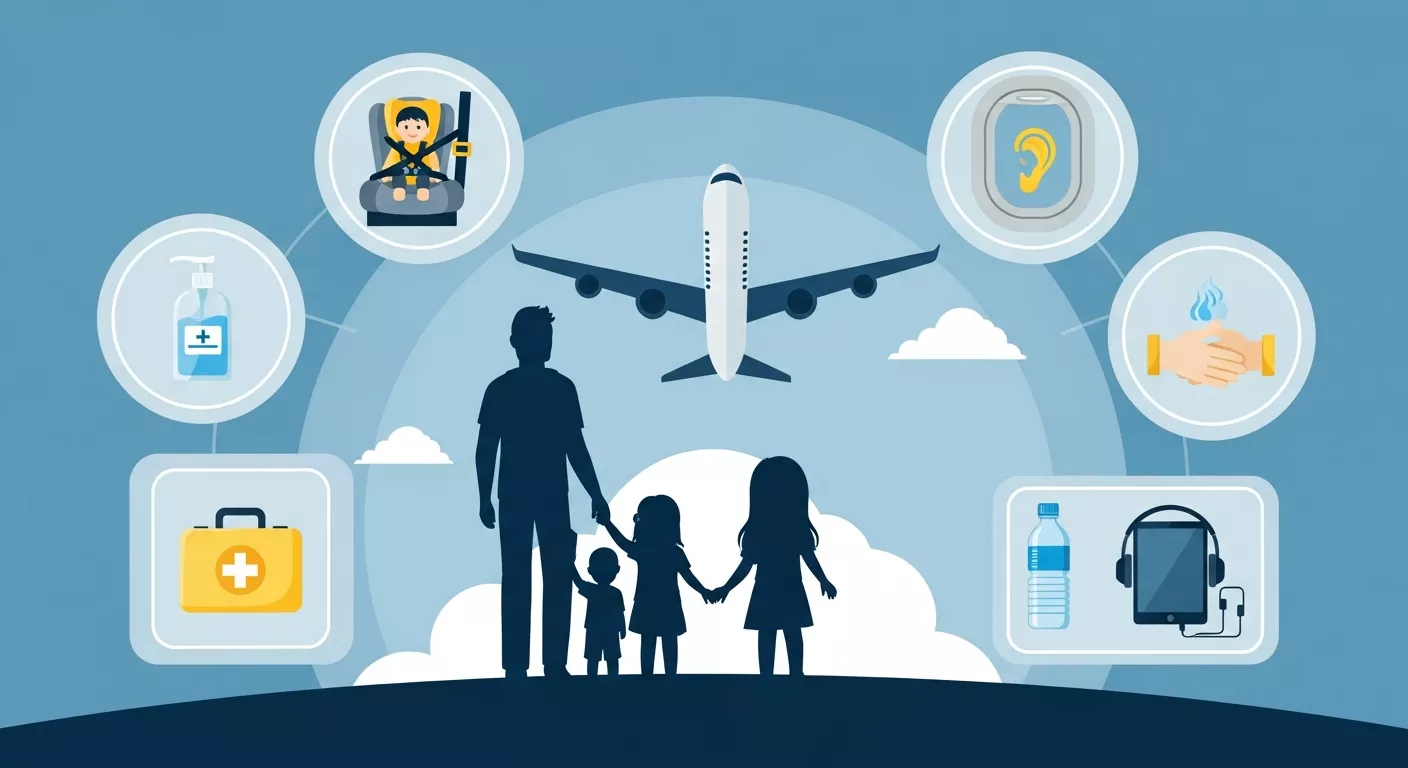
Family air travel safety depends on preparation, hygiene, seating choices, and child comfort strategies. Planning ahead, managing health risks, and maintaining calm routines help reduce stress and ensure a safer, smoother flight experience for parents, children, and extended family travel
Traveling by air with your loved ones opens up a world of adventure and shared memories. Yet, coordinating a trip with children and extended family members requires careful planning, especially regarding safety and health. The confined space of an airplane cabin, the bustle of busy terminals, and the disruption of normal routines present unique challenges for parents and guardians.
Knowing how to navigate these challenges ensures that everyone arrives at your destination healthy, happy, and ready to explore. From selecting the most family-friendly flight times to packing the right sanitization supplies, preparation makes all the difference. Understanding airline policies on child restraint systems and health protocols will give you peace of mind before you even step foot in the airport.
Pre-Flight Preparation
The foundation of a safe family trip is established long before you arrive at the departure gate. Careful planning reduces stress and mitigates potential safety risks.
Choosing the Right Flight
Booking direct flights whenever possible minimizes the risk of exposure to crowded airport terminals during layovers. Non-stop travel also reduces the physical and emotional fatigue that often leads to weakened immune systems and cranky children. If a layover is unavoidable, try to schedule at least two hours between flights. This buffer prevents the need to sprint through crowded concourses with small children and heavy carry-on bags.
Packing a Dedicated Safety Kit
Your carry-on baggage should always include a well-stocked family safety kit. Standard first-aid supplies like bandages, antiseptic wipes, and pain relievers are essential. Beyond the basics, pack ample supply of disinfecting wipes, hand sanitizer, and any necessary prescription medications. Keep this kit easily accessible under the seat in front of you rather than in the overhead bin.
Navigating the Airport Safely
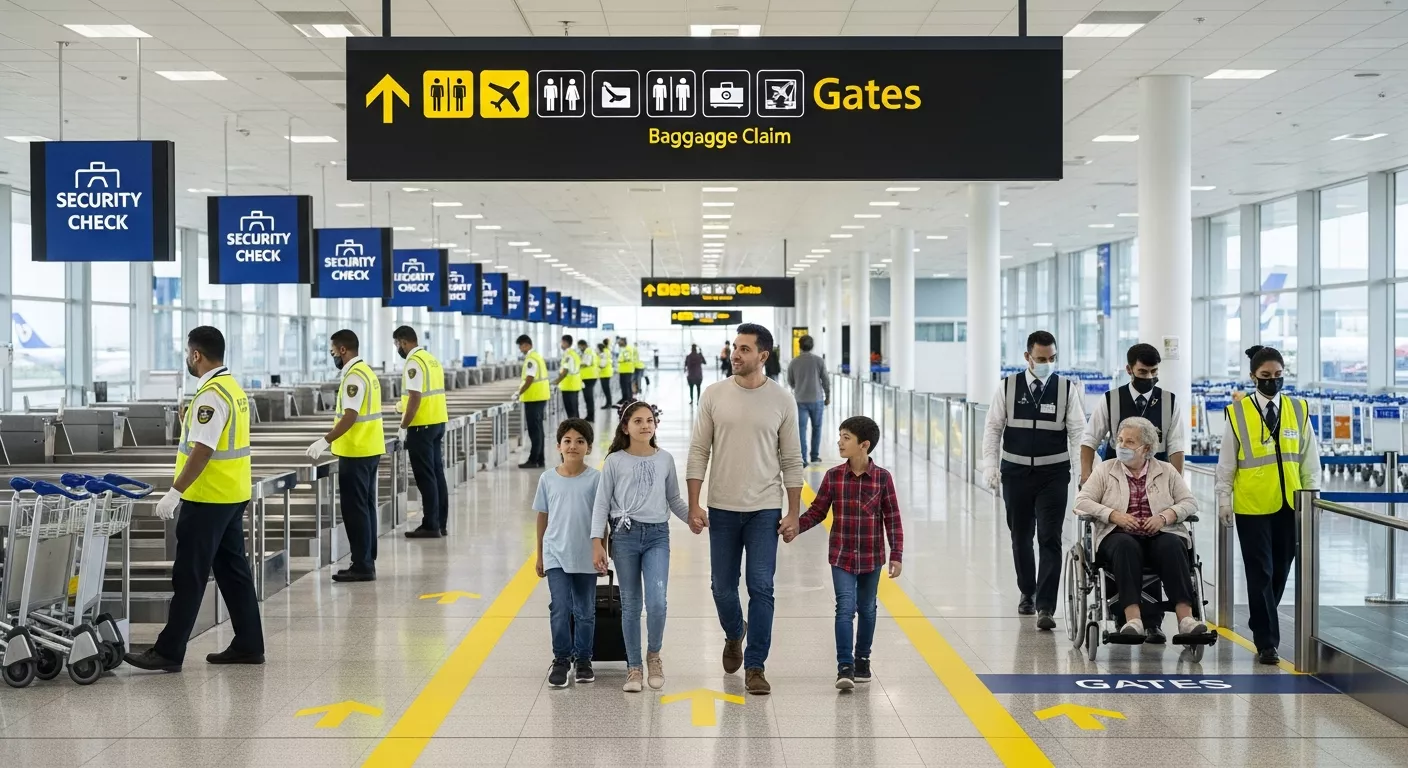
Airports are heavily trafficked environments where young children can easily become separated from their guardians or exposed to common illnesses.
Security Checkpoint Strategies
Explain the TSA screening process to your children before you leave home so they know what to expect. Dress the family in slip-on shoes and avoid clothing with excess metal hardware to speed up the screening process. Keep a close eye on your children as you gather your belongings from the conveyor belt. Assign one adult to manage the luggage while the other adult focuses entirely on watching the kids.
Safe Boarding Practices
Many airlines offer pre-boarding for families with young children. Utilize this time to safely install car seats and wipe down high-touch surfaces around your assigned seats. Wiping down the tray table, armrests, seatbelt buckles, and air vents significantly reduces the risk of your family contracting common colds or viruses.
In-Flight Safety and Comfort
Once you are seated and the aircraft doors close, your focus must shift to keeping your family physically secure and comfortable during the journey.
Utilizing Child Restraint Systems
While airlines allow children under two to fly as lap infants, aviation safety experts highly recommend purchasing a separate seat for your baby and using a government-approved Child Restraint System (CRS). A car seat approved for air travel provides the highest level of protection during severe turbulence or an emergency landing. Ensure the CRS is properly secured using the airplane seatbelt according to the manufacturer’s instructions.
Seating Arrangements
When selecting seats, keep children away from the aisle. Aisle seats expose kids to potential injuries from passing beverage carts and the heavy foot traffic of passengers moving to the restrooms. Window seats are generally the safest option for young travelers. They keep children contained and provide a welcome distraction during the flight.
Health Hygiene in Flight
In addition to basic cleaning practices, maintaining strong hygiene habits throughout the flight is essential for protecting family health. Airplane cabins circulate air through HEPA filtration systems, but frequent contact with shared surfaces still increases exposure to germs. Encourage every family member to sanitize hands regularly, especially before eating and after touching tray tables, seat pockets, or lavatory doors.
Bringing personal items like blankets, pillow covers, and reusable water bottles reduces reliance on shared airline supplies. Teach children to avoid touching their face and to use tissues when coughing or sneezing.
Hydration also plays a key role in keeping immunity strong during travel. Cabin air is very dry, so drinking water regularly helps prevent fatigue and throat irritation. Limiting sugary snacks and caffeine for children can further support overall comfort.
A consistent hygiene routine during the flight not only reduces illness risk but also helps children build healthy travel habits for future journeys.
Managing Jet Lag for Families
Long-haul flights across multiple time zones can disrupt the body’s natural sleep cycle, especially for children who rely on consistent routines. To minimize jet lag, gradually adjust bedtime schedules a few days before departure so the transition is smoother.
During the flight, encourage rest by syncing sleep with the destination time zone rather than your home schedule. Limiting screen time and using eye masks or neck pillows can help children fall asleep more easily in unfamiliar environments.
After arrival, exposure to natural daylight helps reset the internal clock and reduces fatigue more quickly. Staying hydrated and eating light meals also supports smoother adaptation to new time zones for the whole family.
With small adjustments before, during, and after travel, families can reduce jet lag effects and recover faster upon reaching their destination.
Entertainment & Stress Reduction During Flights
Keeping children entertained during a flight is one of the most effective ways to reduce stress for the entire family. Pack a variety of activities such as coloring books, puzzles, tablets with downloaded shows, and small toys to maintain engagement.
Rotating activities every 20 to 30 minutes helps prevent boredom and reduces restlessness in younger children. Noise-canceling headphones can be particularly helpful for children sensitive to engine sounds or cabin noise.
Interactive games, storytelling, and family conversation also help pass time while strengthening emotional bonding during travel. Keeping expectations realistic and maintaining a calm attitude as parents can significantly influence children’s behavior and comfort levels.
When children are engaged and relaxed, the entire flight experience becomes smoother, safer, and far less stressful for everyone on board.
Emergency Preparedness and Communication
Being prepared for unexpected situations during air travel helps families stay calm and respond effectively. Before the flight, ensure all emergency contact information is accessible both digitally and in printed form.
Teach older children basic instructions such as identifying airline staff, staying in seats during turbulence, and following safety announcements. Know the location of emergency exits and oxygen masks, and briefly review safety cards with your family before takeoff.
Keep important documents like passports, tickets, and medical records in a secure, easily accessible pouch. In case of a medical issue, immediately inform the cabin crew, as they are trained to coordinate assistance quickly.
A clear plan and basic awareness help reduce panic and ensure the family can respond calmly and safely to any unexpected in-flight situation.
Handling Flight Delays and Unexpected Disruptions
Flight delays and cancellations are common in air travel, and they can be especially challenging for families with children. Preparing for disruptions in advance helps reduce stress and maintain safety. Always keep essential items like snacks, water, medications, diapers, and entertainment in your carry-on rather than checked luggage. This ensures your family can stay comfortable even during long airport waits.
If a delay occurs, try to keep children in a calm routine by maintaining regular meal and rest schedules as much as possible. Use airport family rest zones or quieter waiting areas when available to reduce overstimulation. Clear communication is also important—explain delays to children in simple terms to prevent anxiety.
Having a flexible mindset and backup plans, such as alternative flight options or hotel arrangements for long delays, helps parents stay in control of the situation while keeping children safe and reassured throughout the disruption.
Smart Packing and Luggage Organization for Families
Efficient packing plays a major role in ensuring safe and stress-free family air travel. Organizing luggage by categories—such as clothing, hygiene items, medications, and entertainment—makes it easier to access essentials quickly during the journey. Each child should have a small personal bag with their favorite items, snacks, and comfort objects to reduce anxiety during travel.
Keep all critical items, including passports, tickets, and medical supplies, in a single easily reachable pouch or organizer. This reduces confusion during security checks and boarding. Use clear zip bags for liquids and hygiene products to comply with airport regulations and speed up screening.
Labeling children’s belongings also helps prevent loss in busy airports. Avoid overpacking checked luggage and prioritize lightweight, multi-use clothing. Smart packing not only improves convenience but also enhances safety by ensuring essential items are always within reach when needed.
Nutrition and Hydration Strategy for Children
Proper nutrition and hydration are essential for keeping children comfortable and healthy during air travel. Airplane cabins have low humidity, which can lead to dehydration more quickly than on the ground. Encourage children to drink water regularly throughout the flight instead of relying on sugary drinks or caffeine, which may increase dehydration and restlessness.
Packing healthy snacks such as fruit slices, crackers, nuts, or sandwiches helps maintain energy levels and avoids reliance on limited airline food options. Avoid heavy or overly sugary meals before and during the flight, as these can contribute to discomfort or motion sensitivity.
For infants, ensure formula or breastfeeding schedules are maintained as closely as possible to their routine. Older children benefit from light, balanced meals that are easy to digest. A consistent focus on hydration and nutrition helps stabilize mood, reduce fatigue, and support overall well-being throughout the journey.
Documentation, Identification, and Travel Insurance Safety
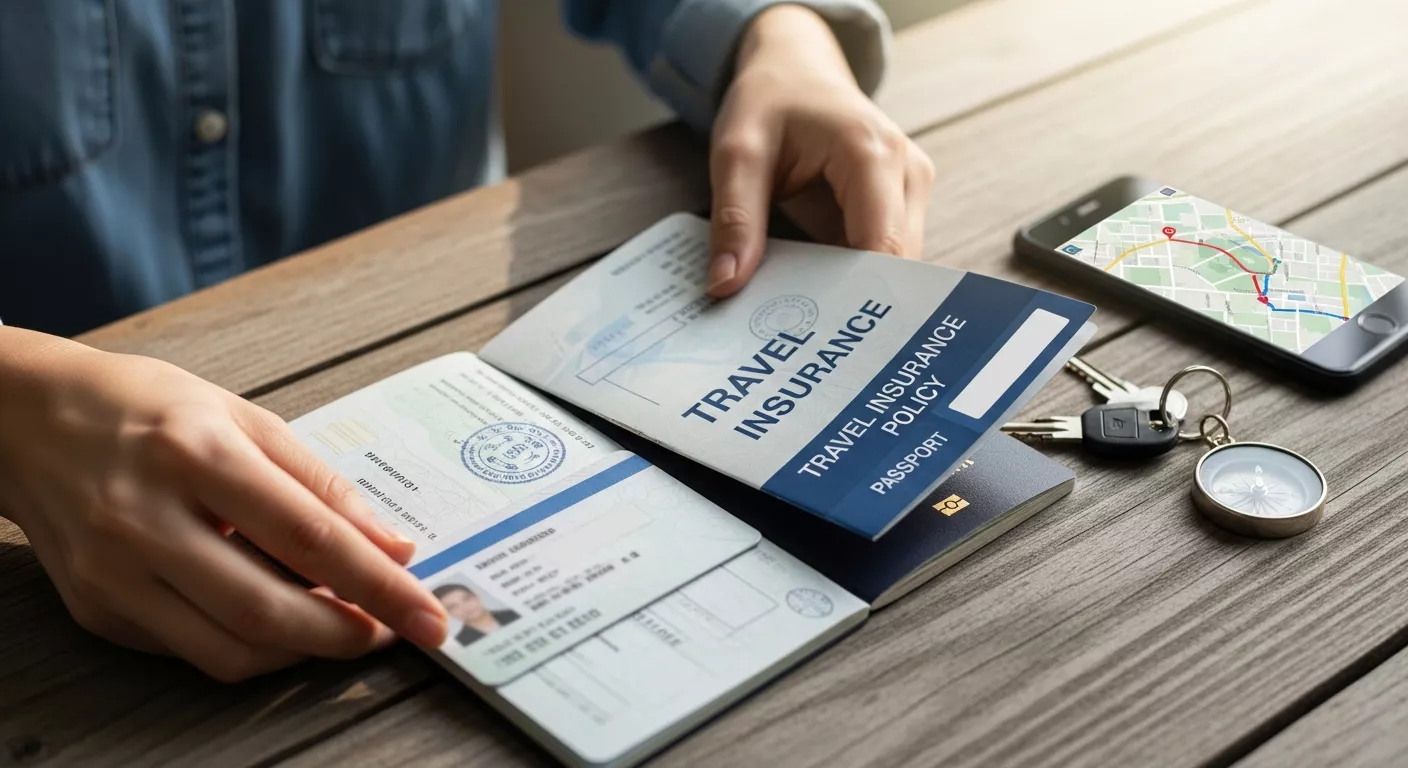
Having proper documentation is a critical part of safe family air travel. Ensure every family member carries valid identification, passports, visas (if required), and boarding passes in an organized and secure folder. For children traveling with only one parent or guardians, some countries may require additional consent documents, so checking airline and destination requirements in advance is essential.
Digital copies of important documents stored securely on a phone or cloud service provide an extra layer of protection in case of loss. Travel insurance is also highly recommended, as it can cover medical emergencies, lost luggage, and unexpected trip cancellations.
Keeping emergency contact information easily accessible ensures quick communication in case of an issue during travel. Proper documentation and insurance preparation not only prevent legal or logistical complications but also provide peace of mind, allowing families to focus on enjoying their journey safely.
Frequently Asked Questions (FAQ)
1. Are lap infants safe on airplanes?
While airlines legally permit children under age two to fly on an adult’s lap, the Federal Aviation Administration (FAA) and pediatricians strongly advise against it. Unexpected severe turbulence can make it physically impossible for an adult to hold onto an infant safely. Purchasing a ticket for your child and using an approved car seat is the safest method of air travel.
2. What is an FAA-approved child restraint system?
An FAA-approved CRS is a hard-backed child safety seat that meets specific government safety standards for motor vehicles and aircraft. Look for a label printed on the seat stating, “This restraint is certified for use in motor vehicles and aircraft.” The CARES child aviation restraint system is also an approved harness-style alternative for older toddlers.
3. How can I protect my family from germs on the plane?
Bring antibacterial wipes to thoroughly clean all hard surfaces around your family’s seating area immediately upon boarding. This includes tray tables, armrests, window shades, and seatbelt buckles. Encourage your children to wash their hands frequently or use hand sanitizer, especially before eating snacks.
4. What should I pack in a family flight safety kit?
A robust safety kit should include infant or children’s pain relievers (like acetaminophen or ibuprofen), bandages, an antiseptic ointment, motion sickness medication, hand sanitizer, disinfecting wipes, a digital thermometer, and any required prescription medications. Keep this bag within arm’s reach during the flight.
5. How do I help my child with ear pressure during takeoff and landing?
Changes in cabin pressure can cause severe ear discomfort for children. Encourage swallowing to help equalize the pressure. Infants can nurse or drink from a bottle during ascent and descent. Older children can chew gum, suck on a hard candy, or drink water through a straw.
6. Can I bring liquid medications through airport security?
Yes. The TSA allows passengers to bring medically necessary liquids, medications, and creams in excess of the standard 3.4-ounce limit. You must declare these items to a security officer before the screening process begins. They may require additional screening, so pack them in an easily accessible part of your carry-on.
7. What is the best seat on a plane for a family with kids?
Bulkhead seats offer extra floor space, which is great for parents with infants, as many airlines can attach a bassinet to the bulkhead wall. For older toddlers and children, window seats are ideal. They prevent kids from reaching into the aisle where they could be bumped by a food cart or other passengers.
8. How can I keep my children from wandering in the airport?
Maintain physical contact in crowded areas by holding hands. For highly active toddlers, a child safety harness or a stroller provides a secure way to navigate busy terminals. Establish clear rules about staying close to family members and designate a specific meeting spot in case you get separated.
9. Are flight attendants trained to help with pediatric medical emergencies?
Flight attendants receive training in basic first aid, CPR, and the use of Automated External Defibrillators (AEDs). Commercial aircraft are also equipped with emergency medical kits. If a serious medical event occurs, the flight crew can consult with ground-based medical professionals via radio to determine the best course of action.
10. What should I do if my child gets motion sickness on the flight?
Prepare ahead of time by speaking to your pediatrician about safe motion sickness medications for your child’s age group. During the flight, direct cool air from the overhead vent onto your child’s face. Keep them hydrated with small sips of water and instruct them to focus on a fixed point, rather than reading or watching a screen. Keep the airline-provided sick bags readily available.
Safe Travels Await
Protecting your children and extended family during a flight requires diligence, but the effort pays massive dividends. By proactively managing your travel arrangements, securing your seating environment, and preparing for minor medical needs, you establish a secure foundation for your journey. Implementing these safety protocols allows you to relax and enjoy the flight, knowing your family’s health and well-being are fully protected.
