


Air travel safety is about preparation, awareness, and smart habits. From packing essentials and following crew instructions to staying hydrated and alert, these practical tips help travellers reduce risks, handle unexpected situations confidently, and enjoy a smoother, safer flying experience from departure to arrival.
Air travel is one of the fastest and most convenient ways to explore the world, visit loved ones, and reach business destinations. Millions of people fly every day, and for the vast majority, the journey is smooth and uneventful. Still, being a smart traveller means more than finding the cheapest fare or packing a carry-on efficiently. It means knowing how to stay safe before takeoff, during the flight, and after landing.
Airline travel safety is not about fear. It is about preparation, awareness, and confidence. When you understand what to expect and how to respond in different situations, flying becomes much less stressful. From choosing the right seat and securing your belongings to staying healthy in the air and following crew instructions, small decisions can make a big difference.
Why Airline Travel Safety Matters
Many people assume that once they are on the plane, their job is over and the crew will handle everything. While flight attendants and pilots are highly trained to manage emergencies and keep passengers safe, travellers still play an important role. Good safety habits begin long before you board and continue until you have reached your destination.
Safety matters because air travel includes several stages, and each stage comes with different risks and responsibilities. At the airport, you may need to manage crowds, security checks, luggage, and time pressure. During the flight, you must pay attention to seat belts, emergency procedures, hygiene, and personal comfort. After landing, you still need to remain alert while collecting belongings and moving through busy terminals or transportation areas.
The more prepared you are, the more relaxed and confident you will feel. Good preparation also helps you handle unexpected situations, such as delays, turbulence, lost bags, or changing health needs. In many cases, being safe is as simple as being thoughtful.
Start with Smart Planning Before You Fly

Safe travel begins before you leave home. A well-planned trip reduces stress and helps you avoid last-minute problems.
First, check your travel documents carefully. Make sure your passport, visa, ID, boarding pass, and any required permits are valid and easy to access. Keep both digital and physical copies of important documents in case one version becomes unavailable. It is also wise to save emergency contact numbers and flight details in your phone and on paper.
Next, review airline rules before packing. Different airlines have different limits for carry-on bags, checked luggage, liquids, batteries, and special items. Knowing the rules in advance helps you avoid unnecessary delays at security or the gate. It also reduces the chance of having to repack in a hurry.
If you take medication, pack it in your carry-on instead of your checked bag. Bring enough for the full trip, plus a little extra in case of delays. Keep medications in their original containers when possible, especially if they need to be explained at security or customs. If you have a medical condition, consider carrying a short note from your doctor, especially for long-distance or international flights.
It is also useful to check weather conditions and flight updates before leaving for the airport. Bad weather can lead to delays, cancellations, or extra waiting time. A little checking beforehand can help you leave earlier, choose better clothing, and prepare snacks or charging cables if needed.
Pack with Safety in Mind
Packing is not only about convenience. It is also part of travel safety.
A smart carry-on should include essentials you may need if your checked bag is delayed. These items usually include identification, medication, a charger, headphones, a water bottle, snacks, a light jacket, a small toiletry kit, and one change of clothes. Keep valuables such as jewellery, cash, electronics, and important documents with you rather than in checked luggage.
Do not overload your bags. Heavy luggage can be difficult to lift into overhead bins and may cause injury. Pack only what you can manage comfortably. If your bag is too heavy, consider redistributing items or checking a second bag if allowed.
Be careful with restricted items. Sharp objects, flammable materials, and some liquids are not permitted in carry-on bags. Lithium batteries and power banks often have specific rules. Reviewing these items before you pack can save time and prevent confiscation.
If you travel with children, pack extra supplies in an easy-to-reach location. Wipes, tissues, snacks, medicine, toys, and a spare outfit can make the journey calmer and safer. If you travel with older adults or anyone with mobility or medical needs, keep essential support items close at hand.
Arrive Early and Stay Calm at the Airport
Airports can feel rushed, crowded, and noisy, especially during peak travel times. One of the best safety tips is simple: arrive early. When you are not hurrying, you are less likely to forget something, make mistakes, or feel overwhelmed.
Give yourself enough time for check-in, security screening, finding your gate, and handling unexpected delays. Rushing often leads to poor decisions, such as leaving belongings behind or missing important announcements. If you arrive early, you have time to eat, hydrate, and check for gate changes without panic.
Stay aware of your surroundings. Airports are busy places, and distractions can lead to lost items or confusion. Keep your phone charged and your belongings visible. Do not leave your bags unattended, even for a short time. Use only your own luggage and double-check bag tags before handing anything over.
It is also a good idea to listen carefully to airport announcements and monitor flight information screens. Gates can change, boarding times can shift, and delays can be updated without much notice. Staying informed helps you avoid unnecessary stress.
Security Screening Tips That Save Time and Trouble
Security checkpoints are a normal part of flying, but they can be smoother when you know what to expect.
Before you reach the line, place metal items, large electronics, and liquids in the correct position so you are ready to remove them if needed. Keep your boarding pass and ID easy to access. Wear shoes that are easy to take off and put back on if your airport or airline requires it. Simple clothing can help you move through screening more quickly and comfortably.
Stay patient and follow instructions from security staff. They are there to protect all travellers, and cooperation helps the process move efficiently. If you are unsure about a rule, ask politely rather than guessing. The rules can change by country and airport, so checking in advance is always helpful.
Be respectful with your belongings during screening. Make sure you collect everything from the bins before walking away. A surprising number of travellers leave behind phones, watches, wallets, and headphones because they are in a hurry.
Choose Your Seat with Comfort and Safety in Mind
Seat choice is often about comfort, but it can also affect your sense of safety and peace of mind.
If you feel anxious during turbulence, a seat over the wing often feels steadier because it experiences less noticeable movement than some rear seats. If you prefer to move around easily, an aisle seat may be more convenient. If you want a quieter experience, seats away from lavatories and galleys are usually better. There is no perfect seat for everyone, but thinking ahead can improve your experience.
Once you sit down, locate the nearest exits. Count the rows between your seat and the closest exit in front of and behind you. This is a simple safety habit recommended by many flight safety experts because smoke or poor visibility can make it hard to see during an emergency. Knowing your route in advance can help you react more quickly if needed.
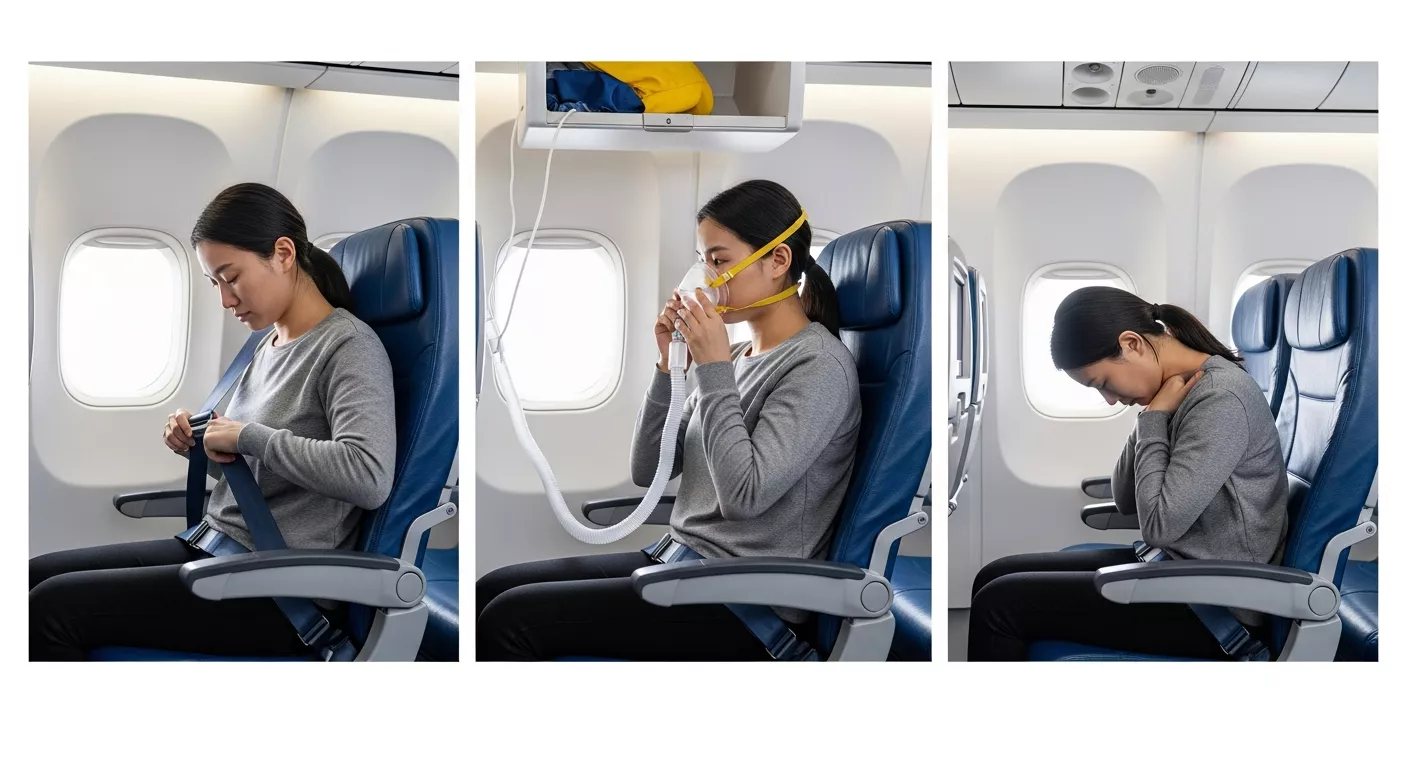
Take a moment to understand your seat belt, tray table, oxygen mask, and life vest instructions. Even if you have flown many times, reviewing the safety card in the seat pocket is worthwhile. Every aircraft can be slightly different.
Follow the Seat Belt Rule
The seat belt is one of the simplest and most important safety tools on the plane. Keep it fastened whenever you are seated, even if the seat belt sign is off. Sudden turbulence can happen without much warning, and a fastened belt helps protect you from injury.
Adjust the belt so it fits snugly across your lap. If you are wearing a coat or blanket, make sure the belt is still properly secured underneath. In rough weather or when the plane is climbing or descending, follow the crew’s instructions immediately.
If you need to stand, move slowly and pay attention to the aircraft’s movement. Use the seat backs and overhead supports carefully. Many cabin injuries happen when passengers stand too quickly or try to reach for luggage during turbulence.
Listen to the Flight Crew
Flight attendants are trained for safety, emergency procedures, and passenger assistance. Their instructions matter.
If they ask you to return to your seat, fasten your seat belt, put away luggage, adjust your seat, or stop using certain items, follow those directions right away. These instructions are not random. They are based on flight conditions, regulations, and the need to keep everyone safe.
Treat the crew respectfully and stay calm if there is a delay or change in service. When passengers cooperate, the cabin is safer and easier to manage. If you are unsure about something, ask politely. Good communication can prevent misunderstandings.
Protect Your Health During the Flight
Airline travel safety is not only about emergencies. It also includes protecting your health in the air.
Cabin air is dry, and long flights can leave you feeling dehydrated or tired. Drink water regularly and avoid relying only on coffee, tea, or sugary drinks. Bring an empty water bottle through security and fill it after screening if allowed. Staying hydrated can help reduce headaches, dryness, and fatigue.
Move around during long flights when it is safe to do so. Standing up, stretching, and walking briefly can help circulation, especially on long-haul trips. If you cannot walk around often, flex your feet and ankles while seated.
Try to rest when possible, especially on overnight flights. A neck pillow, eye mask, or light blanket can improve comfort. Keep your important items close so you do not need to search through bags repeatedly while trying to sleep.
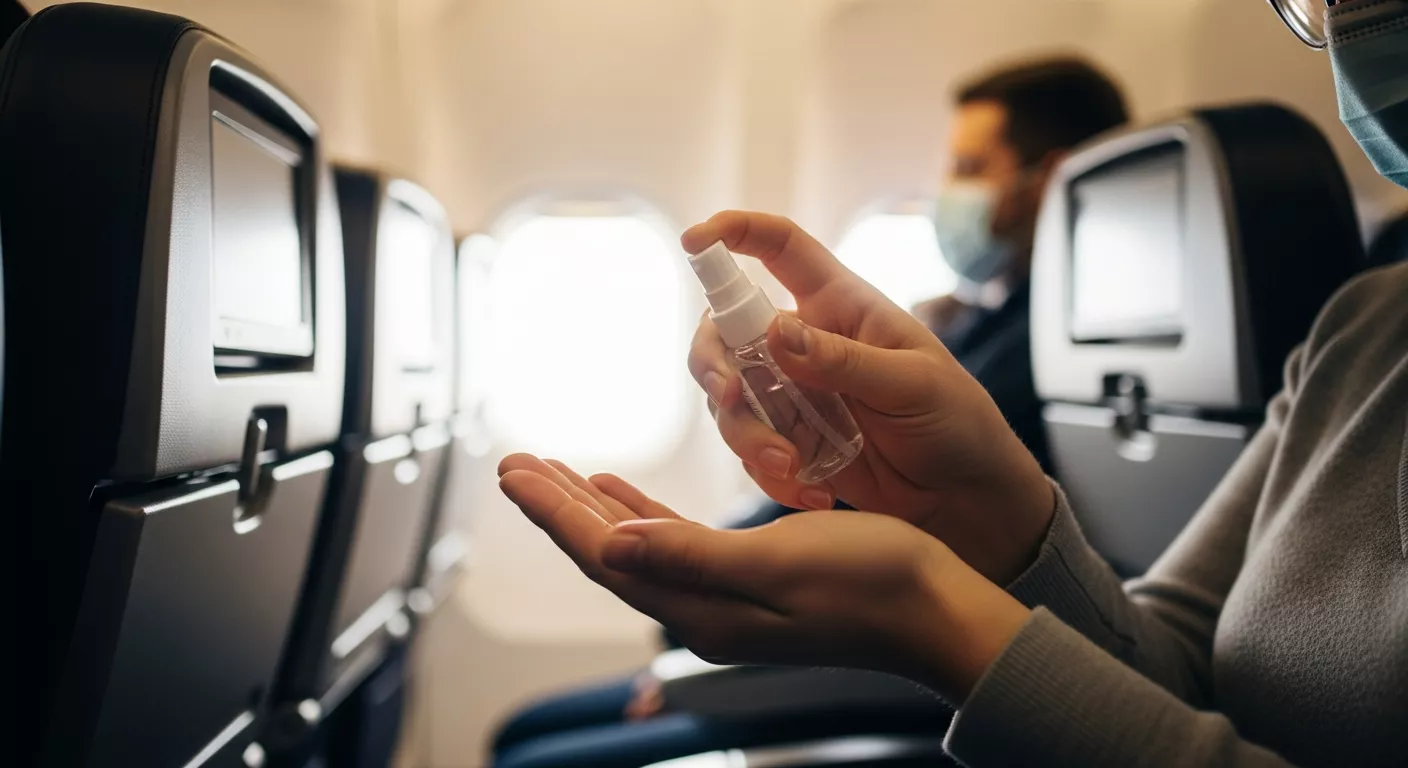
Wash or sanitize your hands before eating and after touching shared surfaces. Airplane tray tables, seat pockets, and armrests are used by many people, so basic hygiene helps reduce exposure to germs. If you are travelling during flu season or while feeling unwell, consider wearing a mask if it makes you more comfortable.
If you have a medical condition, talk to a healthcare professional before flying, especially on long flights or if you have recently had surgery, a respiratory issue, or a circulatory concern. It is always better to plan than to deal with discomfort in the air.
Manage Turbulence Without Panic
Turbulence can feel alarming, but it is usually a normal part of flying. Pilots are trained to handle it, and aircraft are designed to withstand it.
When turbulence begins, stay seated and keep your seat belt fastened. Put away loose items that could fall or shift. Avoid standing unless the crew says it is safe. If you are worried, focus on slow breathing and remember that movement in the cabin does not necessarily mean the plane is in danger.
It may help to look at the crew. Flight attendants often remain calm and continue their duties when turbulence is routine, which can reassure passengers. Try not to spread anxiety to others around you by making dramatic reactions or repeating alarming assumptions. Calm behaviour helps everyone.
Keep Your Valuables Safe
Theft and loss are among the most common travel problems, and they are often preventable.
Keep valuables in a small bag that stays with you at all times. Do not place passports, cash, jewellery, or electronics in the overhead bin if you can avoid it. A personal item under the seat in front of you is often a better place for important belongings.
Use a bag that zips securely and check it whenever you stand up. If you sleep during the flight, make sure your items are stored safely before you do so. On long international trips or crowded flights, be especially careful during boarding and deplaning, when people are moving quickly, and bags can be mixed up.
Label your luggage clearly with your name and contact information. Inside the bag, include an additional tag or note with the same details. This can help airlines return your bag more quickly if it is misplaced.
Protect Children and Family Members While Flying
Family travel requires a little extra attention. Children can get restless, tired, or confused in busy airports and cramped cabins.
Before travelling, explain the trip in simple terms, so children know what to expect. Tell them to stay close, listen carefully, and not wander off. At the airport, keep younger children within arm’s reach in crowded areas. If possible, dress them in bright or easy-to-spot clothing.
Bring comfort items, snacks, and activities that help keep them calm during waiting periods. On the plane, teach them basic safety habits such as keeping the seat belt fastened, not touching emergency equipment, and asking for help when needed.
For older adults or family members with special needs, plan for extra time and support. Request assistance from the airline in advance if needed, and make sure any essential items are easy to reach. A little planning can make the journey much safer and more comfortable for everyone.
Know What to Do in an Emergency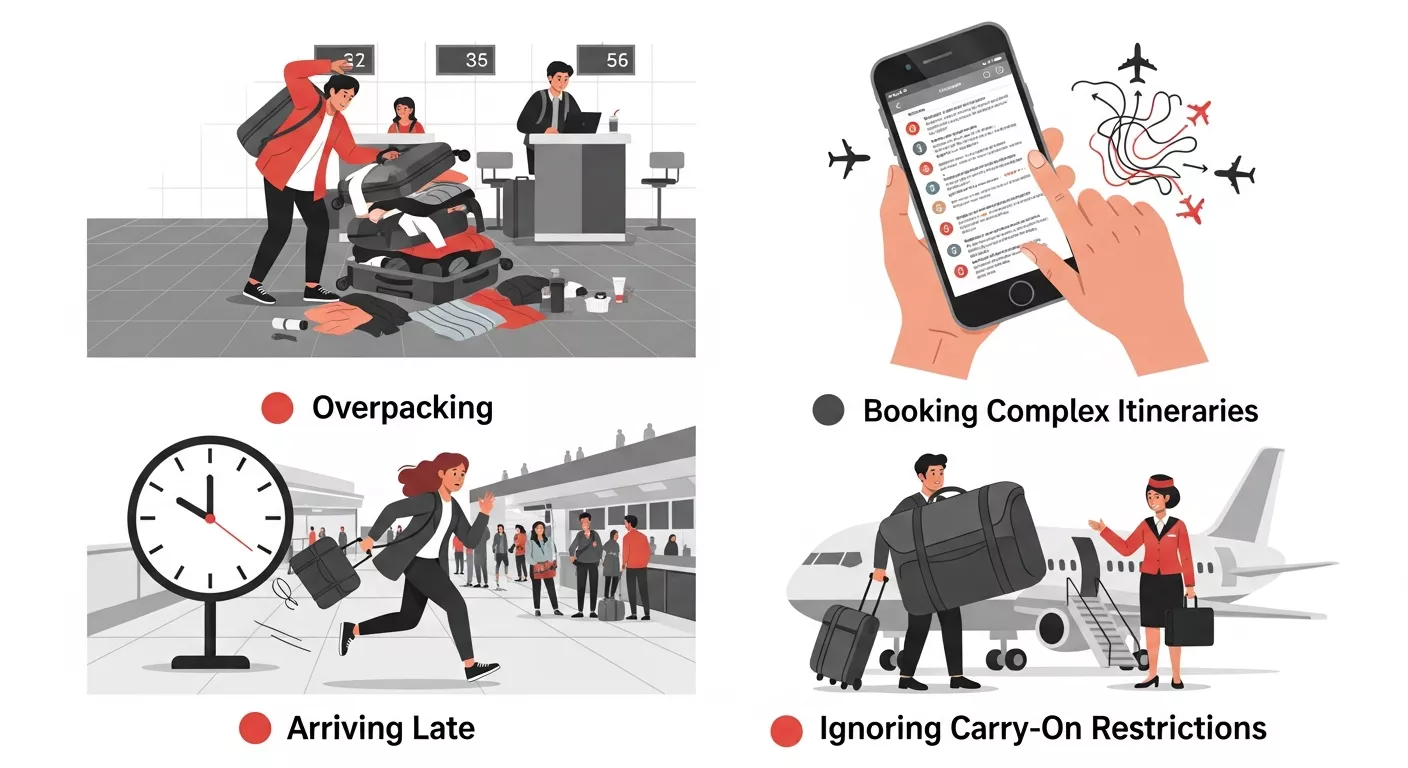 Most flights are safe and routine, but every traveller should know the basics of emergency preparedness.
Pay attention to the safety briefing, even if you have heard it many times before. It explains how to use the seat belt, where exits are located, and what to do if oxygen masks drop or flotation devices are needed. These instructions are important because emergencies are rare, but they can happen quickly.
Keep your bag out of the exit path. In an emergency, every second matters. If you are told to evacuate, leave your belongings behind and follow the crew’s directions immediately. Your life is more important than your luggage.
Stay calm, move quickly, and assist others only if it does not delay your own escape. If you are travelling with children, follow the crew’s instructions and hold their hands if possible. Panic slows people down, while clear thinking helps everyone get to safety.
Be Smart After Landing
Safety does not end when the plane touches the ground. The final part of the journey also requires attention.
Wait until the plane has fully stopped before unbuckling or standing. Gather your belongings carefully and check the seat pocket, floor, and overhead area before leaving. Many lost items happen during the rush to exit the aircraft.
If you have a connection, move steadily but do not rush so much that you become disoriented or leave something behind. Follow airport signs and ask for help if you are unsure where to go.
If you are collecting checked baggage, stay alert in the baggage claim area. Compare bag tags before taking any suitcase. Crowded baggage areas can lead to mix-ups, especially when many passengers have similar luggage.
Once outside the airport, continue to watch your belongings while arranging transportation. Keep your travel documents close until you are fully settled.
Avoid Common Airline Travel Mistakes
Many travel problems happen because of preventable habits.
One common mistake is overpacking. Too many bags can make it hard to move quickly or stay organized. Another mistake is ignoring flight updates. A gate change or delay can happen at any time, and failing to notice it can create unnecessary panic.
Some travellers also forget to charge their devices or download important information before the flight. Keep boarding passes, hotel details, maps, and emergency contacts accessible both online and offline when possible.
Another mistake is assuming every airline and airport follows the same rules. Security procedures, luggage limits, and boarding processes can differ. Checking details ahead of time helps prevent confusion.
Finally, do not ignore how your body feels. If you are hungry, dehydrated, too warm, too cold, or overly tired, address it early. Small discomforts can turn into bigger problems if you ignore them.
A Few Extra Habits That Make a Big Difference
Simple habits often provide the greatest travel safety benefits.
Sleep well before your flight whenever possible. Being rested helps you make better decisions and handle delays more calmly. Eat a balanced meal before travelling so you are not arriving at the airport already exhausted or overly hungry.
Dress comfortably and practically. Clothes that allow movement and layers that adjust to changing cabin temperatures are usually best. Choose shoes that are easy to walk in, especially if you have a connection.
Stay polite and patient with airline staff, airport workers, and fellow passengers. Travel can be stressful for everyone, and a respectful attitude helps create a better environment. Safety and courtesy often go hand in hand.
Final Thoughts
Flying is one of the safest and most efficient ways to travel, but safety improves even more when passengers are prepared. By planning, packing wisely, paying attention to crew instructions, protecting your health, and staying calm during unexpected moments, you can make air travel smoother and more secure.
The best airline travel safety tips are not complicated. They are practical habits: arrive early, stay organized, keep your seat belt fastened, know where the exits are, drink water, protect your belongings, and follow instructions carefully. These small actions help you feel more in control and more comfortable from takeoff to landing.
Travel should be exciting, not overwhelming. When you fly smart, you give yourself the best chance to enjoy the journey and arrive ready for what comes next.
FAQs
1. Why is airline travel considered safe?
Air travel is one of the safest transportation methods due to strict regulations, advanced aircraft technology, and highly trained pilots and crew. Multiple safety systems and routine inspections ensure flights operate securely under most conditions.
2. What should I pack in my carry-on for safety?
Carry essentials like ID, medication, valuables, chargers, snacks, and a change of clothes. Keeping important items with you ensures you’re prepared in case of delays, lost luggage, or emergencies.
3. How early should I arrive at the airport?
Arrive at least 2–3 hours before international flights and 1.5–2 hours before domestic flights. Early arrival reduces stress and allows time for security checks and unexpected delays.
4. Is turbulence dangerous?
Turbulence is usually not dangerous. Aircraft are designed to handle it safely. The biggest risk is injury from not wearing a seatbelt, so always keep it fastened while seated.
5. Why is it important to follow flight crew instructions?
Flight attendants are trained for safety and emergencies. Their instructions are based on real-time conditions, so following them helps ensure your safety and the safety of all passengers.
6. How can I stay healthy during a flight?
Drink plenty of water, move around when possible, sanitize your hands, and rest. These habits help prevent dehydration, stiffness, and exposure to germs during travel.
7. What is the safest seat on a plane?
There is no officially safest seat, but sitting near exits can help in emergencies. Seats over the wings often feel more stable during turbulence.
8. What should I do in an in-flight emergency?
Stay calm, listen carefully to crew instructions, leave belongings behind, and move quickly to exits if instructed. Knowing safety procedures in advance helps you react effectively.
9. How can I protect my valuables while flying?
Keep valuables in a personal bag under your seat, not in overhead bins. Always zip your bag and keep it close, especially during boarding and landing.
10. What are common mistakes travellers should avoid?
Avoid overpacking, arriving late, ignoring flight updates, and neglecting personal comfort. These mistakes can increase stress and create unnecessary risks during travel.
