



Introduction
Flying can be exhilarating yet daunting, especially in today’s fast-paced environment. Whether you’re a frequent flyer or embarking on your first journey, having a reliable set of air travel tips can transform any trip into a comfortable and stress-free adventure. In this comprehensive guide, we’ll explore essential strategies—from planning and booking to packing and navigating airports—designed to help you move through each stage with confidence. This year (2026), advances in technology and evolving airline policies create new opportunities and challenges for passengers. By understanding industry best practices and insider recommendations, you’ll be better prepared to tackle unexpected disruptions and maximize the enjoyment of your flight. From leveraging fare alerts to choosing the optimal seat and packing like a pro, each recommendation is backed by insights from industry experts and government resources. By applying these suggestions, you can reduce transit anxiety, avoid hidden fees, and ensure your belongings travel safely with you. Whether navigating major hubs or regional terminals, these proven air travel tips will keep you informed and ready for whatever lies ahead. Let’s embark on this journey together, starting with the crucial step of plotting your itinerary and securing the best flight deals.
Planning Your Journey
Effective planning lays the groundwork for a seamless flight experience. Begin by identifying travel windows that align with your schedule and budget. Use multi-platform search engines and sign up for fare alert notifications to stay informed about promotional rates and seat sales. Opt for services that allow flexible-date queries, enabling you to compare prices across a range of departure and return options. When weighing direct routes against itineraries with layovers, consider the tradeoff between cost savings and time investment. A shorter overall journey may command a premium, but can significantly reduce stress. Conversely, multi-stop flights often come with lower fares, yet introduce complexities such as baggage transfers and tighter connection windows.
Researching Flight Options
Start by investigating carrier performance metrics, including on-time statistics, baggage handling records, and customer satisfaction scores provided by industry associations like the IATA and government bodies. Reading recent traveler reviews offers real-world insights into service quality. For international trips, verify entry requirements, health advisories, and visa protocols through official sources such as the U.S. Department of Transportation or foreign consulate websites. Loyalty programs and credit card partnerships can unlock perks—upgraded seats, lounge access, and priority boarding—turning routine segments into premium experiences without breaking the bank.
Balancing Cost and Convenience
When booking, factor in ancillary expenses like baggage fees, seat selection charges, and in-flight meal costs, which can rapidly inflate the base fare. Consider booking red-eye departures to save on hotel nights and daylight commuting, but be mindful of potential disruptions to your body clock. Daytime slots generally have higher price tags but deliver greater reliability. Evaluate aircraft age and model; newer jets often feature improved cabin pressure, humidity control, and modern amenities. Finally, map out ground logistics: calculate the time needed to reach major airports given current traffic patterns or public transit schedules. Arriving well in advance helps you avoid rushing through check-in and security, setting a calm tone for the rest of your journey.
Utilize airline mobile applications and third-party tools to monitor seat availability and potential fare reductions after purchase. Some carriers allow you to rebook or apply credits if prices drop post-booking. For multi-destination itineraries, consider open-jaw tickets—flying into one city and out of another—to minimize backtracking and maximize exploration. Group flights strategically, combining short-haul segments on budget carriers while reserving long-haul portions on full-service airlines for added comfort.
In today’s digital landscape, harness artificial intelligence-powered assistants or chatbots for instant responses to schedule changes and travel advisories. Many platforms now offer predictive analytics indicating when prices are likely to rise or fall, enabling you to lock in favorable rates. Keeping your itinerary synchronized across devices, calendars, and shared travel documents ensures everyone in your party is on the same page, reducing coordination mishaps. By layering these air travel tips into your planning phase, you’ll build a robust framework that handles both the anticipated and the unforeseen.
Smart Packing Strategies
Luggage Selection
Choosing the right baggage can transform a hectic transit into a smooth passage. Start with a lightweight, maneuverable carry-on—ideally one with multi-directional spinner wheels and a sturdy telescoping handle. Confirm size and weight restrictions on your selected airlines to avoid last-minute check-in fees. Hard-shell designs provide enhanced protection for fragile items, while soft-sided options often include expandable compartments. For checked luggage, look for integrated TSA-approved locks and reinforced corners to endure rough handling. Adding a distinctive tag or colorful strap helps you quickly identify your case on crowded carousels, reducing wait times and potential mix-ups.
Packing Essentials
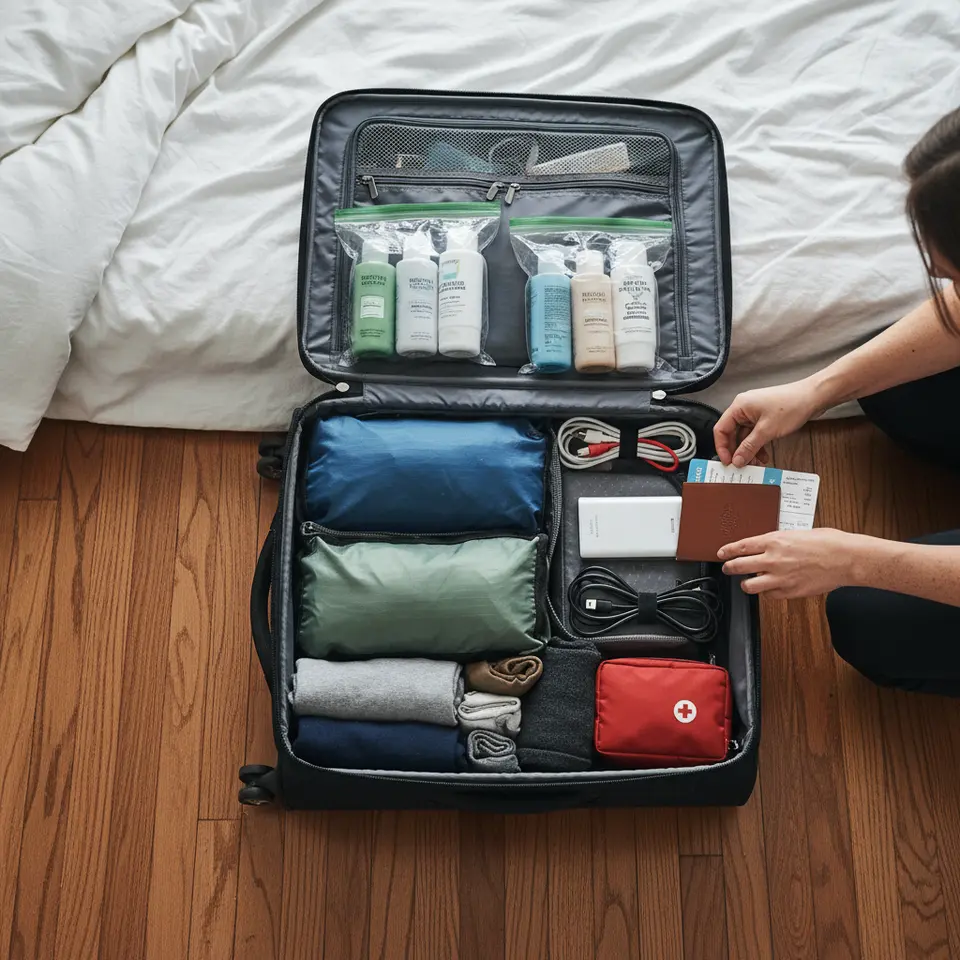
Creating a systematic packing routine maximizes space and minimizes stress. Begin with a master checklist that includes crucial items such as travel documents, prescription medications, charging cables, and a spare change of clothing. Use compression packing cubes to flatten garments and compartmentalize accessories. Rolling clothes instead of folding can yield additional inches of capacity and reduce creasing. Transfer liquids and gels into clear, quart-sized zip-top bags to comply with security regulations and streamline checkpoint screening. Remember to tuck basic toiletries—hand sanitizer, facial wipes, and sunscreen—into an easily accessible pocket for quick retrieval.
For health-sensitive travelers, consult resources like the CDC to verify vaccination requirements and packing recommendations related to specific regions. Include a compact first-aid kit equipped with bandages, antiseptic wipes, and over-the-counter remedies for headaches or stomach upsets. If you have dietary restrictions, pre-pack non-perishable snacks such as protein bars, nuts, or dried fruits to bridge gaps between airline meal services. Place electronic devices and travel documents in an external compartment to expedite security checks. By investing time into smart packing strategies, you’ll streamline each checkpoint and have peace of mind knowing essentials are within arm’s reach during your journey.
Aside from your primary bag, consider bringing a personal item—such as a backpack or tote—that sits under the seat. This secondary carrier can house valuables, snacks, travel documents, and entertainment devices. Dress in layers to adapt to fluctuating cabin temperatures. A lightweight scarf or packable jacket can double as a pillow or blanket on overnight segments. Don’t forget to include a universal power adapter if traveling internationally; some airports and lounges provide charging stations, but having a personal adapter ensures you can replenish devices anywhere. Lastly, pack a portable battery bank that meets airline regulations—ideally under 100Wh—to keep phones, tablets, and wearable tech powered throughout long layovers. Integrating these additional air travel tips refines your packing process, making transitions between regions and airline carriers more predictable and comfortable.
Mastering Airport Navigation
Arriving Ahead of Time
Timing your arrival at the airport is a pivotal step in avoiding needless stress. For domestic routes, plan to arrive at least two hours before departure; for international flights, allocate a minimum of three hours. Factor in potential traffic congestion, parking shuttle transfers, and terminal transfers in multi-airport cities. If you rely on rideshare or shuttle services, book an early time slot to circumvent peak-hour surcharges. Upon arrival, consult the digital flight display boards or your airline’s app to confirm gate assignments and potential last-minute changes. Early check-in options, available at self-service kiosks or online, allow you to print boarding passes and identify oversized luggage constraints conveniently.
Streamlining Security
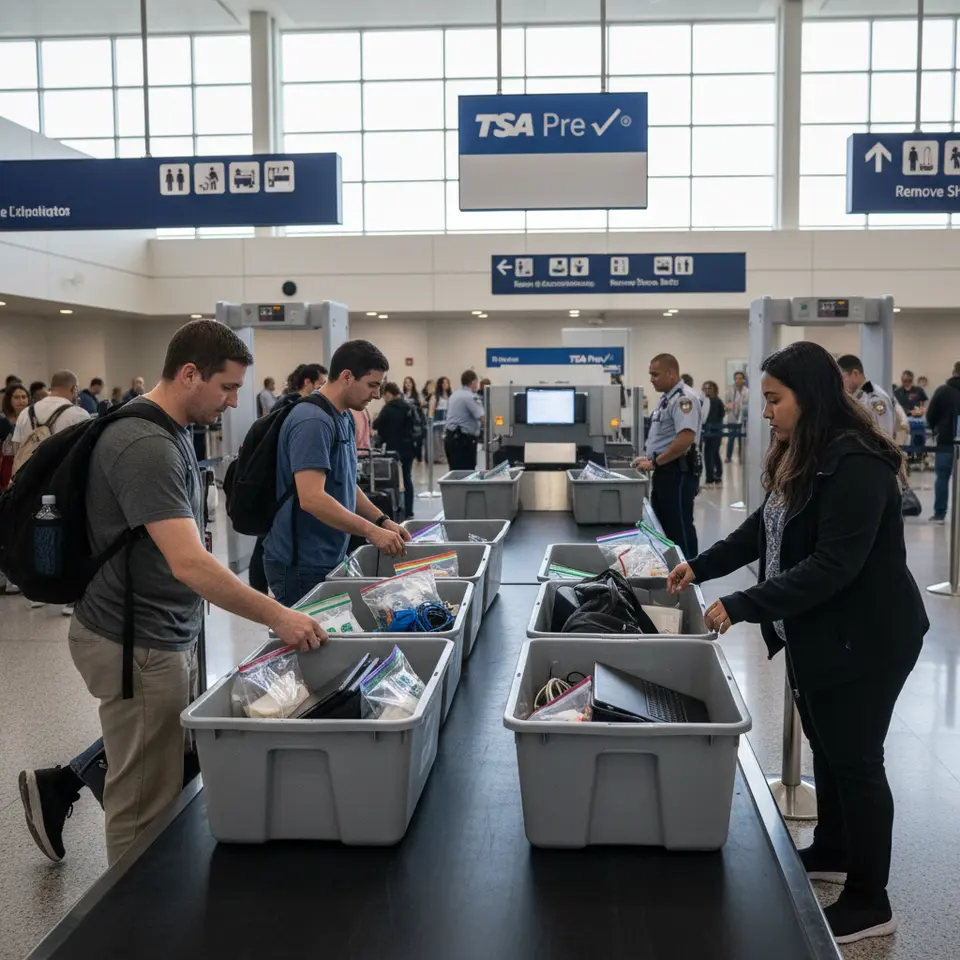
Clearing security efficiently hinges on strategic preparation. Wear slip-on shoes and avoid accessories like belts or heavy jewelry that require removal. Organize liquids, electronics, and laptops in separate bins to expedite X-ray screening. Enrolling in expedited traveler programs, such as TSA PreCheck or Global Entry, grants access to priority lanes and often allows passengers to keep shoes and light jackets on. During peak hours, airport traffic fluctuates; monitor checkpoint wait times via official channels like the FAA app or airport websites. Always have your government-issued ID and boarding pass readily accessible to facilitate swift agent checks.
Lounge Perks and Amenities
Transform layovers into productive or relaxing interludes by accessing airport lounges. Many lounges provide complimentary refreshments, high-speed Wi-Fi, quiet workspaces, and shower facilities—amenities that can be invaluable during extended waits. Business-class tickets or elite loyalty status often include lounge entry; otherwise, consider day passes or credit cards that offer this privilege. Some premium lounges even feature spa services, private sleeping pods, and conference rooms for those needing dedicated workspace. Keep an eye out for partnerships between airlines and independent lounge networks, allowing access across diverse terminals, no matter which carrier you’re flying.
In sprawling airports, wayfinding can be challenging. Download terminal maps in advance or use interactive airport navigation apps that offer step-by-step directions to gates, lounges, and ground transportation. Many modern terminals now feature digital guides or QR codes that update in real time, directing passengers to the nearest amenities and showing queue lengths for security and customs. For travelers with mobility needs or families with small children, inquire about curbside check-in or meet-and-assist services when booking your ticket. These options, arranged through your airline or airport support desk, can include wheelchair assistance, priority boarding, and verbal guidance, ensuring everyone in your party moves through checkpoints comfortably. By mastering these protocols, you’ll reduce bottlenecks and enjoy a more controlled airport experience.
Enhancing In-Flight Experience
Seat Assignment and Upgrades
Your choice of seat profoundly influences comfort when you’re thousands of feet above the ground. Review detailed seat maps that highlight extra legroom rows, quieter zones, and proximity to lavatories—each option carries distinct advantages and drawbacks. Exit rows often offer generous stretch space, but safety rules may prevent storing personal items at your feet and require the ability to assist during emergencies. Bulkhead areas provide separation from other passengers but sometimes lack under-seat storage. Consider bidding for last-minute upgrade opportunities or using accrued miles to access premium cabins for enhanced recline, superior service, and priority disembarkation.
Health and Hydration
Dry cabin air and prolonged immobility can lead to fatigue, dehydration, and circulation issues. Prioritize frequent water intake—carry a reusable bottle and refill it after security. Minimize diuretics such as coffee and alcohol. Wear compression socks to support blood flow, especially on endurance flights exceeding six hours. Every hour, stand and walk the aisle to prevent stiffness and lower the risk of deep-vein thrombosis. Bring disinfectant wipes to sanitize your tray table, armrests, and entertainment controls; many studies highlight these high-touch zones as germ hotspots in confined aircraft spaces.
Entertainment and Connectivity
Modern airliners often feature seatback screens stocked with movies, games, and music. A pair of noise-cancelling headphones enhances audio clarity and blocks cabin hum. For personalized media libraries, preload e-books, podcasts, and offline playlists to your devices. If onboard Wi-Fi is available, purchase an appropriate data package—this feature can be invaluable for business travelers who require uninterrupted access. Pack a portable charger and cables compatible with in-seat power outlets or USB ports. When possible, log into airline portals via public key infrastructure (PKI) authentication for secure connections; this adds a layer of protection when transmitting sensitive information at altitude.
Meal services vary by class and carrier—review menus online before departure to plan for dietary preferences. Bringing light snacks or ordering special meals ahead of time can help if options are limited. To enhance relaxation, consider packing a compact travel pillow and an eye mask. Some travelers find earplugs or noise-dampening earbuds indispensable for resting during long hauls. Adjust the overhead reading light to minimize glare while reading or working. For bright cabin environments, lightweight travel blankets double as a privacy shield and warmth layer. By combining these air travel tips, you’ll maintain energy levels, arrive at your destination feeling refreshed, and turn what could be a tedious journey into a more pleasant part of your trip.
Handling Disruptions and Special Circumstances
Flight Changes and Passenger Rights
No journey is immune to delays or cancellations. In the event of a schedule change, sign up for real-time notifications via airline apps or SMS alerts to receive immediate updates. If flights are rerouted or significantly delayed, contact the carrier’s customer service promptly to explore rebooking, refunds, or rerouting options. Familiarize yourself with passenger protections stipulated by regulatory bodies—such as EU Regulation 261/2026 in Europe or the Department of Transportation’s guidelines in the U.S. (see the U.S. Department of Transportation). These frameworks may entitle you to meal vouchers, accommodation, or financial compensation depending on the disruption’s duration and cause.
Traveling with Families and Special Assistance
When flying with children, planners should reserve seats early, aiming for bulkhead rows that accommodate bassinets and allow extra legroom. Pack an activity kit with quiet toys and snacks to keep youngsters engaged during taxi, takeoff, and landing phases when electronics must be stowed. For passengers requiring mobility devices or medical equipment, coordinate with the airline at least 48 hours prior to departure. Document all pertinent medical prescriptions and bring physician letters if traveling with oxygen tanks or other specialized apparatus. Many airports and carriers offer curbside check-in and personalized escort services to ease transitions between departure halls, security, and the gate.
Embracing Responsible Travel
Awareness of air travel’s environmental footprint has never been more critical. Offset your carbon emissions by purchasing verified credits or supporting reforestation initiatives through reputable providers. Opt for carriers investing in fuel-efficient fleets or sustainable aviation fuel programs. Streamline your packing by choosing reusable items—metal water bottles, cloth tote bags, and travel utensils—to reduce single-use plastics. Respect local cultures and ecosystems by adhering to leave-no-trace principles, supporting community-led tourism, and following guidelines for wildlife encounters. In doing so, you contribute to the preservation of destinations for future generations.
Consider purchasing comprehensive travel insurance that covers trip interruptions, medical emergencies, and lost belongings. Review policy terms carefully to understand coverage limits and claim procedures. Certain premium credit cards provide additional protections such as trip delay reimbursement and baggage delay insurance—be sure to charge your tickets to those cards to trigger benefits. In scenarios where rebooking via official channels is challenging, social media outreach to airline support handles can sometimes accelerate resolution.
Engage with fellow passengers and airline staff politely; maintaining a respectful tone can lead to more flexible solutions, such as being placed on standby for earlier flights or securing complimentary meal vouchers during long waits. Keep copies of all communication and receipts to support reimbursement claims later. By integrating insurance safeguards, respectful communication, and a proactive mindset, you’ll be equipped to navigate even the most trying travel disruptions with resilience.
Conclusion
Traveling by air offers unparalleled access to global destinations, yet it can also introduce complexities that challenge even seasoned flyers. By embedding these air travel tips into each stage of your trip—meticulous itinerary planning, efficient packing techniques, expert airport navigation, and thoughtful in-flight routines—you’ll transform potential pitfalls into manageable tasks. Incorporating third-party apps, loyalty perks, and regulatory insights empowers you to maintain control, even when faced with unexpected delays. Equally, adopting responsible travel practices helps minimize environmental impacts, ensuring that future generations can explore the world responsibly. With a proactive mindset, clear communication, and the right resources at your fingertips, you can navigate airports seamlessly, maximize comfort at altitude, and handle disruptions with grace. As you prepare for your next adventure, remember that careful preparation and adaptability are your strongest allies. Embrace these strategies today to unlock stress-free, confident, and sustainable journeys in this year (2026) and beyond. Safe travels!
Whether you’re jetting off on a quick business trip or embarking on an extended vacation, the principles outlined here remain relevant in today’s digital landscape. Keeping digital and physical copies of essential documents, sharing your itinerary with trusted contacts, and staying informed through reliable channels ensures you won’t be caught off guard. Ultimately, flight time can become a period of productivity, rest, or reflection—your choice. By putting these comprehensive air travel tips into practice, you’ll not only streamline your individual journeys but also foster a more positive and enriching travel culture around you.
